
An unexpected disruption can affect a household in minutes. A power outage, severe weather event, road closure, medical emergency or temporary disruption at the U.S.-Mexico border can make it difficult for family members to reach one another. For households in San Ysidro, where many residents travel between communities, commute for work or school, or have relatives across the border, having a clear emergency communication plan can make a stressful situation easier to manage.
A household emergency contact plan is more than a list of phone numbers. It explains whom family members should contact, where they should meet, how they can share important updates and what to do if normal communication methods stop working. Preparing these details in advance helps children, older adults and other household members respond with greater confidence.
The best plan is simple, practical and easy to access. Here is how San Ysidro families can create one that works during unexpected disruptions.
Planning
Start by discussing the situations that could affect your household. Not every emergency requires the same response, so consider the disruptions most relevant to your family’s daily routine.
San Ysidro households may need to prepare for:
- Power outages that affect lighting, phone charging and home internet.
- Severe weather, flooding or other local hazards.
- Road closures and traffic disruptions that delay school pickups or commutes.
- Medical emergencies requiring quick contact with relatives or emergency services.
- Border crossing delays that make it difficult for family members to return home as expected.
- Temporary mobile network or internet interruptions.
- Evacuation instructions or disruptions that affect access to familiar locations.
Think about everyone’s daily schedule. A parent might work outside the neighbourhood, a child may attend school nearby, and another family member could regularly travel into Tijuana. These different routines can make it harder to coordinate during an emergency.
Write down the most likely situations and decide how the household should respond to each one. The aim is not to predict every possible problem. It is to remove uncertainty about the first steps.
Contacts
Create a central list of important phone numbers and contact details. Every household member who can use a phone should know where to find it.
Include the following contacts:
| Contact | Information to record |
|---|---|
| Household members | Full names and mobile numbers |
| Parents or guardians | Primary and alternate numbers |
| Nearby relatives | Names, addresses and phone numbers |
| Trusted neighbours | Contact details and availability |
| School or childcare | Main office and emergency contact numbers |
| Workplace | Supervisor or relevant emergency contact |
| Healthcare providers | Doctor, clinic and pharmacy details |
| Emergency services | 911 for emergencies in the United States |
| Out-of-area contact | A relative or friend who can coordinate updates |
Choose one person outside the immediate household to serve as an emergency communication contact. This could be a trusted relative living elsewhere in the United States or a family friend who is unlikely to be affected by the same local disruption.
During a widespread emergency, local phone lines may become congested. Family members may find it easier to send a text message to one person who can pass information between everyone.
Make sure the contact list includes area codes and international dialing details where needed. If relatives live in Mexico, confirm that their numbers are saved in a format that can be dialled from each household member’s phone.
Communication
Decide how family members will communicate if they cannot meet in person.
A useful plan should have more than one communication method. Mobile calls may not work during a network disruption, while text messages may still get through. Internet messaging applications can also help, but they depend on an available connection and charged devices.
Set a clear communication order:
- Try calling the household’s primary contact.
- If the call does not connect, send a short text message.
- Contact the designated out-of-area person.
- Share your location and whether you are safe.
- Follow official emergency instructions rather than relying on unverified messages.
Agree on a simple message format. For example, family members can send their name, current location, safety status and next action.
A message might read: “Maria – safe at school – staying with staff – will update when possible.”
This gives relatives useful information without requiring a long conversation.
Avoid repeatedly calling every family member if the network is overloaded. One agreed contact point can reduce confusion and unnecessary phone traffic.
Meeting
Choose two or three meeting places before an emergency happens. Families should not assume everyone will be able to return home immediately.
A practical plan can include:
Home meeting point: A safe location close to the house where family members can gather if they are separated nearby.
Neighbourhood meeting point: A familiar public location outside the immediate home area, provided it is safe and accessible.
Out-of-area meeting point: A trusted relative’s home or another agreed location farther away, useful when the neighbourhood is inaccessible.
For each location, record the full address, directions and a backup option. Make sure children know the names of the locations and how to recognise them.
Do not choose a meeting place simply because it is familiar. It should be outside the likely hazard area and should not block emergency responders. If authorities issue evacuation instructions, follow their directions instead of travelling to a preselected location.
Families should also decide what happens if a planned meeting place becomes unsafe or inaccessible. A backup location prevents everyone from making separate guesses.
Schools
School communication deserves special attention, particularly for families with younger children.
Parents and guardians should confirm that the school has current emergency contact information. Check that authorised pickup lists are accurate and that the school knows who may collect each child if the usual parent or guardian is unavailable.
Discuss these points with the school:
- Which adults are authorised to collect the child?
- How does the school notify families during an emergency?
- Where are children kept if normal dismissal is delayed?
- What identification is required for emergency pickup?
- How does the school handle a temporary closure or evacuation?
Children should know that they must follow instructions from school staff and should not leave with an unfamiliar person. Teach them to memorise at least one parent’s phone number if they are old enough.
If a child has a medical condition, disability or communication need, make sure the school has the relevant information and understands any additional support required.
Border
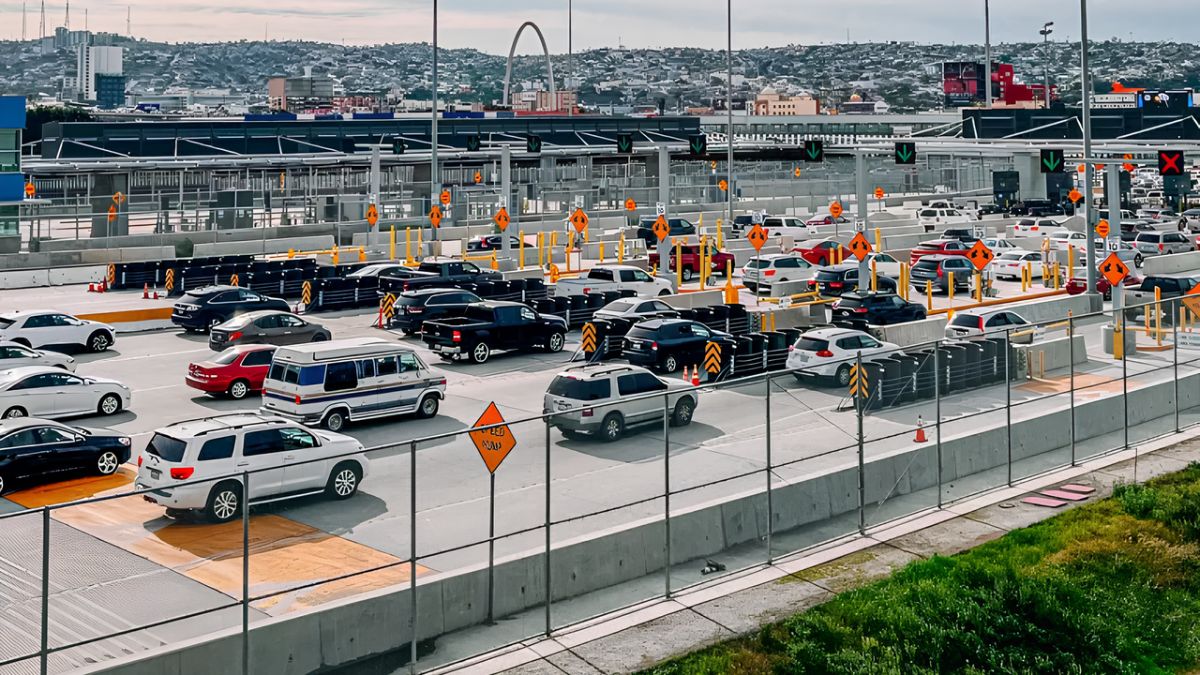
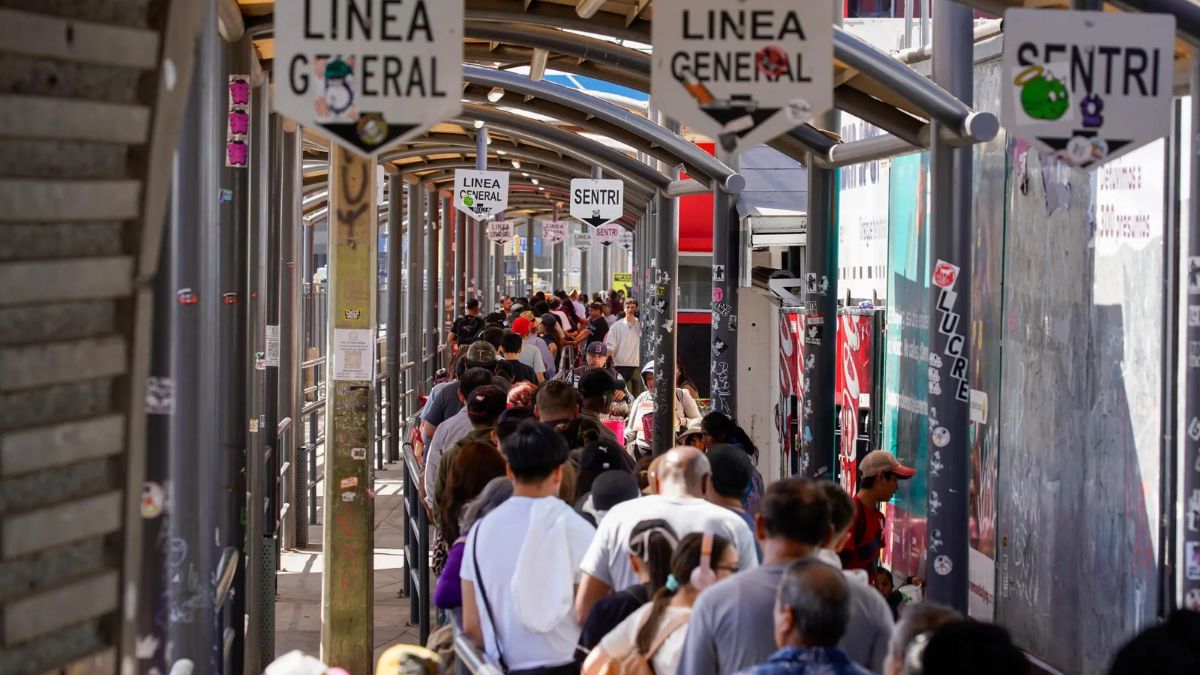
San Ysidro’s location makes cross-border communication an important part of household planning. Some families have relatives in Tijuana, while others regularly cross the border for work, school, appointments or family responsibilities.
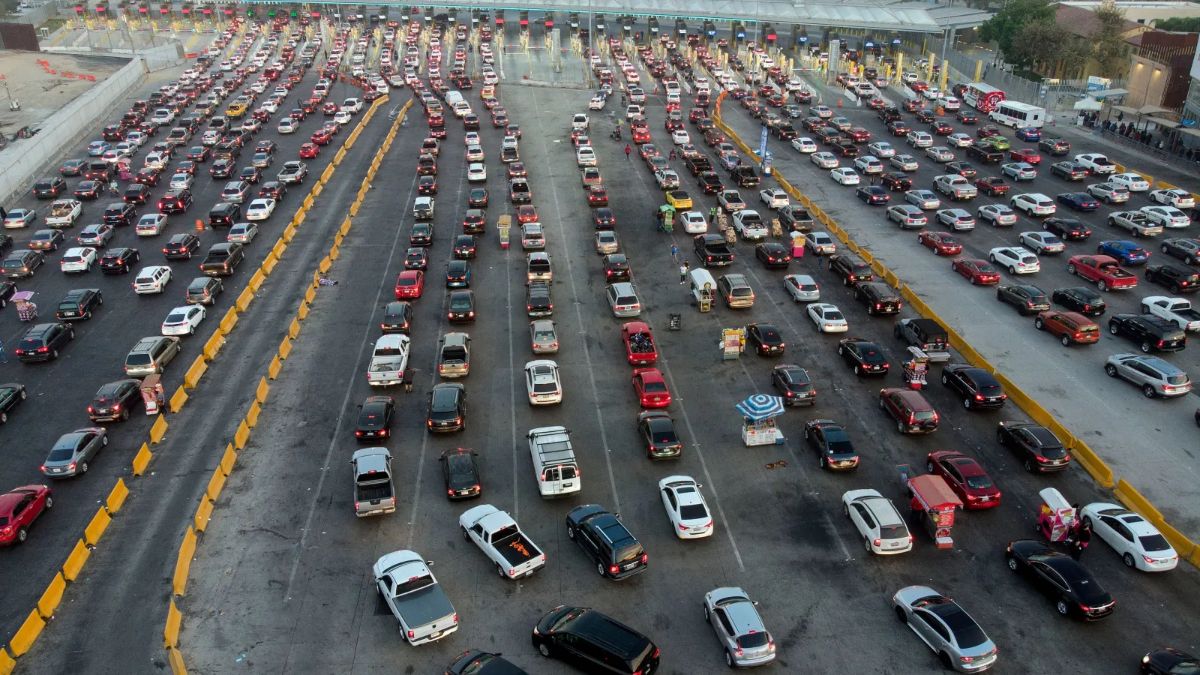
A disruption can make return journeys unpredictable. Traffic, inspection delays, road closures and changes to crossing operations may affect travel plans.
Families should agree on how to communicate when someone is delayed. For example, a person crossing the border can send a message before starting the journey and another update if the expected arrival time changes.
Include these details in the plan:
- Full names and phone numbers of family members who travel across the border.
- A trusted contact in both the United States and Mexico.
- Agreed procedures for reporting delays.
- Backup arrangements for school pickups or childcare.
- Important addresses on both sides of the border.
- A method of communication that does not depend on one messaging application.
Do not assume that everyone can cross the border during an emergency or that a particular crossing will remain available. Follow official instructions and check current information from relevant authorities before travelling.
Families should also avoid sharing sensitive personal information or exact travel details publicly on social media.
Documents
Important documents can become difficult to access during an evacuation or extended disruption. Keep copies of essential information in a secure location.
Consider including:
- Identification documents and copies of important records.
- Health insurance information.
- Medication lists and allergy details.
- Emergency medical contacts.
- School and childcare information.
- Insurance policy details.
- Important household addresses.
- Information about pets and their care.
Store digital copies in a secure account that household members can access if necessary. Protect sensitive files with strong passwords and avoid sending identity documents through unsecured public channels.
Keep a small printed contact sheet with the household emergency supplies. A paper copy is useful if phones lose power or internet access becomes unavailable.
Special Needs
A useful emergency plan must account for everyone in the household. Older adults, young children, people with disabilities and individuals with ongoing medical needs may require additional support.
For someone who depends on prescription medication, record the medication name, dosage, prescribing provider and pharmacy contact details. Keep an appropriate supply where possible, following medical advice and storage requirements.
Families with infants should include feeding supplies, nappies, wipes and any necessary formula or specialised products. Households with pets should record veterinary contact information, vaccination details and suitable transport arrangements.
If a family member has hearing, vision or mobility limitations, identify how emergency alerts and evacuation instructions will reach them. Consider whether they need a designated helper or accessible transportation.
Discuss these arrangements with the people involved rather than assuming what support they may need.
Backup
A contact plan should continue working when electricity, mobile service or home internet is unavailable.
Prepare a few basic alternatives:
- Keep a portable power bank charged.
- Store a battery-powered or hand-crank radio.
- Keep printed emergency contacts in an accessible place.
- Save important addresses offline on mobile devices.
- Agree on a backup meeting location.
- Keep a small supply of water, food and essential medicines.
- Make sure household members know how to contact emergency services.
For emergencies in San Ysidro and elsewhere in the United States, call 911 when immediate police, fire or medical assistance is needed. Do not delay an emergency call while trying to contact relatives first.
Families can also sign up for relevant local emergency notifications. San Diego County and the City of San Diego provide emergency information and alerts through official channels. Check the services available for your address and make sure notifications are enabled where appropriate.
Practice
Even a well-written plan can fail if nobody remembers it. Set aside time to review the contact list and practise what each person should do.
A short household exercise can reveal problems before a real emergency occurs. For example, imagine that a parent is delayed at work, a child is at school and the mobile network is temporarily unavailable. Ask each person how they would get information and where they would go.
Check the following regularly:
- Are all phone numbers current?
- Do children know the emergency contact?
- Are school pickup permissions up to date?
- Does everyone know the meeting locations?
- Are printed copies easy to find?
- Do power banks and radios work?
- Have medical and accessibility needs changed?
Review the plan after a household move, a change of school, a new job or a change in family circumstances. A quick review every six months is a practical starting point.
Resources
Families can use official sources to find local alerts, emergency guidance and preparedness information.
- City of San Diego Emergency Information – Local emergency information and preparedness resources.
- San Diego County Emergency – Emergency alerts and information for residents in the county.
- Ready.gov – Federal guidance on creating a household emergency communication plan.
A reliable emergency contact plan gives San Ysidro families a practical way to stay connected when everyday routines are interrupted. By keeping important numbers accessible, choosing meeting places, preparing for cross-border delays and making arrangements for children and relatives who need extra support, households can reduce confusion during stressful situations. The most effective plan is not necessarily the longest. It is the one every family member understands, can access and knows how to use.
FAQs
What is a household emergency contact plan?
It lists key contacts, meeting places and communication steps.
Who should be an emergency contact?
Choose trusted relatives, neighbours and an out-of-area contact.
Why choose an out-of-area contact?
They can help share updates if local phone networks are disrupted.
How often should families update the plan?
Review it every six months and after major household changes.
What number should families call in an emergency?
Call 911 for immediate police, fire or medical assistance in the US.