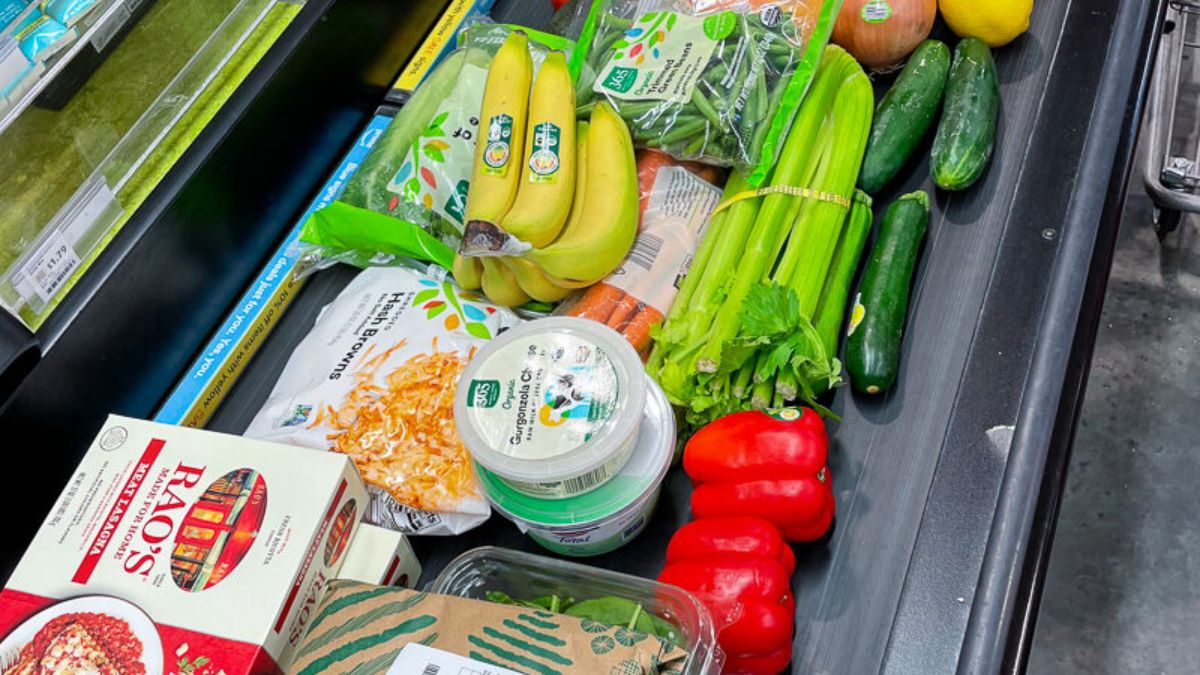
Bringing groceries home is only half the job. What happens after you leave the supermarket can make a significant difference to food quality, freshness and safety. Meat, seafood and dairy products are particularly sensitive to temperature changes, so leaving them on the kitchen counter or storing them incorrectly can increase the risk of spoilage and foodborne illness.
A little planning can help shoppers protect their groceries and avoid unnecessary waste. Whether you buy chicken for dinner, fresh fish for the weekend or milk for everyday use, knowing basic refrigeration practices makes it easier to keep food safe. Here is what shoppers should know about transporting, refrigerating and storing these products after grocery shopping.
Timing
Refrigeration should begin as soon as possible after you return home. Perishable foods should not sit at room temperature for extended periods, especially in warm weather.
According to the United States Department of Agriculture (USDA), perishable food should generally be refrigerated within two hours of purchase. If the surrounding temperature is above 90°F (32°C), such as inside a hot vehicle, that window falls to one hour.
This guidance applies to raw meat, poultry, seafood, milk, soft cheese and other foods that require refrigeration. Bacteria can multiply quickly when food remains in the temperature danger zone, which ranges from 40°F to 140°F (4°C to 60°C).
If your shopping trip includes several stops, consider buying refrigerated products last. You can also use an insulated shopping bag with ice packs to help maintain a safe temperature during the journey home.
Avoid leaving groceries in a parked car while completing other errands. Even when outdoor temperatures feel moderate, the inside of a vehicle can become considerably warmer.
Temperature
The refrigerator temperature plays a central role in food safety. Keep your refrigerator at 40°F (4°C) or below, and your freezer at 0°F (-18°C) or below.
Do not rely entirely on the temperature dial or cooling setting. A refrigerator thermometer provides a more accurate reading and helps identify problems before food becomes unsafe.
A few practical habits can support consistent cooling:
- Check refrigerator temperature regularly.
- Avoid overcrowding shelves because cold air needs room to circulate.
- Keep the refrigerator door closed as much as possible.
- Do not place large quantities of hot food directly beside highly perishable groceries.
- Make sure the refrigerator is cooling properly before storing a large grocery load.
Remember that refrigeration slows bacterial growth but does not stop it completely. Food still has a limited storage life, even when kept at the correct temperature.
Meat
Raw meat needs careful handling because its juices can spread bacteria to other foods and kitchen surfaces. Beef, pork, lamb and other raw meat products should remain sealed in their original packaging until you are ready to prepare them, unless the packaging is damaged or leaking.
Place raw meat on the lowest refrigerator shelf. This reduces the chance of juices dripping onto vegetables, cooked food or other ready-to-eat products.
If the packaging is leaking, transfer the meat to a clean, leakproof container or place it inside a sealed bag. Clean any surfaces that come into contact with raw meat juices.
For refrigerator storage, USDA guidance generally recommends:
| Meat product | Recommended refrigerator storage |
|---|---|
| Raw ground meat | 1-2 days |
| Raw poultry | 1-2 days |
| Steaks, chops and roasts | 3-5 days |
| Cooked meat leftovers | 3-4 days |
These timeframes assume refrigeration at 40°F (4°C) or below. If you do not plan to cook meat within the recommended period, freezing it is usually a better option.
Use airtight freezer-safe packaging to protect meat from freezer burn. Label each package with the product name and freezing date so you can identify older items easily.
Never assume meat is safe simply because it looks or smells normal. Harmful bacteria may be present without obvious changes in appearance or odour.
Seafood
Seafood is especially perishable, making prompt refrigeration important. Fresh fish, shrimp, crab and other seafood should be kept cold from the moment of purchase.
If possible, buy seafood near the end of your shopping trip. Place it in an insulated bag for the journey home, particularly if you have a long commute.
Once home, refrigerate seafood immediately. Keep it in a covered, leakproof container on the lowest shelf. If you are storing fresh fish for a short period, placing the sealed container over ice inside a larger tray can help keep it cold. Make sure melted water does not come into contact with the fish.
Most raw seafood should be cooked within one to two days. If you cannot prepare it during that period, freeze it promptly.
Consider these storage habits:
- Keep raw seafood separate from cooked food.
- Do not rinse raw fish or seafood in the sink, as splashing can spread contamination.
- Use clean utensils and cutting boards.
- Thaw frozen seafood in the refrigerator rather than on the kitchen counter.
- Cook seafood thoroughly and follow safe handling instructions on the packaging.
Seafood that has developed an unusual smell, slimy texture or other signs of spoilage should be discarded. However, the absence of these signs does not guarantee safety.
Dairy
Milk, cream, yoghurt, cheese and other dairy products should be refrigerated promptly after shopping. Although some dairy products last longer than others, they all need suitable storage conditions when labelled as refrigerated foods.
Store milk on an interior refrigerator shelf rather than in the door. The door experiences more temperature changes because it is opened frequently.
Keep yoghurt and cream tightly covered after opening. Follow the storage instructions on the package, as recommended use periods can vary between products and brands.
Cheese storage depends on its type. Hard cheeses generally keep longer than soft cheeses, while fresh cheeses and products such as cottage cheese need more careful refrigeration.
A few simple practices can help:
- Return milk to the refrigerator immediately after pouring.
- Keep dairy containers tightly closed.
- Use clean spoons when serving yoghurt or soft cheese.
- Avoid leaving cheese or cream on the counter for extended periods.
- Check use-by dates and follow instructions for opened packages.
Do not use smell alone to decide whether milk or another dairy product is safe. When a product has been stored improperly or has passed its safe-use period, discarding it is the safer choice.
Separation
Organising the refrigerator correctly helps prevent cross-contamination. Raw meat and seafood should never be stored above ready-to-eat foods, because leaking juices can contaminate items that will not be cooked before eating.
A practical refrigerator arrangement looks like this:
| Refrigerator area | Foods to store |
|---|---|
| Top shelves | Ready-to-eat foods and leftovers |
| Middle shelves | Dairy products and covered prepared foods |
| Bottom shelf | Raw meat, poultry and seafood in leakproof containers |
| Drawers | Fruits and vegetables, stored appropriately |
| Door shelves | Condiments and products suitable for door storage |
This arrangement may need to be adjusted depending on your refrigerator design and manufacturer’s instructions. The main principle is to keep raw animal products below foods that are ready to eat.
Use separate cutting boards for raw meat and fresh produce when possible. Wash knives, boards, plates and work surfaces with hot, soapy water after they have touched raw meat or seafood.
Handwashing is equally important. Wash your hands before and after handling raw animal products, and avoid touching refrigerator handles or other kitchen items with contaminated hands.
Freezing
Freezing is a useful way to extend the storage life of meat, seafood and certain dairy products. However, it works best when food is frozen while it is still fresh and has been handled safely.
Divide large packages into smaller portions before freezing. This makes it easier to defrost only what you need and reduces unnecessary waste.
Use freezer-safe bags or containers, remove excess air where practical and label packages with the freezing date. Keep the freezer at 0°F (-18°C) or below.
Food kept continuously frozen at this temperature remains safe for a long time, although its taste and texture may gradually decline. Recommended freezer storage periods are generally quality guidelines rather than strict safety deadlines.
For thawing, choose one of these safer methods:
- Refrigerator: Place frozen food in a container and allow it to thaw gradually.
- Cold water: Keep food in a sealed, leakproof bag and change the water every 30 minutes.
- Microwave: Use the defrost setting and cook the food immediately afterwards.
Do not thaw meat or seafood on the kitchen counter. The outer surface can become warm enough for bacteria to multiply while the centre remains frozen.
Some dairy products, particularly milk and certain cheeses, can be frozen, but their texture may change. Check product guidance before freezing.
Packaging
Packaging helps protect groceries during transportation and storage, but it does not replace refrigeration. Check packages before leaving the supermarket and again when unpacking at home.
Avoid purchasing meat or seafood with torn, leaking or swollen packaging. Make sure refrigerated products feel cold, and check that frozen products are still properly frozen.
Keep raw meat and seafood in separate shopping bags from bread, fruit and ready-to-eat foods. If juices leak during transport, clean the affected reusable bags before using them again.
Do not reuse disposable packaging that has held raw meat or seafood for storing other foods. If you transfer products into containers, make sure those containers are clean, food-safe and suitable for refrigeration or freezing.
Also pay attention to date labels. A best-before date generally relates to quality, while a use-by date can relate to safety. Follow the wording and storage directions provided by the manufacturer and local food-safety authorities.
Planning
Good food storage begins before you reach the supermarket. Planning your shopping route and meals can help reduce the amount of time perishable products spend outside refrigeration.
Try to follow a few practical steps:
- Prepare a shopping list so you spend less time browsing with refrigerated products in your basket.
- Buy meat, seafood and dairy towards the end of your shopping trip.
- Use insulated bags for longer journeys.
- Unpack refrigerated groceries before storing pantry items.
- Freeze products you will not use within their recommended refrigerator storage period.
- Arrange older products towards the front so they are used first.
It is also useful to check your refrigerator before shopping. Remove expired products, make room for new groceries and confirm that the appliance is maintaining a safe temperature.
For households that shop once or twice a week, dividing meat and seafood into meal-sized portions can make storage easier. It also helps prevent repeated thawing and refreezing.
References
For additional food-safety guidance, shoppers can consult these official resources:
- USDA Food Safety and Inspection Service – Guidance on safe storage, refrigeration and handling of meat and poultry.
- FoodSafety.gov – Refrigerator and freezer storage charts for common foods.
- U.S. Food and Drug Administration – Advice on buying, storing and serving food safely.
Keeping meat, seafood and dairy products safe after grocery shopping does not require complicated equipment or expensive storage solutions. The most important habits are simple: get perishable food into the refrigerator quickly, maintain the correct temperature, prevent raw juices from spreading and follow recommended storage periods. With a little organisation, shoppers can protect their families, maintain food quality and reduce avoidable grocery waste.
FAQs
How soon should meat be refrigerated?
Refrigerate meat within two hours, or one hour in hot conditions.
What temperature should a refrigerator maintain?
Keep your refrigerator at 40°F (4°C) or below.
How long can raw seafood stay refrigerated?
Most raw seafood should be cooked within one to two days.
Where should raw meat be stored?
Place raw meat in a leakproof container on the lowest shelf.
Can frozen meat be thawed on the counter?
No. Thaw meat in the refrigerator, cold water or microwave.