
For many people, the name San Ysidro immediately brings the U.S.-Mexico border crossing to mind. It is one of the most visible parts of this San Diego community, but it is only one piece of a much larger neighborhood.
San Ysidro has residential streets, local businesses, parks, schools, libraries, community facilities, cultural resources, and a history closely connected to its location beside Mexico. Knowing the area means looking beyond the international crossing and seeing how residents use the neighborhood every day.
Location
San Ysidro is located in the southern part of the City of San Diego, directly north of Tijuana, Mexico. Its position makes the community different from many other San Diego neighborhoods because international travel is part of the local landscape.
The border affects transportation, commerce, employment, and daily routines, but San Ysidro is also a residential community with its own neighborhood identity.
The City of San Diego’s official San Ysidro community profile provides useful background on the neighborhood, including its planning context and community characteristics.
History
San Ysidro’s history predates the modern border crossing. The community developed over generations as transportation, agriculture, settlement, and cross-border connections shaped the southern part of the region.
Its location has always mattered. Being close to the international boundary created opportunities for commerce and travel while also making the community sensitive to changes in border policy and infrastructure.
For people interested in the area’s broader history, the San Diego History Center provides historical resources covering the region and its development.
Looking at that history helps explain why San Ysidro has a character that cannot be separated from its geography.
Border
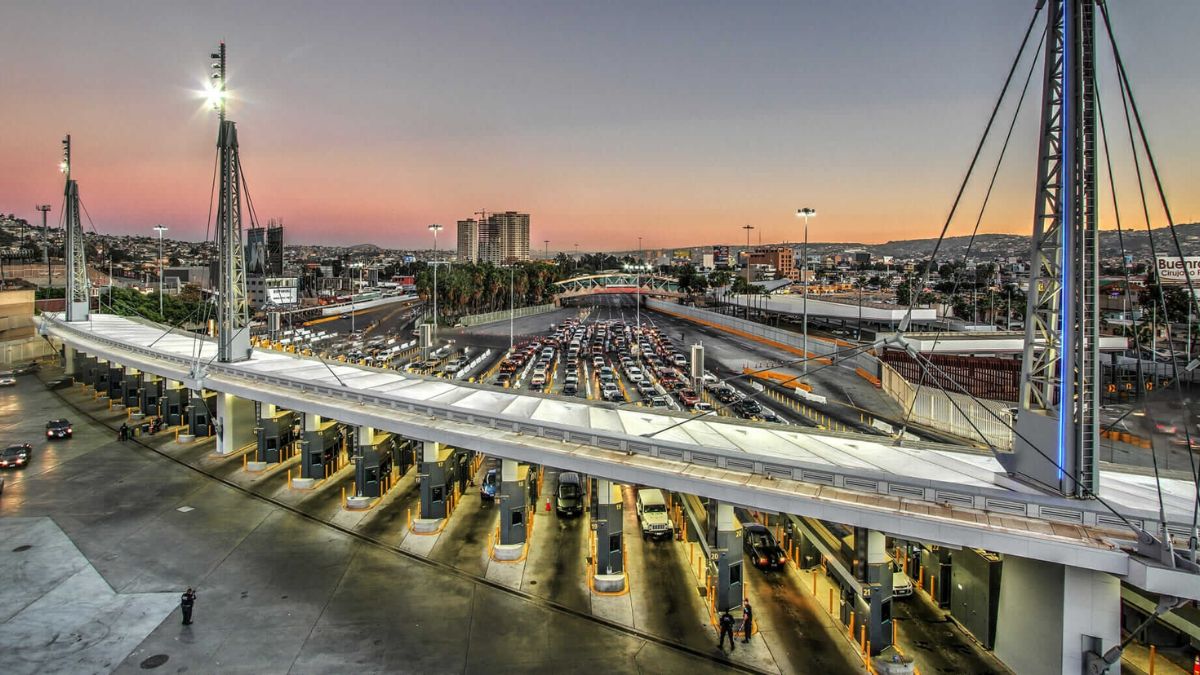
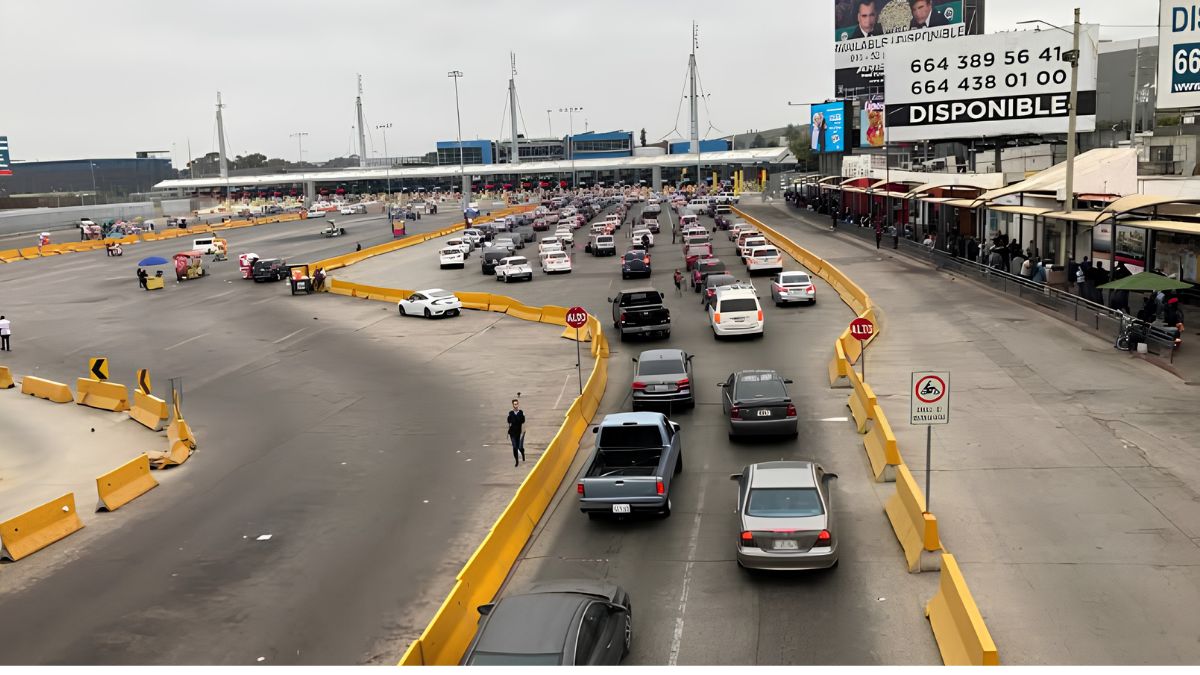
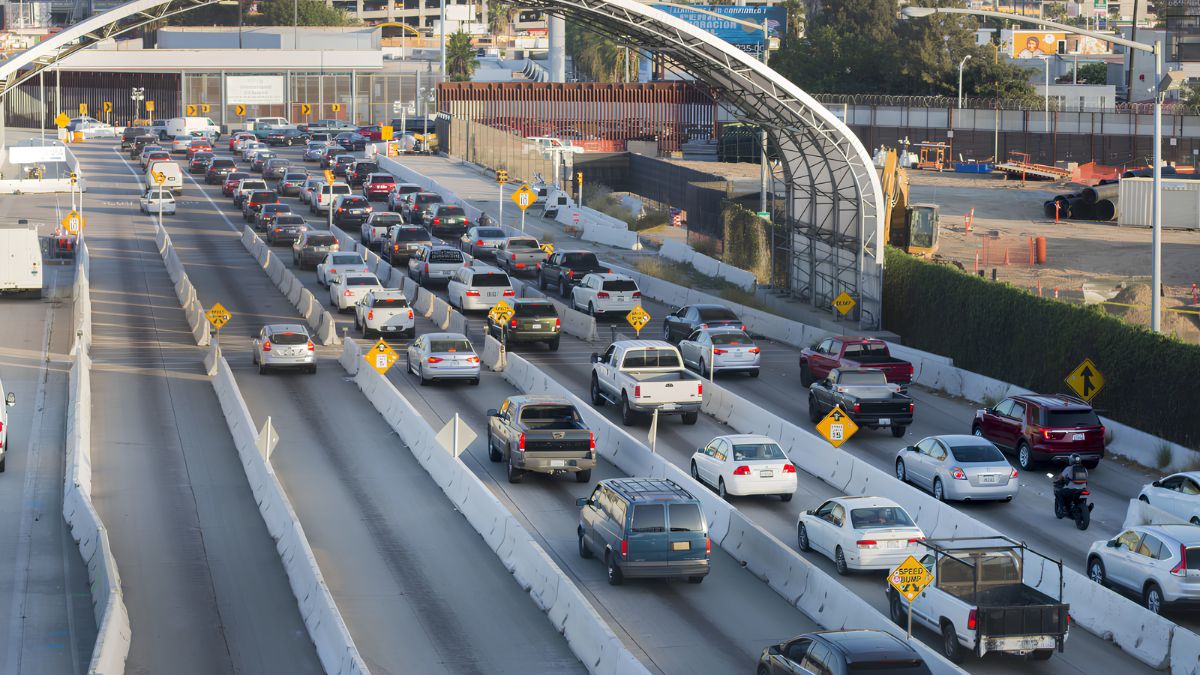
The San Ysidro Port of Entry is an important part of the community, but it should not be confused with the entire neighborhood.
The crossing connects the United States and Mexico and supports a significant amount of international movement. For residents, however, life in San Ysidro also involves ordinary activities such as going to work, attending school, shopping, using public services, visiting parks, and meeting neighbors.
The border is therefore both a major infrastructure system and a local feature that exists alongside everyday community life.
Community
A neighborhood is ultimately defined by the people who live there. San Ysidro includes families, workers, business owners, students, and longtime residents, creating a community with varied experiences.
The area’s cultural connections are particularly visible in local businesses, food, language, celebrations, and family networks.
For someone visiting for the first time, these elements can be easy to miss if the trip focuses entirely on crossing the border.
Language
Spanish and English are both important parts of daily life in San Ysidro. The area’s proximity to Mexico and strong cross-border connections contribute to a bilingual environment in which residents and businesses may use either language or both.
This can be especially noticeable in shops, restaurants, public services, signs, and community communications.
Language is not simply a practical tool here. It is also part of the neighborhood’s cultural character and reflects the relationships that connect San Ysidro with communities on both sides of the border.
Businesses
Local businesses give another view of San Ysidro. Restaurants, markets, shops, service providers, and other small businesses serve residents as well as people traveling through the area.
Some businesses benefit from the neighborhood’s location near the border, while others primarily meet everyday local needs.
For visitors, exploring these businesses can offer a different experience from the commercial areas immediately surrounding the port of entry. It also provides an opportunity to see how local commerce functions beyond international travel.
Food
Food is one of the easiest ways to experience a community. San Ysidro has restaurants, bakeries, markets, and other food businesses reflecting the area’s Mexican-American and border-region influences.
Visitors may find familiar Mexican dishes alongside other cuisines and contemporary food options. Local bakeries and small restaurants can also provide a closer look at everyday food traditions.
The important point is that San Ysidro’s food scene is not simply a product for visitors. Many establishments are neighborhood businesses serving people who live and work nearby.
Parks
Public parks provide another perspective on the community. They offer places for recreation, exercise, children’s activities, informal gatherings, and time outdoors.
Parks matter because they show San Ysidro as a residential neighborhood rather than simply a transportation destination.
Families may use playgrounds, residents may exercise, and community groups can use public spaces for activities. Checking current City of San Diego parks and recreation information is the best way to confirm facilities, hours, and programs.
Library
A public library can function as an important community resource. The San Ysidro Branch Library provides access to books, technology, information resources, and public programming.
Libraries are particularly useful for residents who want free or low-cost educational and cultural activities. They can also serve as quiet places for studying, reading, or using public computers.
For current services, hours, and events, residents should consult the San Diego Public Library.
Transportation
Transportation is central to understanding San Ysidro. The neighborhood’s location means that residents may use local roads, buses, pedestrian routes, and the international crossing as part of their daily routines.
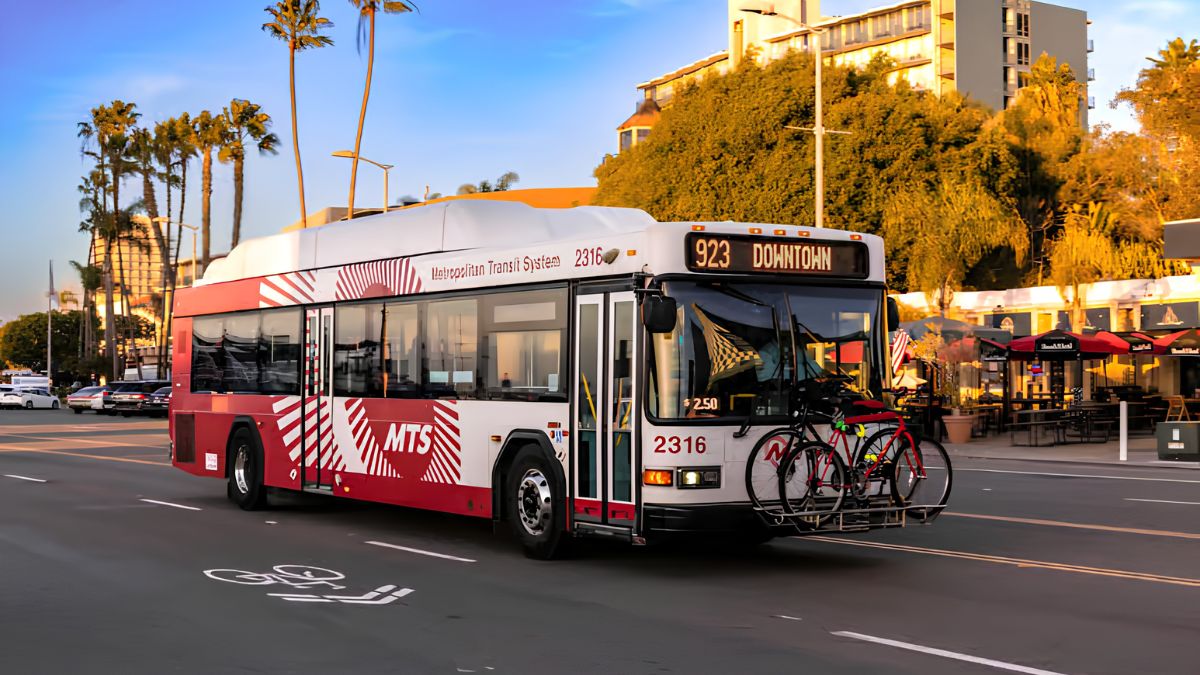
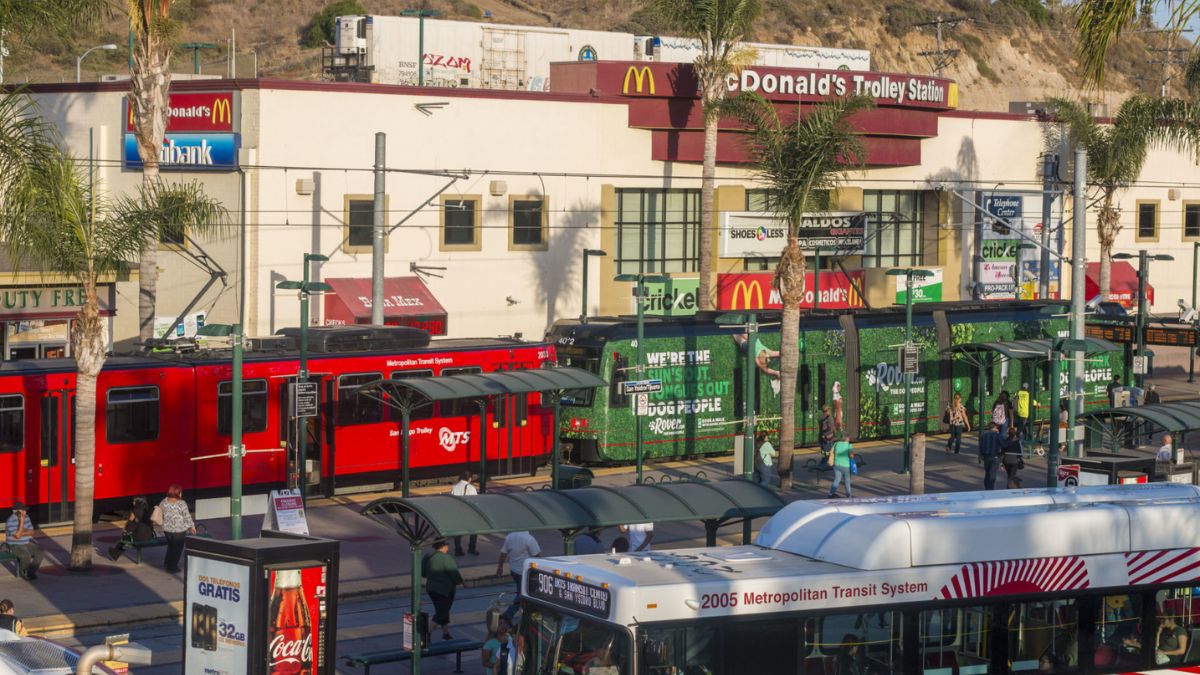
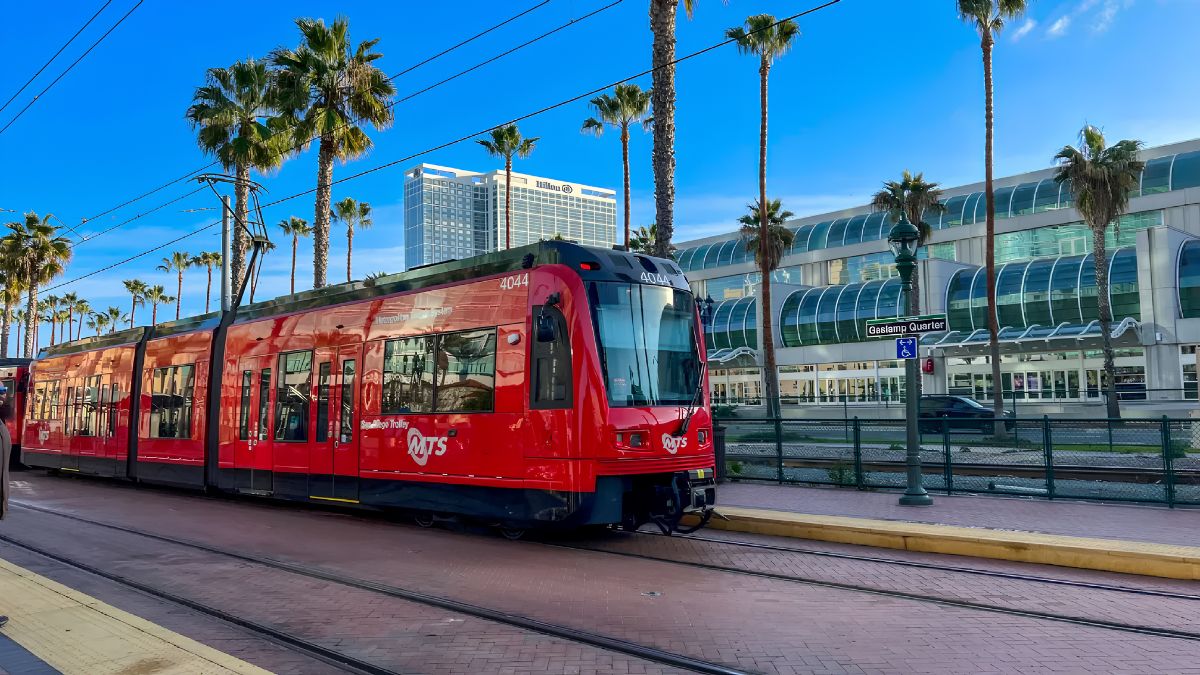
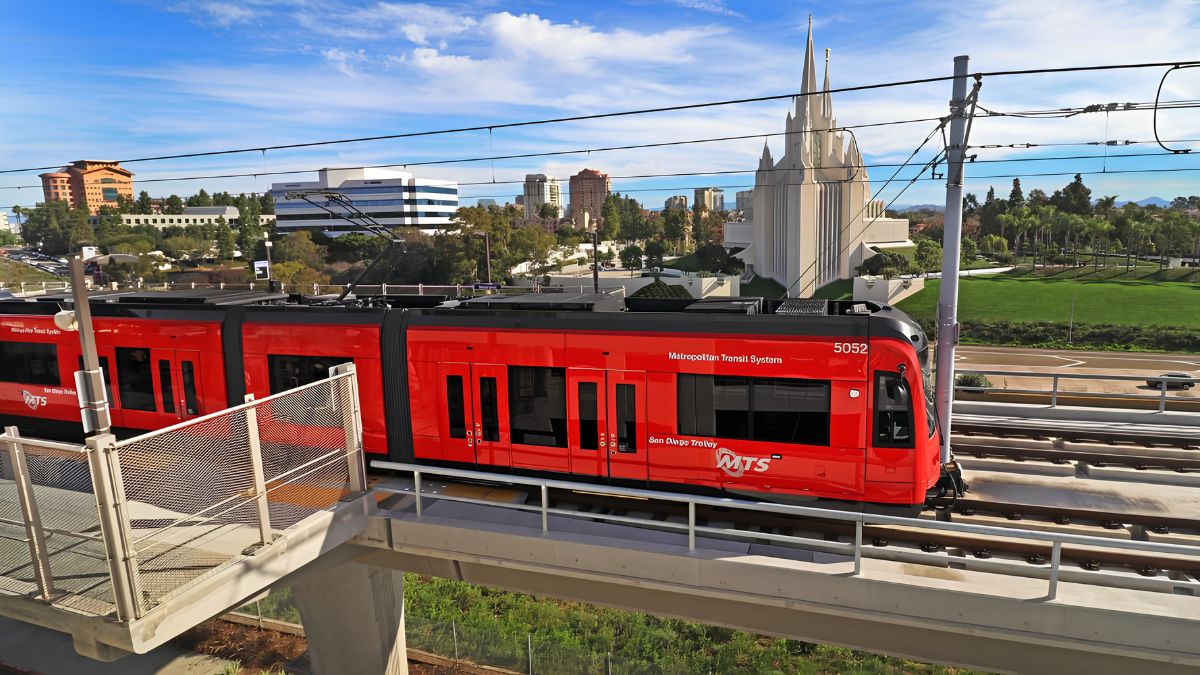
The San Diego Metropolitan Transit System provides bus and trolley services connecting the community with other parts of the region.
The MTS website is the official source for current routes, schedules, fares, and service information.
For visitors, public transportation can be particularly useful because it provides an alternative to driving and can connect the border area with other San Diego destinations.
Housing
San Ysidro is also a place where people live. Residential areas sit alongside commercial corridors and major transportation infrastructure.
Housing conditions, development, affordability, and neighborhood improvements can therefore be important local issues. These subjects are often discussed through city planning and community processes.
Residents interested in proposed development should look at official City planning documents rather than relying only on informal descriptions. Project addresses and case numbers can be especially useful when searching for records.
Schools
Schools form another important part of neighborhood life. Families with children interact with local schools not only for education but also through activities, events, and community connections.
School boundaries and enrollment information can change, so families should check the appropriate school district for current information.
For newcomers, learning which schools serve a particular address can be a practical part of understanding the neighborhood.
Culture
San Ysidro’s culture reflects its position within a larger binational region. Mexican, Mexican-American, and broader Southern California influences appear in food, language, art, family traditions, and local businesses.
Culture can be found in formal events, but it also exists in ordinary places. A bakery, neighborhood restaurant, public park, or family-owned store can tell part of the community’s story.
That everyday character is important because it prevents the neighborhood from being viewed only through the lens of border travel.
Residents
People experience San Ysidro differently depending on where they live, work, and travel. A resident who crosses the border regularly may see the area differently from someone who works locally or rarely visits the port of entry.
This variety is normal in a community with such a distinctive geographic position.
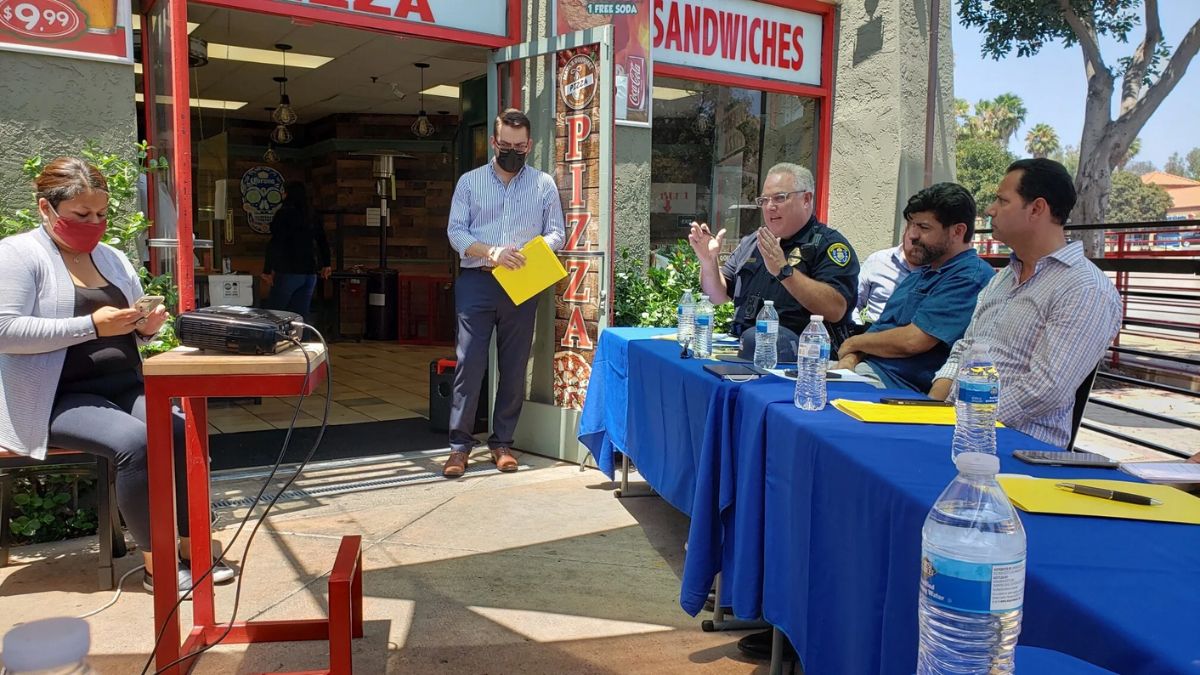
Listening to residents can therefore be just as important as looking at maps or infrastructure. Community meetings, local organizations, libraries, schools, and neighborhood businesses can provide perspectives that official statistics cannot fully capture.
Visitors
Visitors who want to understand San Ysidro should allow time to look beyond the crossing itself.
A simple neighborhood visit might include a local restaurant, public park, library, or small business. Checking public transit options can make it easier to move around without focusing entirely on the border facility.
Visitors should also remember that San Ysidro is a residential community. Normal neighborhood etiquette matters, particularly around homes, schools, and public spaces.
Future
San Ysidro continues to change as transportation needs, housing pressures, commercial activity, infrastructure projects, and border operations evolve.
Some changes are visible immediately, while others take place through planning processes that can extend over several years.
Residents who want to understand the neighborhood’s future can follow City planning documents, public meetings, transportation updates, and community discussions. These sources provide a more complete picture than isolated announcements.
Perspective
The easiest way to misunderstand San Ysidro is to see only the border crossing. The crossing is undeniably important, but it exists within a community that has its own history, residents, businesses, public spaces, and daily routines.
San Ysidro is a neighborhood shaped by its border location without being defined entirely by it. Its local businesses, parks, library, transportation connections, cultural traditions, and residential areas provide a broader picture of life in the community. For anyone hoping to understand the area, looking beyond the crossing is the natural place to begin.
FAQs
What is San Ysidro known for?
It is known for its border location and local community life.
Is San Ysidro only a border area?
No, it also has homes, businesses, parks, schools, and services.
What language is common in San Ysidro?
Both English and Spanish are widely used in the community.
Does San Ysidro have public transit?
Yes, MTS provides bus and trolley connections.
Where can I learn about local history?
The San Diego History Center offers regional historical resources.