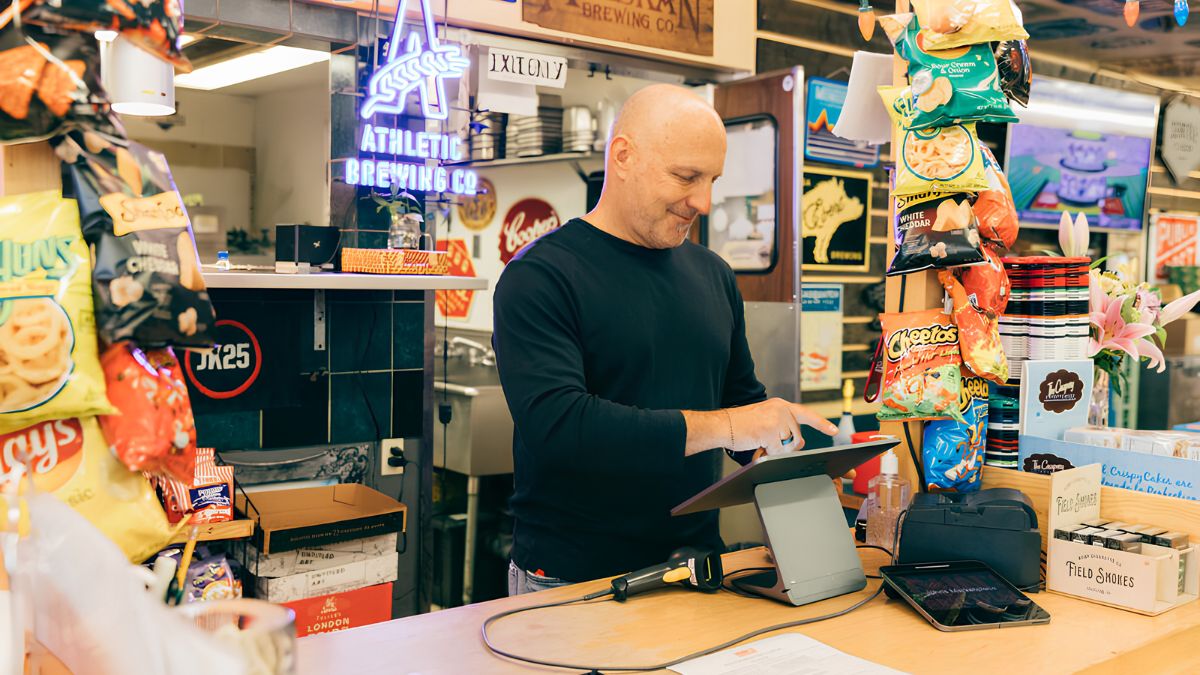

Finding vegetarian or vegan food in San Ysidro, California, can be manageable with a little preparation. Whether you live in the area, are visiting from San Diego, or are crossing the border into Tijuana, knowing how to check menus, identify animal-derived ingredients, and communicate dietary requirements can make meal planning easier.
San Ysidro is a community in southern San Diego near the United States-Mexico border. Its food options reflect a mix of local restaurants, Mexican cuisine, fast-food outlets, grocery stores, and small food businesses. Many familiar dishes can be adapted for vegetarian diners, but ingredients and preparation methods vary from one establishment to another.
For vegetarians, the main concern is often whether a dish contains meat, fish, or animal-derived ingredients such as certain broths. Vegans must also consider dairy products, eggs, honey, and ingredients used in sauces, tortillas, and baked goods. A dish that appears plant-based on a menu may not meet every dietary requirement.
The most reliable approach is to review menus before visiting, ask specific questions about ingredients, and have a backup option when information is incomplete. These steps can help you make informed choices without making dining more complicated than necessary.
Options
Start by identifying the types of food establishments that are likely to meet your needs. Restaurants serving Mexican food may offer vegetable tacos, bean dishes, rice, salads, and other meals that can sometimes be prepared without animal products. However, the ingredients used in each dish should be confirmed.
Grocery stores and supermarkets can also be useful alternatives. Fresh fruit, vegetables, nuts, bread, canned beans, and other packaged foods can provide convenient meal options, particularly when restaurant menus are limited or time is short.
Fast-casual restaurants may provide ingredient lists or online allergen information. This can help you identify possible choices before arriving. However, an allergen menu does not necessarily establish that a meal is vegetarian or vegan, because not every animal-derived ingredient is classified as an allergen.
When searching online, use specific phrases such as “vegan food in San Ysidro,” “vegetarian restaurants near San Ysidro,” or “plant-based meals near the San Ysidro border crossing.”
Review the latest menu and business information before visiting. Restaurant offerings, opening hours, and preparation practices can change, so older reviews may not accurately describe the current menu.
Menus
Checking the menu in advance is one of the simplest ways to narrow your choices. Restaurant websites, online ordering pages, and current menu photographs can provide useful information about ingredients and customization options.
Look for dishes that emphasize vegetables, beans, grains, and other plant-based ingredients. However, do not rely on the dish name alone. A vegetable soup may contain chicken stock, refried beans may be prepared with lard, and rice may be cooked in meat broth.
For vegan meals, pay particular attention to cheese, sour cream, butter, milk, cream-based sauces, and eggs. Some breads and baked goods may also contain milk, butter, or eggs.
When reviewing a menu, distinguish between a dish that is naturally plant-based and one that can be modified. A vegetable taco without cheese may still contain a non-vegan sauce or be cooked on a surface shared with meat.
If the menu does not explain its ingredients, contact the restaurant before visiting. A short phone call can clarify whether suitable meals are available and whether staff can accommodate your requirements.
Ingredients
Knowing common ingredients can help you evaluate dishes more accurately. Mexican cuisine includes many foods based on corn, beans, vegetables, rice, chilies, and herbs. These ingredients can form the basis of vegetarian and vegan meals, although traditional recipes and restaurant preparation methods differ.
The following table highlights ingredients worth checking.
| Food or ingredient | What to verify |
|---|---|
| Refried beans | Whether lard or other animal fat is used |
| Rice | Whether it is cooked with chicken broth or animal stock |
| Corn tortillas | Whether added fats or other ingredients are used |
| Flour tortillas | Whether lard, butter, or other animal-derived ingredients are included |
| Salsas | Whether the recipe contains animal products or unexpected additions |
| Vegetable soups | Whether the broth is vegetable-based |
| Tacos and burritos | Whether fillings, sauces, and cooking surfaces meet your requirements |
| Salads | Whether cheese, creamy dressings, bacon, or other animal products are added |
These are questions to ask rather than assumptions about how a dish is prepared. Recipes vary between restaurants, and some establishments offer plant-based versions of traditional foods.
It is also worth distinguishing vegetarian from vegan requirements. A vegetarian may accept dairy products or eggs, depending on their dietary choices. A vegan generally avoids all animal-derived foods, including milk, cheese, eggs, and honey.
If you follow a strict diet for ethical, religious, or health reasons, explain your requirements clearly rather than asking only whether a dish is “vegetarian.”
Questions
Asking direct questions is often more effective than relying on menu descriptions. Staff may be able to explain how a dish is prepared, identify ingredients, or suggest modifications.
You can ask whether beans are cooked with lard, whether rice contains chicken broth, or whether vegetables are prepared separately from meat. For vegan meals, ask whether dairy products, eggs, butter, or honey are used.
If you are unsure how to explain your requirements, a few simple phrases can help.
- “Does this dish contain meat, fish, or chicken broth?”
- “Are the beans cooked with lard?”
- “Is the rice made with vegetable stock?”
- “Can this meal be prepared without cheese, milk, eggs, or butter?”
- “Are the vegetables cooked on the same grill as meat?”
- “Does this sauce contain any animal products?”
San Ysidro’s proximity to Mexico means that some diners may encounter Spanish-language menus or staff. These Spanish phrases can help communicate common dietary requirements.
| English | Spanish |
|---|---|
| I am vegetarian. | Soy vegetariano/a. |
| I am vegan. | Soy vegano/a. |
| Does this contain meat? | ¿Esto contiene carne? |
| Does this contain dairy? | ¿Esto contiene lácteos? |
| Are the beans made with lard? | ¿Los frijoles llevan manteca? |
| Can you prepare this without cheese? | ¿Puede prepararlo sin queso? |
| Does this contain chicken broth? | ¿Esto lleva caldo de pollo? |
Use clear, specific questions and allow staff time to respond. If an employee cannot confirm the ingredients, consider choosing a simpler dish or another establishment.
Allergies
Dietary preferences and food allergies require different levels of caution. Someone avoiding meat for personal reasons may be comfortable with shared cooking equipment, while someone with a severe allergy may need strict measures to prevent cross-contact.
If you have an allergy to milk, eggs, peanuts, tree nuts, wheat, soy, sesame, or another ingredient, tell the restaurant about the specific allergen. Ask how the food is stored, prepared, and served.
A restaurant may be able to omit an ingredient without being able to guarantee that the meal is free from cross-contact. Shared grills, utensils, fryers, and preparation surfaces can create risks for people with certain allergies.
For severe allergies, contact the establishment before arriving and assess whether it can accommodate your needs. If staff cannot provide clear information, choosing another option may be safer.
Do not assume that a vegan label means a meal is allergen-free. Plant-based foods can contain common allergens, and vegan preparation practices do not automatically prevent cross-contact.
Planning
Planning meals ahead is especially useful if you expect to spend several hours in San Ysidro or are traveling toward the border. A little research can help you avoid making rushed decisions when you are hungry or working around a schedule.
Start by identifying two or three possible restaurants or grocery stores rather than relying on a single location. Check current opening hours, menu availability, prices where published, and whether the establishment offers dine-in, takeaway, or online ordering.
If you are traveling with children, older adults, or other people with different dietary needs, choose a location with options for the whole group. A restaurant that serves both plant-based and conventional meals may simplify the visit.
Consider the time of day as well. Some restaurants offer different menus for breakfast, lunch, and dinner, while others may run out of certain items. Calling ahead can be helpful if you need a specific dish or substantial meal.
For longer journeys, keep suitable packaged snacks available. Fruit, nuts, crackers, and other foods that fit your dietary requirements can provide a backup if a restaurant is closed or cannot confirm its ingredients. Check labels carefully if you have allergies or avoid particular additives.
Resources
Online search tools can help you identify possible restaurants, but the results should be treated as a starting point rather than a guarantee.
Google Maps and restaurant websites can help you find nearby businesses, inspect available menus, review opening hours, and contact establishments. Search filters and customer reviews may provide useful clues, but reviews do not always verify ingredients or current kitchen practices.
Restaurant ordering platforms may show customization options, such as removing cheese or selecting plant-based substitutes. However, an available customization does not necessarily establish that all ingredients and preparation methods meet vegan requirements.
When checking a restaurant, look for recent information and compare more than one source. If a listing describes a restaurant as vegan-friendly, contact the business to confirm what that means in practice.
Official food-safety information can also be useful when you have questions about restaurant hygiene or food handling. The San Diego County Department of Environmental Health and Quality provides information about local food facilities and food-safety programs.
Reference: San Diego County Environmental Health and Quality
The most dependable information about a particular dish usually comes from the restaurant itself, especially when ingredients or preparation methods are not clearly listed online.
Choices
Vegetarian and vegan diners do not necessarily need to limit themselves to restaurants specifically marketed as plant-based. Many general restaurants offer suitable dishes or can make simple adjustments. The important point is to verify ingredients rather than assuming that a meal qualifies based on its name.
For example, a vegetable burrito may be suitable if its beans, rice, tortillas, and sauces meet your requirements. A salad may work if its dressing and toppings are appropriate. A simple combination of vegetables, rice, beans, and salsa may also be practical when the kitchen cannot accommodate more complex requests.
At the same time, customization has limits. Some restaurants may use shared cooking surfaces, premixed sauces, or prepared ingredients whose contents are not readily available to staff. If the establishment cannot answer your questions, choose another meal rather than relying on an uncertain assumption.
Keep your priorities in mind. For some diners, avoiding meat is the main concern. Others may require completely animal-free ingredients or strict allergen precautions. Communicating those differences helps restaurant staff provide more useful information.
Finding vegetarian and vegan food in San Ysidro is easier when you combine advance menu research with clear questions about ingredients and preparation. Mexican cuisine and everyday grocery products offer potential plant-based choices, but recipes vary, so checking the details remains important. By identifying backup options, confirming current menus, and explaining your dietary needs clearly, you can make informed meal decisions while exploring the area or traveling through the border community.
FAQs
Can I find vegan food in San Ysidro?
Yes. Look for plant-based menu items and confirm ingredients with the restaurant.
Are refried beans always vegetarian?
No. Some recipes use lard, so ask how the beans are prepared.
How can I check whether a meal is vegan?
Ask about dairy, eggs, honey, animal broths, sauces, and cooking methods.
Can restaurant staff explain ingredients in Spanish?
You can use simple Spanish questions to ask about meat, dairy, and animal fats.
Where can I check local food safety information?
Visit the San Diego County Department of Environmental Health and Quality website.