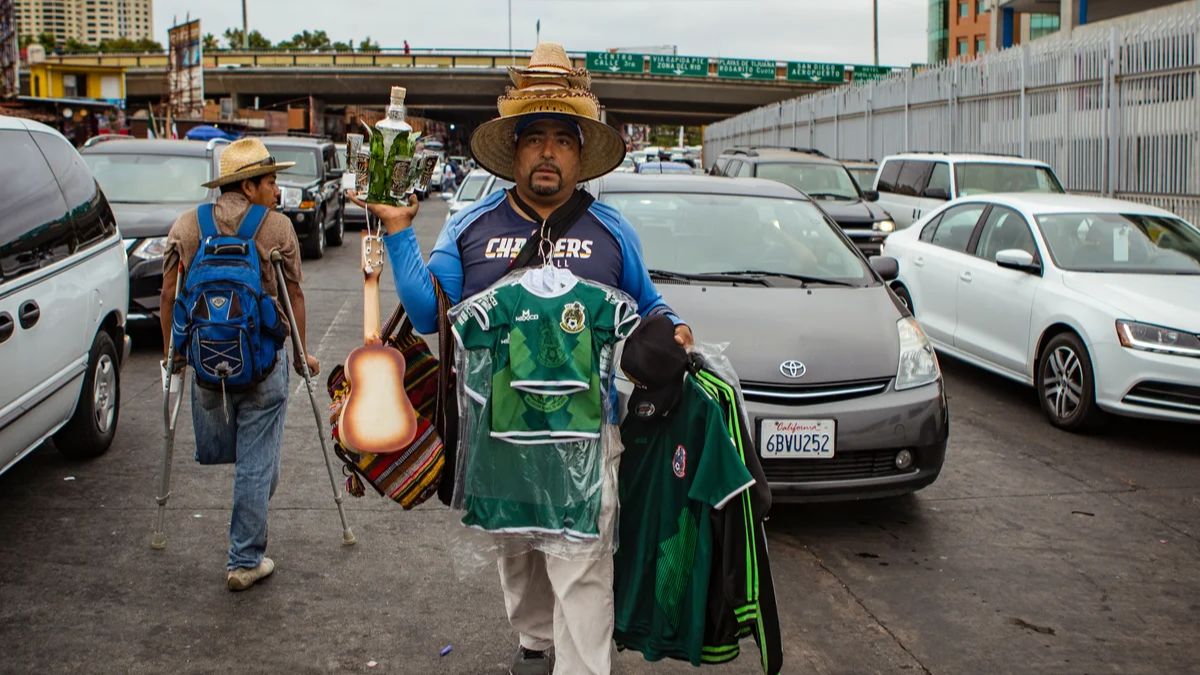
Shopping near the San Ysidro border can offer access to a wide range of retail stores, markets, pharmacies, and shopping centers on both sides of the United States-Mexico border. Whether you are buying clothing, groceries, personal care products, gifts, or household supplies, comparing prices and understanding customs requirements can help you plan your purchases more effectively.
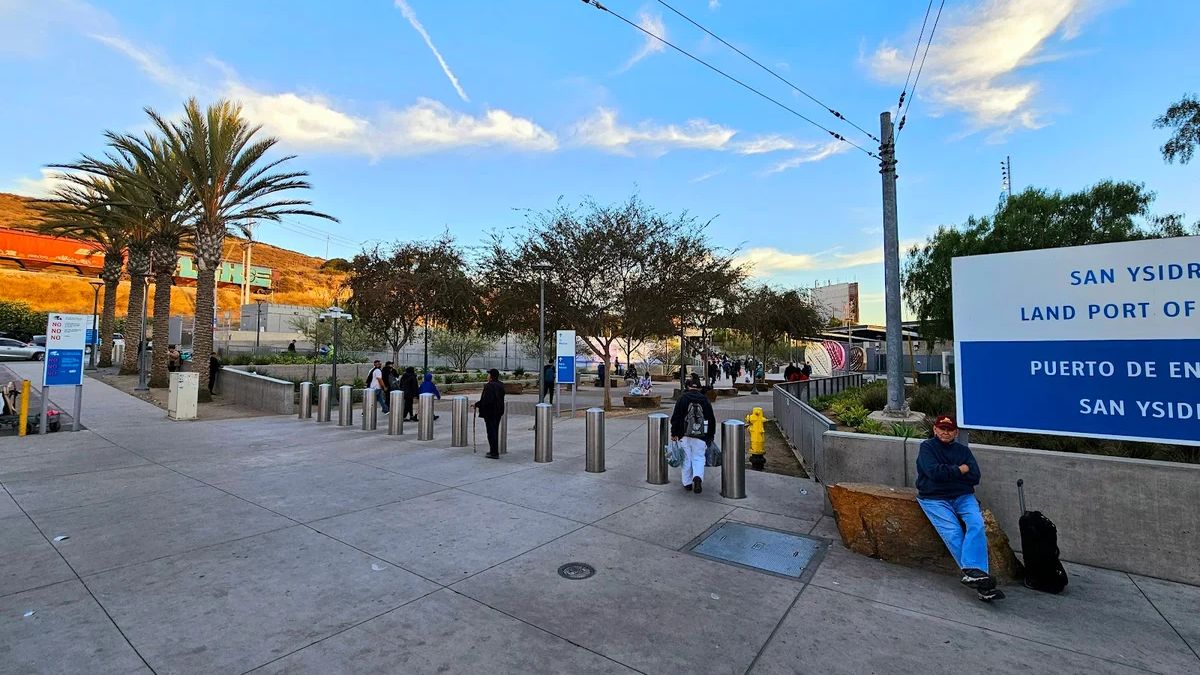
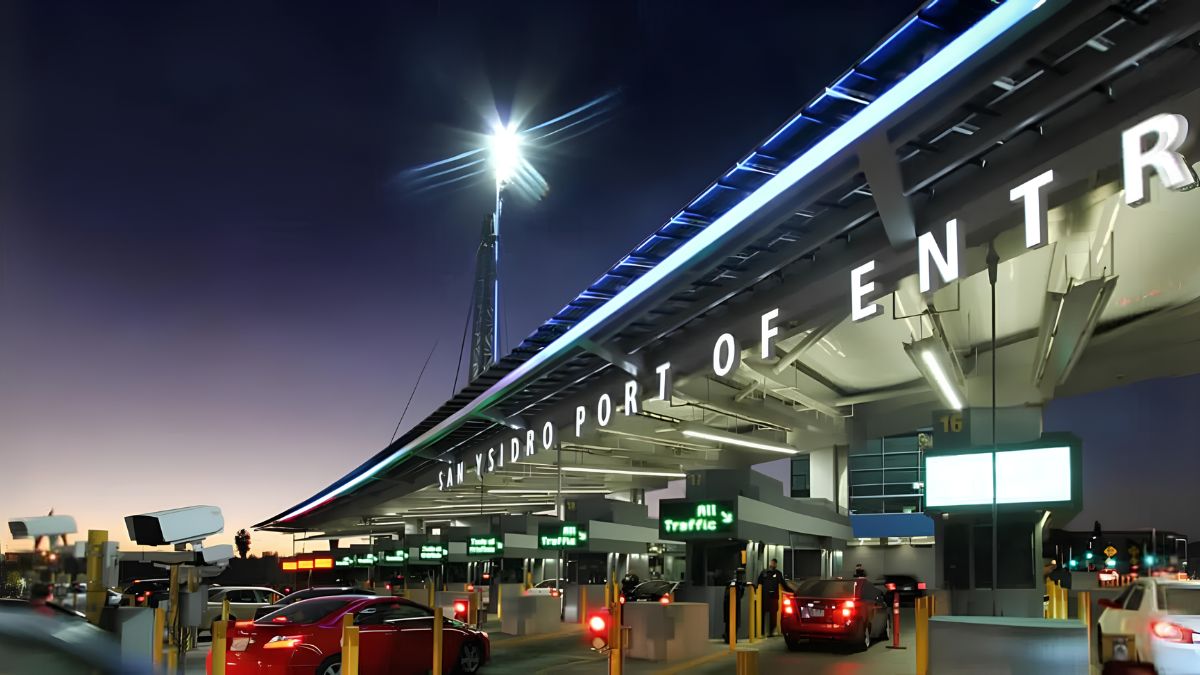
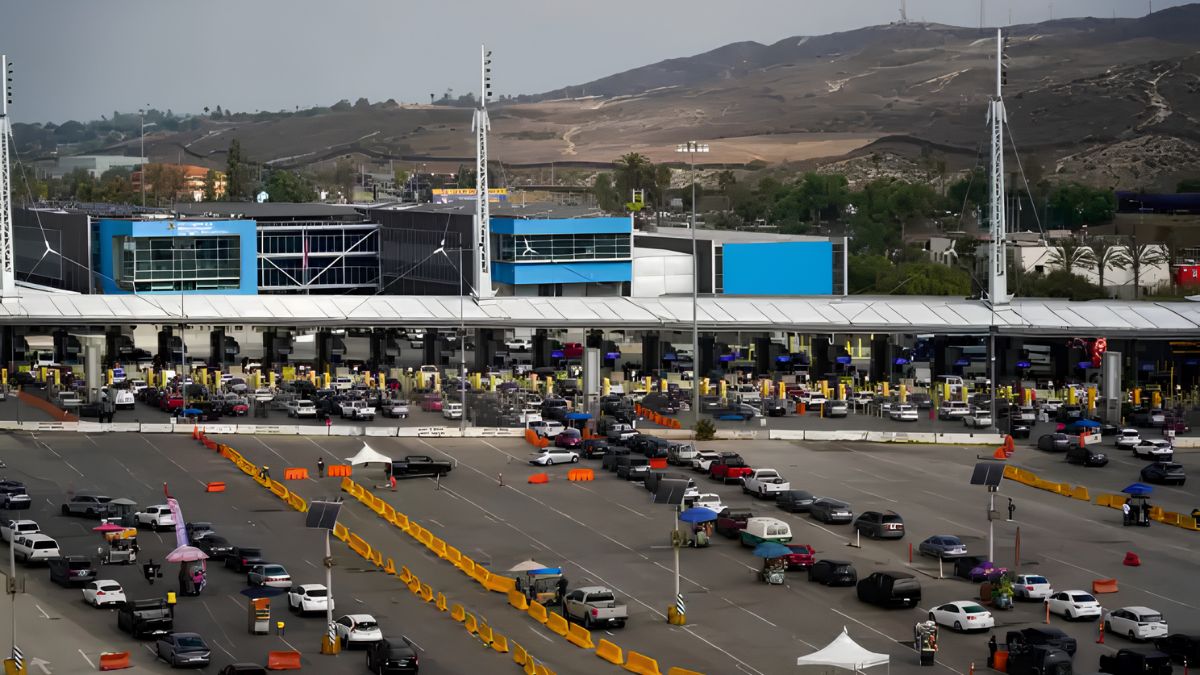
San Ysidro is a community in southern San Diego, California, directly connected to Tijuana, Baja California, through a major land border crossing. Residents, commuters, and visitors regularly travel through the area for shopping, appointments, and other personal activities. However, a purchase that appears inexpensive at first may cost more after taxes, currency conversion, transportation, and other expenses are considered.
Travelers should also understand that bringing goods across an international border involves customs rules. The amount of merchandise you can bring back, whether duties or taxes apply, and whether a product is restricted depend on factors such as your destination, residency, travel circumstances, and the type and value of the goods.
A practical shopping plan starts with comparing the full cost of purchases, checking official customs guidance, and keeping receipts. These steps help travelers make informed decisions and prepare for the return journey.
Planning
Before shopping near San Ysidro, decide what you need to buy and whether you intend to shop on the U.S. side, travel into Mexico, or visit stores in both countries.
Make a list of the products you want, including their approximate quantities and expected prices. This makes it easier to compare similar items and reduces the likelihood of buying products simply because they appear to be discounted.
Consider the practical cost of reaching each shopping destination. Driving may involve fuel, parking, and insurance expenses, while public transportation may require fares and additional walking. If you plan to cross the border, allow for possible inspection delays in both directions.
It is also useful to check store hours before departure. Retail schedules may differ on holidays, and some businesses may have different opening times on weekends.
If your shopping trip involves expensive electronics, jewelry, branded clothing, or other high-value products, review the return policy and warranty conditions before purchasing. A lower price may not provide the same value if the product has limited warranty coverage or cannot easily be returned.
Prices
Comparing prices across the border requires more than looking at the numbers displayed on store shelves. Currency conversion, sales taxes, promotional conditions, and product specifications can all affect the final cost.
For example, a product listed in Mexican pesos may appear less expensive than the same product priced in U.S. dollars. However, the exchange rate offered by a card issuer, bank, or currency exchange service may change the actual amount you pay.
When comparing prices, use the same currency and include applicable taxes and payment fees. If you are using a credit or debit card in Mexico, check whether your provider charges a foreign transaction fee and review the exchange-rate terms.
Product specifications also matter. Two electronic devices may have different storage capacities, warranty terms, power requirements, or included accessories. Clothing sizes and product packaging can also differ between markets.
A simple comparison table can help organize your research.
| Factor | What to check |
|---|---|
| Listed price | Confirm the current price and currency |
| Sales tax | Determine whether tax is included or added at checkout |
| Exchange rate | Use the rate that will apply to your payment |
| Payment fees | Check foreign transaction and currency conversion charges |
| Product specifications | Compare models, sizes, quantities, and included features |
| Warranty | Confirm where the product can be serviced |
| Returns | Review return deadlines and refund conditions |
| Transportation | Include parking, fuel, fares, and other travel expenses |
Online prices can provide a useful starting point, but they may not reflect in-store promotions or current inventory. Verify the price with the retailer before making a special trip.
Allowances
Customs allowances determine whether certain goods can enter a country without additional duties or taxes under the applicable rules. They are not universal limits that apply identically to every traveler or every type of product.
For travelers returning to the United States from Mexico, U.S. Customs and Border Protection (CBP) administers customs declarations and inspections. The amount of merchandise that may qualify for a duty-free allowance can depend on factors such as the traveler’s eligibility, the length and circumstances of the trip, and the nature of the goods.
Alcohol and tobacco products may be subject to separate limits and eligibility requirements. Some products may also be restricted or require special documentation regardless of their purchase price.
Travelers should not assume that every item bought in Mexico can be brought into the United States without restrictions. Food, plants, animal products, medications, weapons, and certain other goods may be subject to additional rules.
Before shopping, review the official U.S. Customs and Border Protection website and its information for travelers entering the United States.
If your trip involves valuable purchases, multiple shopping visits, or merchandise intended for resale, check the rules that apply to your particular circumstances. Personal-use purchases and commercial imports may be treated differently.
Declarations
Travelers should understand their obligation to declare purchases when entering the destination country. A customs declaration provides information about goods being brought across the border and helps authorities determine whether duties, taxes, or other requirements apply.
When returning to the United States, answer customs officers’ questions accurately and follow the instructions provided during inspection. Keep receipts available so that you can explain what you purchased, how much you paid, and where the items came from.
Do not assume that a product is exempt from declaration simply because it is inexpensive or intended for personal use. Declaration requirements and duty-free treatment are separate issues, and some categories of goods have specific rules.
If you are unsure whether an item must be declared, consult official guidance before traveling. Declaring an item does not automatically mean that you will owe additional charges, but failing to follow applicable declaration rules can create complications.
Travelers should also check the requirements for bringing purchases into Mexico when crossing in that direction. Mexican customs rules may differ from U.S. requirements, and allowances can depend on the type and value of the goods.
For current Mexican customs information, consult the relevant official Mexican government resources, including the National Customs Agency of Mexico (ANAM).
Receipts
Keeping receipts is a straightforward way to prepare for a customs inspection and maintain a record of your purchases.
Receipts can help establish the amount paid, the date of purchase, and the identity of the retailer. This information may be useful when customs officials ask about the value of merchandise or when you need to return an item.
For expensive purchases, retain both the receipt and any warranty documentation. If you buy several products from different stores, organize the receipts by retailer or category rather than placing them loosely in a shopping bag.
Digital receipts can provide a useful backup, but keep them accessible if you cannot connect to the internet while traveling. Where possible, download the relevant documents or retain the original paper receipts.
If you purchased a product on sale, keep the receipt showing the actual amount paid. Customs treatment depends on the applicable rules and circumstances, so do not assume that a promotional price automatically determines the value authorities will use.
Restrictions
Some purchases require additional attention because they may be restricted, regulated, or subject to specific import conditions.
Food is a common example. Certain meat products, fruits, vegetables, plants, seeds, and agricultural goods may be prohibited or require inspection or permits when entering the United States. The rules can vary according to the product, its origin, and current agricultural conditions.
Medications also require care. A product available without a prescription in one country may be controlled or subject to different requirements in another. Travelers should keep medications appropriately labeled and verify the rules for prescription drugs, controlled substances, and products containing regulated ingredients.
Alcohol, tobacco, firearms, ammunition, and other regulated goods may have specific import, licensing, age, or declaration requirements. Travelers should not rely on a retailer’s assurance that an item can be transported internationally without checking the relevant government rules.
Branded merchandise may raise additional concerns if authenticity or intellectual property restrictions are involved. Be cautious about counterfeit products, especially when prices appear unusually low.
If you intend to purchase an item that could be restricted, review the relevant government guidance before paying for it. This is particularly important when the product is expensive, difficult to return, or intended to be carried across the border immediately.
Transportation
The most suitable transportation option depends on where you intend to shop, how much you plan to purchase, and whether you will cross the border on foot or by vehicle.
Driving can be convenient when buying bulky household items or carrying several shopping bags. However, travelers taking a vehicle into Mexico should confirm their insurance coverage and any applicable vehicle documentation requirements.
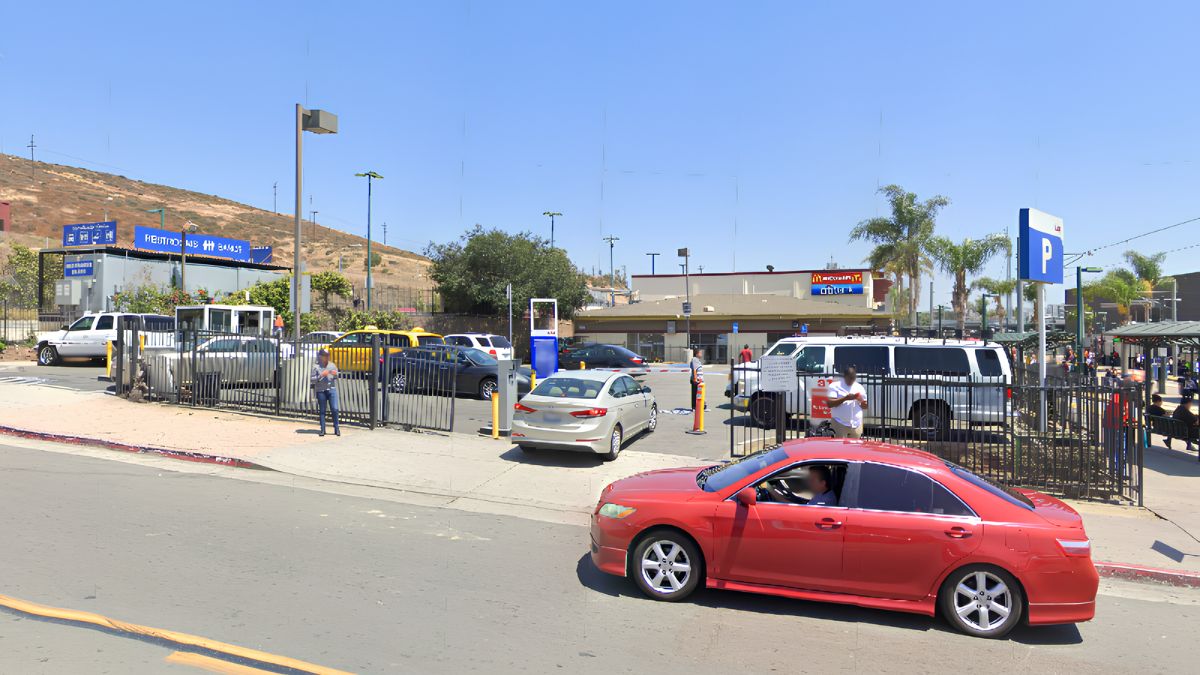
Parking on the U.S. side and walking across may be practical for smaller purchases. However, shoppers should consider the distance between parking, the pedestrian crossing, and their intended destinations. Carrying multiple bags through a busy border area may be inconvenient, particularly during periods of heavy traffic.
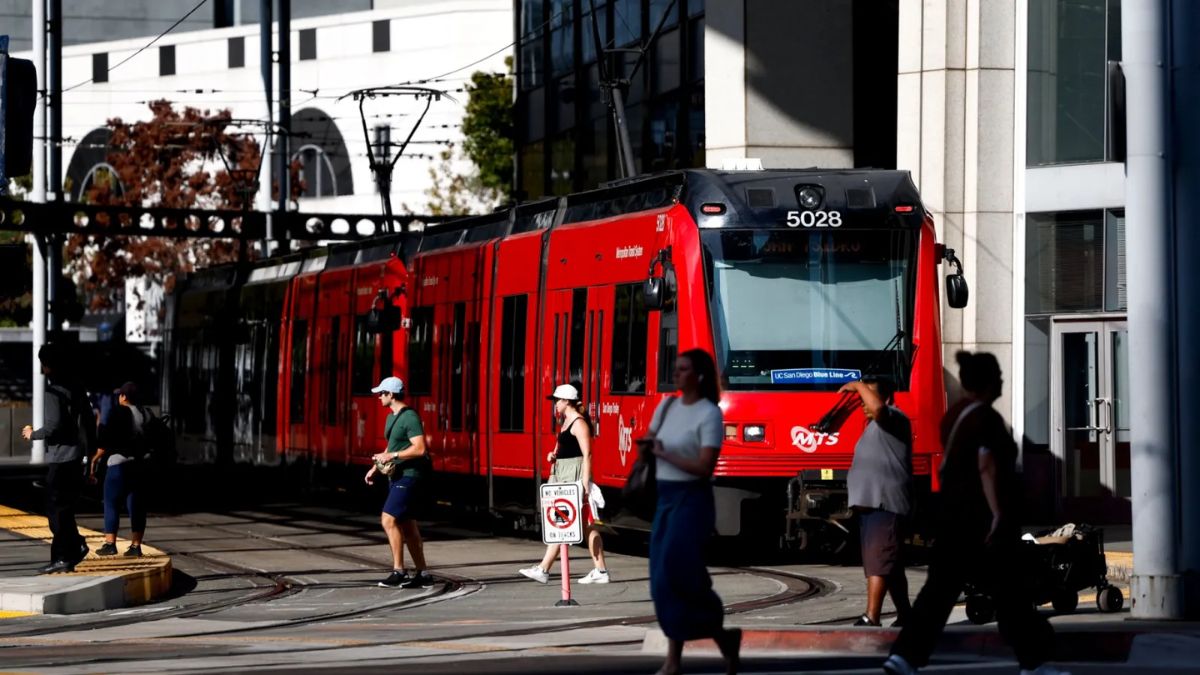
Public transportation can help travelers reach San Ysidro from other parts of San Diego. The San Diego Metropolitan Transit System operates the Blue Line trolley, which serves the San Ysidro Transit Center.
Official resource: San Diego Metropolitan Transit System.
Check current schedules, fares, and station information before traveling. If you plan to continue into Mexico, confirm your onward transportation arrangements and consider how much luggage you can reasonably carry.
For high-value purchases, think about personal security as well. Keep important documents and payment cards secure, avoid displaying large amounts of cash, and arrange a practical way to transport fragile items.
Budgeting
A shopping budget should include more than the amount shown on the price tag. Transportation, payment fees, applicable taxes, customs duties, and potential return costs can all affect the final expense.
Set a spending limit before departure and prioritize the items you need most. This can help you avoid unplanned purchases and make it easier to compare offers objectively.
If you are shopping in Mexico, calculate the approximate U.S. dollar cost before paying. Use the exchange rate and fees that apply to your payment method rather than relying on a rounded online estimate.
For purchases that may attract duties or require special treatment, check the relevant rules before completing the transaction. An unexpected customs charge can reduce or eliminate the apparent savings.
It is also sensible to retain enough money for transportation, meals, and other necessary expenses. A successful shopping trip is not simply one in which individual products are inexpensive; it is one in which the total cost fits your budget and the purchases meet your needs.
Checklist
Before shopping near San Ysidro, review these practical steps:
- Make a list of the products and quantities you need.
- Compare current prices from retailers on both sides of the border.
- Check exchange rates, payment fees, and applicable taxes.
- Review warranty coverage and return policies.
- Confirm customs allowances for your destination and circumstances.
- Check restrictions for food, medication, alcohol, tobacco, and other regulated products.
- Carry receipts and relevant product documentation.
- Choose transportation suited to the size and weight of your purchases.
- Declare goods as required by the applicable customs rules.
- Keep important documents, cash, and payment cards secure.
Completing these steps before departure can help you avoid unnecessary expenses and make more informed purchasing decisions.
Shopping near San Ysidro can be convenient for travelers who plan carefully and understand the requirements associated with cross-border purchases. Comparing the full cost of products, checking official customs guidance, retaining receipts, and arranging suitable transportation can help you assess whether a purchase offers genuine value.
Because customs rules and retail conditions can change, verify current requirements with the relevant authorities before traveling. This preparation allows you to focus on your shopping plans while reducing the likelihood of unexpected costs or border complications.
FAQs
Can I bring shopping purchases across the San Ysidro border?
Many goods can cross, but customs declarations and restrictions may apply.
Where can I check U.S. customs allowances?
Consult the official U.S. Customs and Border Protection website before traveling.
Should I keep shopping receipts?
Yes. Receipts help document purchase prices and support returns or warranty claims.
Can I bring food across the border?
Some foods are restricted or require inspection, depending on the product and origin.
How can I compare prices across the border?
Compare final prices after currency conversion, taxes, payment fees, and transportation.