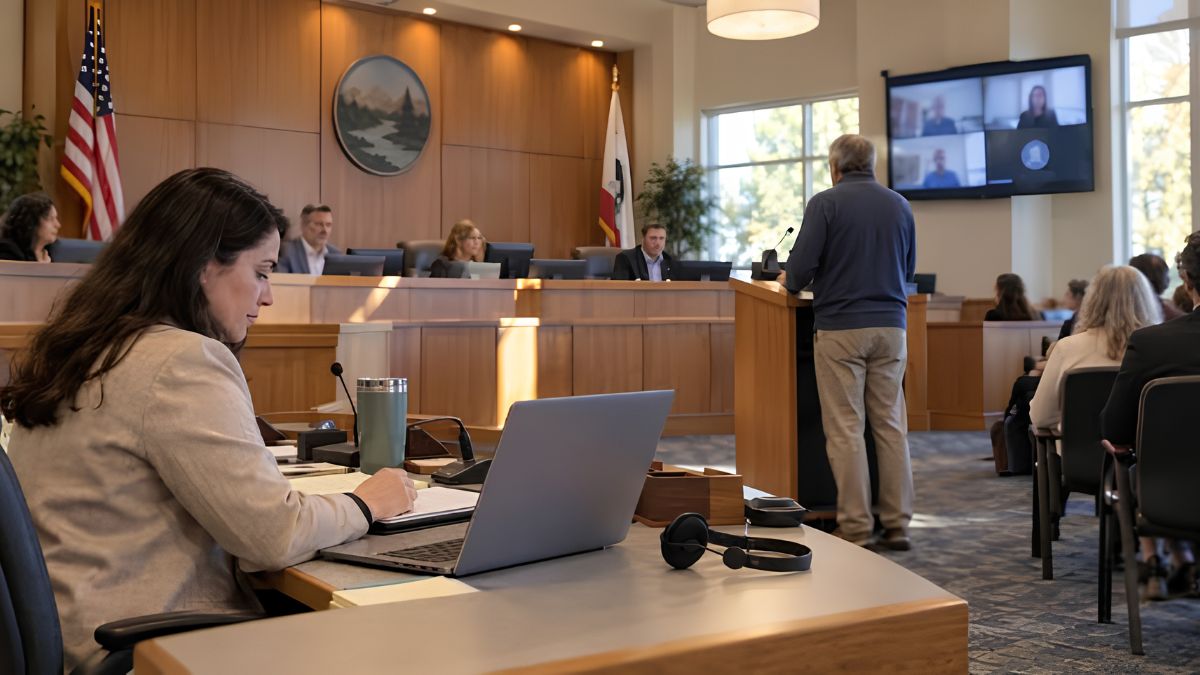
Public meetings about development projects in San Ysidro can influence decisions about housing, commercial buildings, transportation, public spaces, and neighborhood improvements. For residents, business owners, property owners, and community groups, attending a meeting is an opportunity to understand proposed changes and share concerns before a decision is made.
However, simply showing up may not be enough. Important details often appear in meeting agendas, staff reports, project plans, environmental documents, and public comment instructions published before the meeting. Reviewing these materials in advance can help you understand what officials are considering, which issues remain open for discussion, and how to make your comments useful.
Whether a proposal involves a new building, a street improvement, or a broader planning initiative, a little preparation can make the process easier to follow. Here is how to get ready for a public meeting about development in San Ysidro.
Agendas
The meeting agenda is the best place to begin. It identifies the topics scheduled for discussion and may show whether a development proposal is being introduced, reviewed, or considered for approval.
First, confirm the meeting date, start time, location, and format. Some meetings take place in person, while others may offer online participation or remote public comment. Check the official notice rather than relying on an old calendar entry or a shared social media post.
Next, look for agenda items related to San Ysidro development. These may refer to a project address, a planning application number, a zoning change, a conditional use permit, a subdivision, a transportation improvement, or an environmental review. A project might also appear under a broader item, such as community planning or infrastructure.
Pay attention to the type of meeting. A community planning group may discuss local concerns and make recommendations, while a city commission or the San Diego City Council may consider a formal action. Different bodies have different responsibilities, so knowing who is meeting helps you understand what the discussion can accomplish.
If the agenda includes a consent calendar, check whether the project appears there. Consent items are generally handled together unless an item is pulled for separate consideration, subject to the body’s procedures. If you want to speak about a specific item, verify the relevant rules and deadlines before the meeting.
Documents
An agenda often provides links to supporting documents. These records can explain a proposal in far more detail than the short agenda description.
Start with the staff report, if one is available. It may summarize the project, explain applicable planning policies, outline potential impacts, and identify staff recommendations. Note the questions the decision-making body is being asked to resolve. A presentation may describe a proposal, but the staff report often provides more context about the formal decision.
Project plans are also useful. Depending on the development, documents may include site plans, building elevations, landscaping plans, parking layouts, traffic studies, or maps showing nearby properties. Review these materials to understand the project’s scale and location in relation to existing homes, businesses, sidewalks, roads, and public facilities.
Environmental documents may address subjects such as traffic, noise, air quality, historic resources, biological resources, or other potential effects. Not every project requires the same level of review. If an environmental document is available, look for its summary, identified impacts, proposed mitigation measures, and any public review deadlines.
Keep track of document dates and versions. Revised plans can differ significantly from earlier proposals, and an older presentation may no longer reflect the project scheduled for consideration. If something appears inconsistent, contact the relevant city department or meeting organizer to ask which version is current.
Sources
Use official sources to locate meeting materials and confirm procedural details. Start with the City of San Diego’s City Council and public meeting information, which can help you identify meeting schedules and access relevant records.
For neighborhood planning context, review the city’s San Ysidro Community Plan information. Community plans provide a broader framework for understanding land use, mobility, and neighborhood priorities. They do not replace the specific plans and reports for an individual project.
You can also consult the City Clerk’s official documents and legislative records for applicable agendas, reports, and legislative materials. Availability and document organization may vary by meeting and decision-making body.
If you cannot find a supporting document, contact the department listed on the agenda. Ask whether additional materials are available and whether the project has a separate application page or public review period.
Rules
Public comment rules can determine whether your remarks are heard and how they become part of the meeting record. Read the instructions attached to the specific meeting because requirements can differ between the City Council, planning commissions, advisory groups, and other public bodies.
Check whether speakers must submit a request in advance, register online, or complete a speaker slip at the venue. If remote participation is available, confirm the instructions for joining and requesting to speak. Do not assume that an online meeting link automatically provides the option to give live comments.
Pay attention to time limits. Speakers may be given a short period, and the chair or presiding officer may apply procedures for managing public comment. If you have several points to make, prioritize the two or three most important ones rather than trying to cover every concern.
Also check when public comment is permitted. Some meetings allow general comments on matters within the body’s jurisdiction, while comments on a specific agenda item may need to be made when that item is considered. Public hearings can have separate procedures or deadlines, so read the notice carefully.
If you plan to submit written comments, confirm the accepted method and deadline. Email, online forms, and written submissions may be handled differently depending on the meeting. Keep a copy of anything you send, along with confirmation of submission when available.
Questions
Once you have read the agenda and supporting documents, prepare a short list of questions. Focus on information that is missing, unclear, or important to the neighborhood.
For example, you might ask how a proposed entrance could affect pedestrian safety, whether a traffic study accounts for nearby intersections, or what measures are planned to reduce construction noise. If the project includes landscaping or public space, you could ask who will maintain it and how the design addresses accessibility.
Make your questions specific. Instead of saying, “This project will cause traffic problems,” explain which street or intersection concerns you and identify the issue you want officials to address. If a staff report contains relevant data, refer to the report or page so everyone can follow your point.
It is also useful to separate verified facts from concerns or predictions. A statement such as “The plan shows vehicle access on this street, and I would like to know how pedestrian conflicts will be addressed” is easier to respond to than a claim about an impact that has not yet been established.
Comments
Write your main comment before the meeting. A simple structure works well: introduce your connection to the neighborhood, identify the project, explain your main concern or support, and state the action or clarification you are requesting.
For example, a resident might support new housing while asking the project team to explain how it will address sidewalk access and construction impacts. A nearby business owner might support a streetscape improvement but ask how customers and deliveries will reach businesses during construction.
You do not need to be a planning expert to participate. Clear, respectful comments grounded in the available documents can help decision-makers understand community priorities. If you disagree with a proposal, explain why and, where possible, suggest a practical alternative.
Bring a printed or digital copy of your notes, the agenda item number, and any relevant page references. If officials cannot answer your question during the meeting, ask which department or project contact can provide follow-up information.
Follow-Up
After the meeting, check the minutes, recordings, staff updates, or decision records when they become available. These materials can help you understand what was discussed, whether the project was approved or continued to a later date, and what conditions or follow-up steps may apply.
Remember that not every public meeting results in a final decision. A planning group may provide a recommendation, staff may request revisions, or a hearing may be continued. Confirm the outcome through official records rather than relying solely on informal summaries.
If you believe an important issue was overlooked, review the applicable process for submitting additional comments or participating in a later hearing. For projects with formal public review periods, deadlines may be different from the deadline for speaking at a meeting.
Preparing for a San Ysidro development meeting does not require reading every document from beginning to end. Start with the agenda, focus on the current staff report and project plans, learn the public comment rules, and organize your main points. This approach helps you participate confidently, ask more useful questions, and make your views easier for decision-makers to understand.
FAQs
Where can I find San Ysidro meeting agendas?
Check the City of San Diego’s official meeting pages and notices.
What documents should I review before a meeting?
Review the staff report, project plans, maps, and available environmental documents.
Can residents speak at development meetings?
Yes, subject to the meeting’s public comment rules and procedures.
How should I prepare my public comments?
Keep comments concise, specific, respectful, and supported by project information.
Where can I check a project’s meeting outcome?
Review official minutes, recordings, and decision records after the meeting.