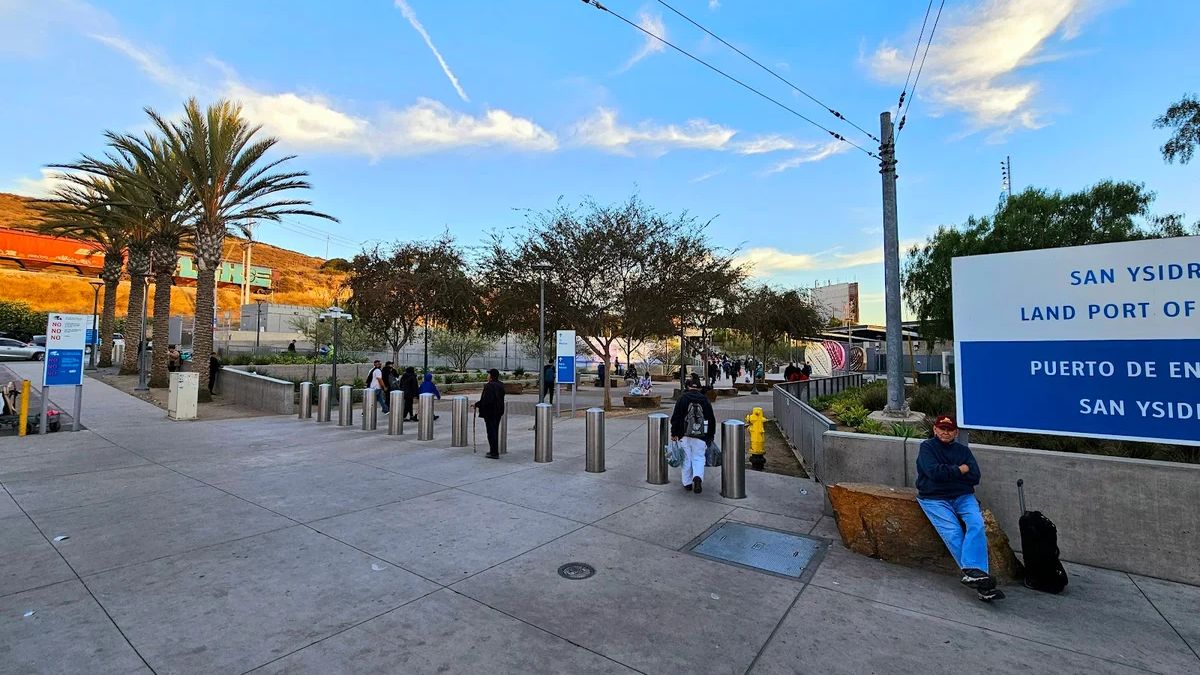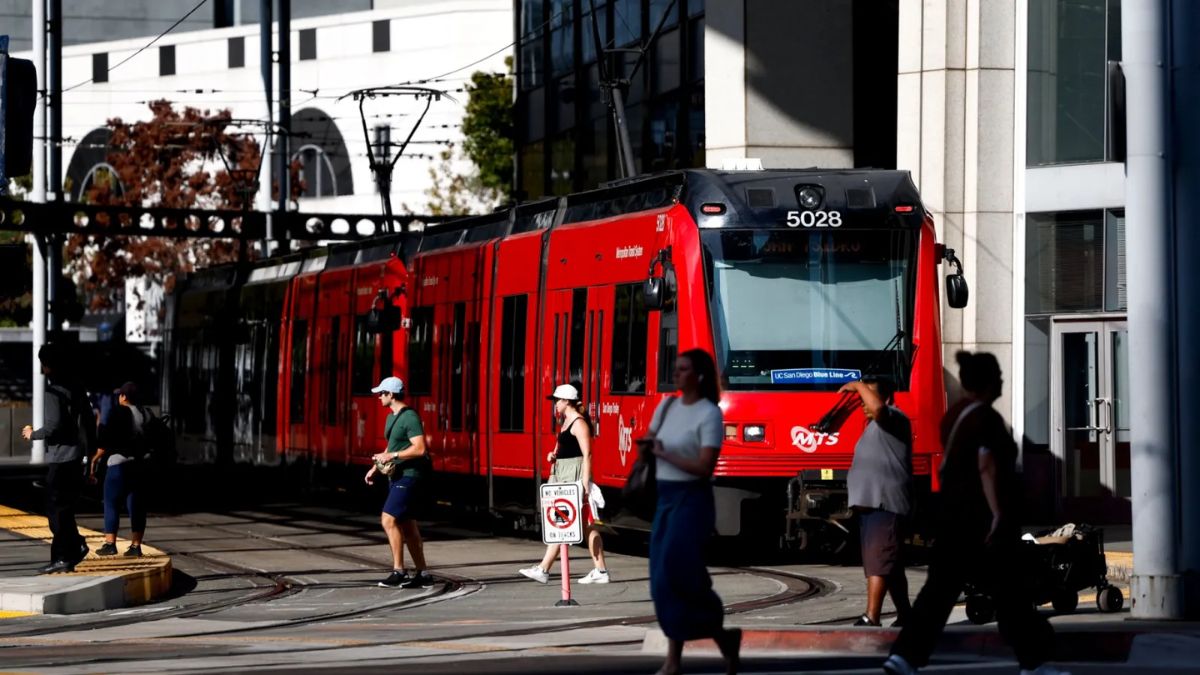
Researching historic buildings and former business locations in San Ysidro can reveal how the neighborhood has changed over time. An old storefront, a building with a distinctive facade, or a business name remembered by longtime residents can provide clues about the area’s commercial history, architecture, and community life. With the right sources, even a small detail can become the starting point for a well-supported local history.
San Ysidro’s location near the U.S.-Mexico border makes its history especially interesting. Cross-border travel, changing transportation patterns, neighborhood development, and shifts in local commerce have all influenced how buildings and business districts are used. Yet historical information is not always gathered in one place. Details may be scattered across city archives, historical maps, directories, newspaper collections, property records, photographs, and personal memories.
The most reliable approach is to treat research like assembling a puzzle. Start with what you know, identify the location as precisely as possible, and compare several independent sources before drawing conclusions. This guide explains how to research historic buildings and former business locations in San Ysidro using credible local and public resources.
Start
Before searching archives, write down the details you already have. These might include an old business name, a street address, the name of a former owner, an approximate decade, or a description of the building. Even an incomplete clue can help narrow the search.
For a former business, record possible spelling variations and alternative names. A shop may have operated under one name for several years before changing ownership or rebranding. Newspaper advertisements might use an abbreviation, while a city directory could list the proprietor rather than the storefront name.
For a historic building, note visible features such as its approximate age, architectural style, number of floors, original entrance, or distinctive signage. If the structure still exists, take photographs from public areas where permitted. Capture the surrounding street and neighboring buildings as well as the facade, since the broader setting may help identify the property in older photographs.
Keep a research log with four basic details: the clue, the source, the date of the source, and what it establishes. Separate confirmed facts from possibilities. For example, a photograph may show that a building existed by a particular year, but it may not establish the building’s original owner or exact construction date.
Archives
Local archives are among the most useful places to begin researching community history. They may hold photographs, maps, newspapers, planning records, business documents, oral histories, and other material that is difficult to locate through an ordinary web search.
The San Diego Public Library is a practical starting point for historical research. Its local history and special collections resources may help you identify relevant photographs, publications, and archival materials about San Diego neighborhoods. Search the library’s catalog and digital collections using terms such as “San Ysidro,” a street name, a business name, or an approximate date.
The San Diego History Center is another valuable resource. Its collections and research materials cover the region’s history, including people, places, businesses, and changes in the built environment. Search its online resources and contact the institution if you need help identifying a collection or finding material that is not digitized.
When contacting an archive, be specific. Instead of asking whether it has information about San Ysidro, provide the business name, approximate location, likely period, and any known spelling variations. Ask whether staff can recommend a collection, catalog term, photograph series, or directory for that period.
Not every archival item will be available online. Some materials may require an in-person visit, a research appointment, or permission for reproduction. Check access policies before planning a visit, and record collection titles or item identifiers so you can return to the same source later.
Directories
Historical city directories and telephone books can help establish where a business operated and when it appeared in the local commercial landscape. Depending on the year, a directory may list a business name, street address, owner, occupation, or telephone number.
Try searching for the same business across several years rather than relying on a single listing. If a store appears at one address in an early directory and a different address later, that may indicate a move, a renumbering of the street, or a change in how the directory recorded the location. Additional evidence is needed to determine which explanation fits.
Directories can also help track changes in a building’s use. A property that once housed a grocery store might later appear as a restaurant, office, or another retail business. These records can help establish a timeline, but listings do not always prove that a business operated continuously throughout the years between entries.
Search library catalogs and historical collections for San Diego city directories, telephone directories, and business directories. Check the publication’s geographic coverage because some directories may not include every part of San Ysidro or may organize listings under broader regional headings.
When you find an entry, record the directory’s title and publication year, the exact spelling of the business, and the address as printed. Avoid modernizing the address in your notes without keeping the original version. Preserving the original wording makes it easier to compare the listing with historic maps and property records.
Maps
Historic maps can help establish where a building stood and how the surrounding area developed. They are particularly useful when a former business has closed, the structure has been demolished, or the street layout has changed.
Start with maps that show street names, property boundaries, building footprints, or land use. Compare maps from different periods to see whether the block existed in its current form, whether roads were extended, or whether parcels were subdivided. Historical aerial photographs can add another layer of evidence by showing the size and arrangement of buildings.
The Library of Congress provides access to a wide range of historical maps, while the USGS Historical Topographic Map Collection offers older topographic maps that can help place a location in its geographic context.
These collections may not contain detailed maps of every San Ysidro block or commercial property. If a search does not produce a useful result, try broader search terms such as San Diego County, the relevant street, or a neighboring place name. Check the map’s date, scale, and purpose before relying on it for a precise location.
A map can show that a street or structure existed by a certain date, but it usually cannot prove which business occupied the building. Use it alongside directories, photographs, newspaper advertisements, or official property documents.
Records
Official property and planning records can help clarify a building’s physical history. Depending on the property and the period involved, records may include parcel information, building permits, construction plans, alteration permits, planning applications, or historic-resource assessments.
The City of San Diego’s Planning Department is a useful starting point for information about planning processes and historic preservation. The city’s historic-resource review materials may help establish whether a property has been evaluated for historic significance or appears in relevant city documentation. Inclusion in a report or inventory should not automatically be interpreted as formal designation; verify the property’s actual status.
The San Diego County Assessor/Recorder/County Clerk provides official property and recording services. Depending on the record type and access rules, these resources may help you investigate parcel information or locate recorded documents relevant to ownership and property history.
Keep in mind that different records answer different questions. A parcel record may identify a property, but it may not provide a complete history of businesses that operated there. A deed may document a transfer of ownership, but it does not necessarily establish the date a building was constructed. Building permits can be helpful, although older records may be incomplete, difficult to locate, or indexed under a different address.
If you contact a city or county office, provide the current address, the historical address if known, and any parcel number you have confirmed. Ask which records are available for the relevant period and whether research requests, appointments, or fees apply. Do not assume that all historical files are digitized or searchable online.
Newspapers
Newspapers can add the details that official records often leave out. Advertisements, opening announcements, business notices, community columns, and local reporting may reveal when a shop opened, what it sold, who managed it, or why it closed.
Search for both the business name and its address. If the name is common, combine it with “San Ysidro,” a street name, or the owner’s name. Try several date ranges and spelling variations. An advertisement might describe a business as a market or trading company rather than use the name remembered by a resident today.
The San Diego Public Library can help researchers identify available newspaper resources. The Library of Congress’s Chronicling America collection is another source for digitized historical newspapers, although its coverage varies by publication and date. A lack of results does not mean that a business did not exist; the relevant paper may not be digitized or included in the collection.
When using a newspaper item, record the publication name, date, page, and headline or advertisement text. Save a copy or citation according to the collection’s terms. A single advertisement may confirm that a business promoted its services on a particular date, but it does not necessarily prove the business opened that day or remained at the same location afterward.
For stronger evidence, look for independent references. A newspaper advertisement, a directory listing, and a dated photograph that all point to the same address provide a more persuasive picture than three websites repeating the same unverified claim.
Photographs
Historic photographs can show how a building looked before renovations, how a storefront displayed its name, or how a street changed over time. They can also reveal details that are not obvious in written records, such as awnings, entrances, neighboring structures, or the relationship between a business and the sidewalk.
Begin with institutional photo collections, library archives, local history organizations, and dated newspaper images. Search using the street name, business name, approximate decade, and any known owner or architect. If the building still exists, compare old and current views from similar angles.
Pay attention to captions and catalog descriptions. A photograph labeled with a business name may show the business in the foreground without identifying the building’s legal address. A photo’s date might also be approximate rather than exact. Record any uncertainty instead of treating a caption as definitive proof.
Image rights matter, too. Before republishing a historic photograph in an article, presentation, or social media post, check the collection’s reproduction policy and copyright information. A photograph being visible online does not automatically mean it is free to reuse.
Memories
Longtime residents, former employees, business owners, and family members can provide valuable details that may never have appeared in official records. An oral history might identify an informal business name, explain how a building was used, or point you toward a photograph or document you would not otherwise have found.
Begin with open-ended questions. Ask what the business was called, what it sold, where the entrance was, which neighboring businesses people remember, and approximately when the person visited or worked there. Avoid suggesting an answer too early, as leading questions can unintentionally shape a person’s recollection.
With permission, record the interview or take careful notes. Document the interview date and the person’s relationship to the place. If you plan to publish quotations, photographs, or personal information, explain how you intend to use the material and obtain consent.
Memories are valuable, but they should be treated as one type of evidence rather than automatic confirmation. People can remember dates differently, and a business may be associated with a location even if it occupied a neighboring building. Compare recollections with directories, maps, photographs, and official records wherever possible.
Verification
The most important step is to check whether the sources agree. A research file can contain many interesting clues while still leaving basic questions unanswered. A consistent method helps you distinguish a confirmed fact from a reasonable but unproven interpretation.
Use a simple evidence table to organize your findings:
| Research question | Useful evidence | What to verify |
|---|---|---|
| Where was the business located? | Directories, maps, property records | Address changes and parcel location |
| When was the building present? | Dated photographs, maps, permits | Date accuracy and building identity |
| When did a business operate? | Directory entries, advertisements, news | Earliest and latest confirmed references |
| Who owned the property? | Recorded deeds and official records | Ownership dates and exact parcel |
| What did the building look like? | Photographs, plans, architectural reports | Image date and whether alterations occurred |
Keep a separate list of unresolved questions. For example, you may have evidence that a business operated at an address in 1965 but no reliable source for its opening date. State that limitation clearly rather than estimating a date without support.
Also distinguish property ownership from business ownership. The person who owned the building may not have operated the shop inside it. Similarly, a business may have changed names while remaining at the same location, or retained its name while moving to another property.
Workflow
A consistent research process can save time and reduce mistakes, especially when several buildings or former businesses are involved.
- Identify the location. Record the current address, former address, business name, or nearest intersection.
- Establish a date range. Use family photographs, memories, advertisements, or other clues to estimate the period.
- Search directories and newspapers. Look for dated references to the business and its location.
- Compare historic maps and photographs. Check whether the building and street layout match the records.
- Consult official records. Investigate permits, planning documents, property information, and relevant historic-resource files.
- Cross-check the evidence. Look for independent sources that support the same timeline.
- Document your findings. Save citations, record uncertainties, and note which questions remain unanswered.
This approach works for a single storefront or a broader project documenting a commercial street. If you are researching multiple properties, create a separate file for each address and keep a master timeline showing when businesses appeared, changed names, moved, or disappeared from the available records.
Researching San Ysidro’s historic buildings and former businesses is ultimately about connecting individual places with the community’s larger story. Directories can identify occupants, maps can clarify locations, newspapers can capture business activity, photographs can reveal architectural changes, and oral histories can preserve personal experiences.
No single source is likely to tell the whole story, but several independent records can build a reliable account. By documenting where information came from and being clear about what remains uncertain, you can produce local history that is useful, respectful, and grounded in evidence.
FAQs
Where can I research San Ysidro’s history?
Start with the San Diego Public Library and San Diego History Center.
How can I find a former business address?
Compare historical directories, newspaper ads, maps, and property records.
Can old photographs identify historic buildings?
Yes, especially when captions and other records confirm the location.
Are property records enough to prove business history?
No. Combine them with directories, newspapers, and photographs.
How should I verify historical information?
Compare independent sources and record any remaining uncertainty.