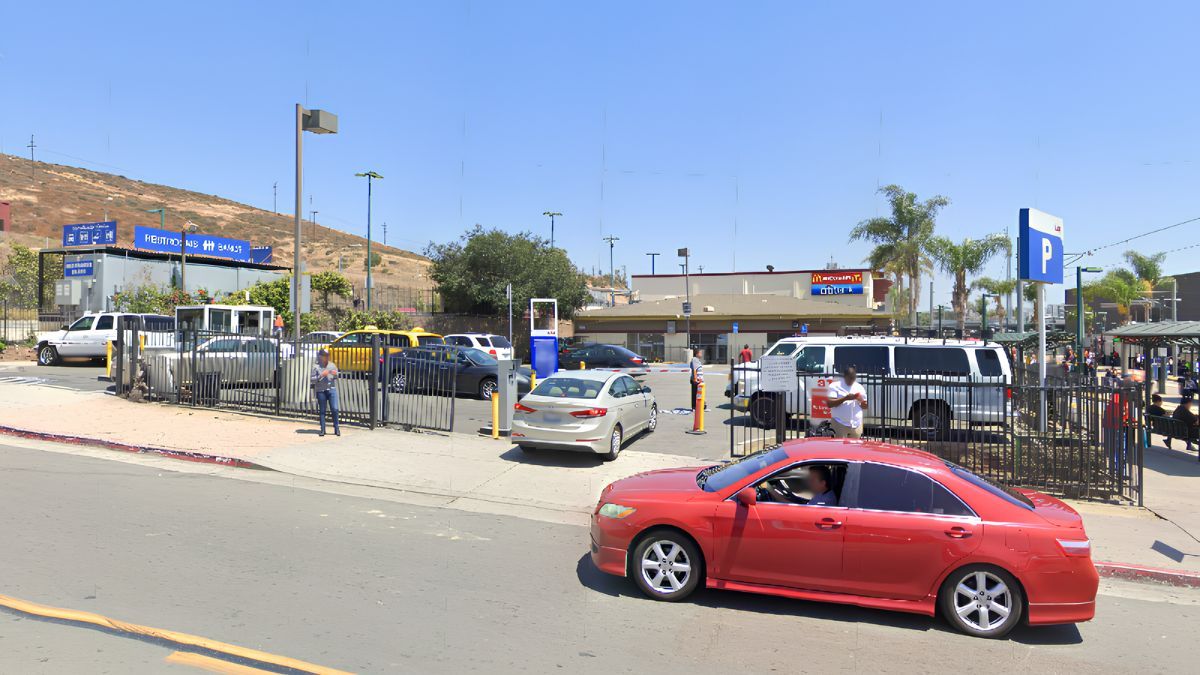

Travelling between San Diego and Tijuana can involve more than choosing an airport and booking a flight. For people starting their journey in San Ysidro, the location of the airport, border crossing procedures, ground transportation options, and flight departure times can all affect how smoothly the trip goes.
San Ysidro sits near the United States-Mexico border, making it a practical starting point for travellers heading to San Diego International Airport or Tijuana International Airport. However, these airports operate in different countries and involve different transportation arrangements. Choosing the right one depends on the destination, airfare, border documentation, luggage, and the time available before departure.
Knowing these connections before leaving home can help travellers avoid unnecessary transfers, manage travel costs, and plan for potential delays. Whether travelling for business, a family visit, or an international holiday, a clear transportation plan is an important part of the journey.
Airports
Travellers based in San Ysidro generally consider two main airports: San Diego International Airport in California and Tijuana International Airport in Baja California, Mexico.
San Diego International Airport, commonly known as SAN, serves domestic and international routes from the United States. It is located northwest of downtown San Diego and can be reached from San Ysidro by road or a combination of public transportation services.
Tijuana International Airport, also known as TIJ, serves destinations throughout Mexico and selected international markets. For travellers whose final destination is within Mexico, departing from Tijuana may reduce the need to travel north to San Diego before flying south again.
The best option depends on the complete journey rather than the airport alone. A cheaper flight from Tijuana may involve additional ground transportation, parking, border crossing expenses, or accommodation. Similarly, a flight from San Diego may be more convenient for someone who already has access to transportation within the United States.
Before booking, compare the total journey cost, including airport transfers, baggage fees, parking, and any additional expenses associated with crossing the border.
Official airport information is available through the San Diego International Airport website and the Tijuana International Airport information page.
San Diego
San Diego International Airport is an option for travellers who prefer to remain within the United States before departure. From San Ysidro, the journey typically involves travelling north toward central San Diego and the airport.
Driving is one option, particularly for families, travellers carrying several bags, or people leaving at times when public transportation is less convenient. The driving time varies with traffic, road conditions, and the chosen route. Travellers should check current navigation information before leaving rather than relying on a fixed estimate.
Ride-hailing services and taxis may also be available, subject to local operating rules and pickup arrangements. Travellers should confirm the fare, pickup location, and any luggage limitations before starting the journey.
Public transportation can provide an alternative for people looking to manage costs. The San Diego Metropolitan Transit System operates trolley and bus services connecting different parts of the region. Travellers may use the trolley from the San Ysidro area and transfer to an appropriate bus or other service for the airport.
However, public transportation routes and schedules should be checked carefully. A transfer that appears straightforward on a map may require extra walking or waiting, particularly when travelling with luggage.
The San Diego Metropolitan Transit System provides official route and schedule information. Travellers should use its current journey-planning resources to identify the most suitable connection for their departure time.
For early-morning flights, late-night departures, or journeys with several connections, allowing additional time is important. Missing one bus or encountering an unexpected service disruption can affect the entire trip.
Tijuana
Tijuana International Airport may be a convenient choice for travellers flying to destinations within Mexico. It is located east of central Tijuana and can be reached from San Ysidro using road transportation or other local connections.
Travellers should consider their starting point, the time of day, and the expected border conditions when choosing a route. A short distance on a map does not necessarily translate into a predictable journey, especially when road traffic or border-related arrangements are involved.
Driving directly to the airport may suit people travelling with family or carrying substantial luggage. Taxis and other transportation services may also be available, but fares and pickup arrangements should be confirmed in advance.
Public transportation options within Tijuana can vary according to the route and departure time. Travellers unfamiliar with the city should verify the latest local transportation information rather than assume that a direct airport connection will be available from every location.
If a flight leaves early in the morning, consider whether the planned transportation service operates at that hour. An overnight stay near the airport may be worth comparing against the cost and inconvenience of travelling before dawn.
International travellers should also check their airline’s check-in requirements, baggage rules, and recommended arrival time. These requirements may differ depending on the destination and whether the flight is domestic or international.
Crossings
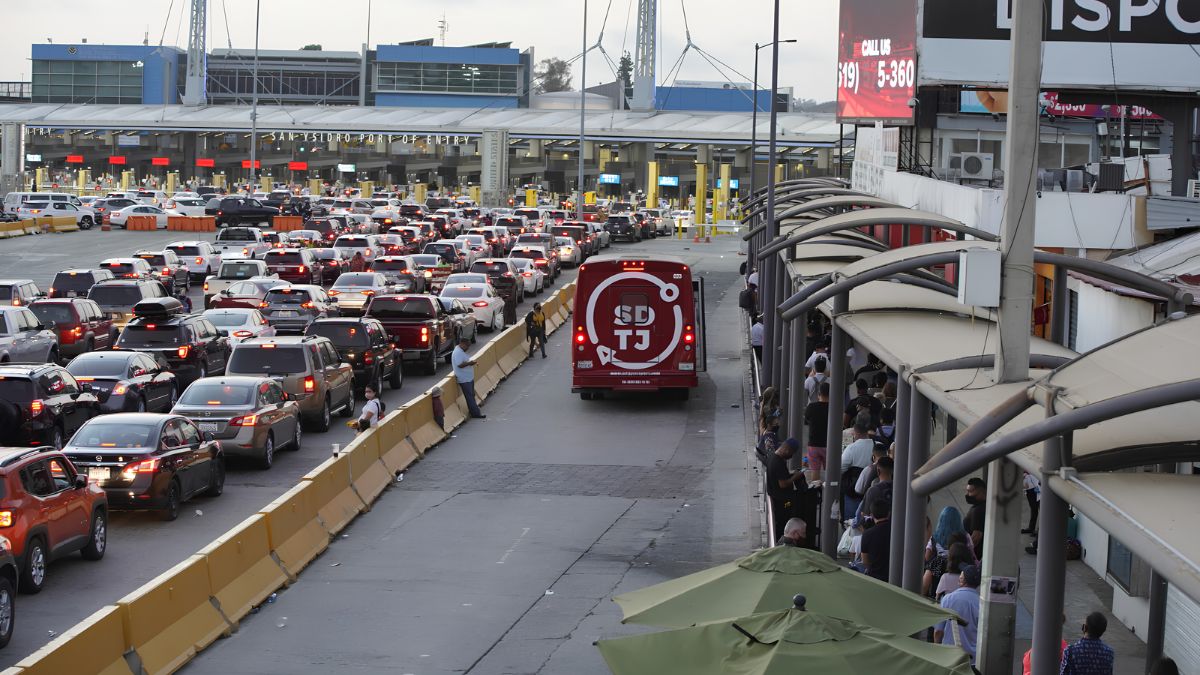
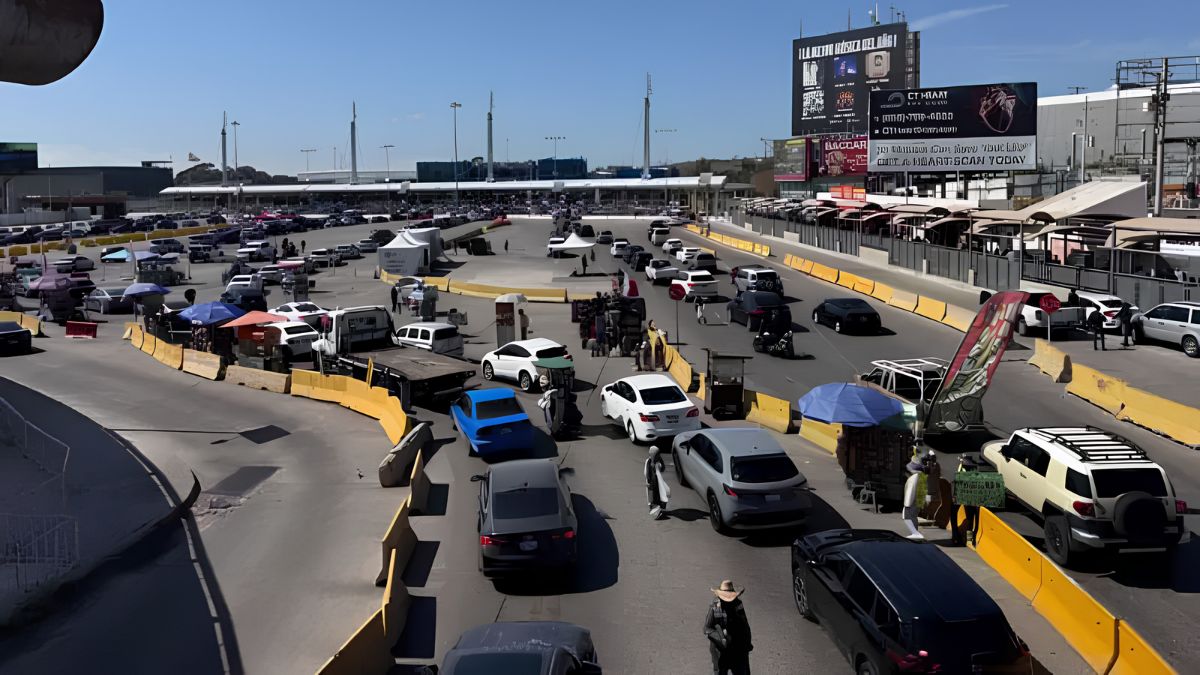
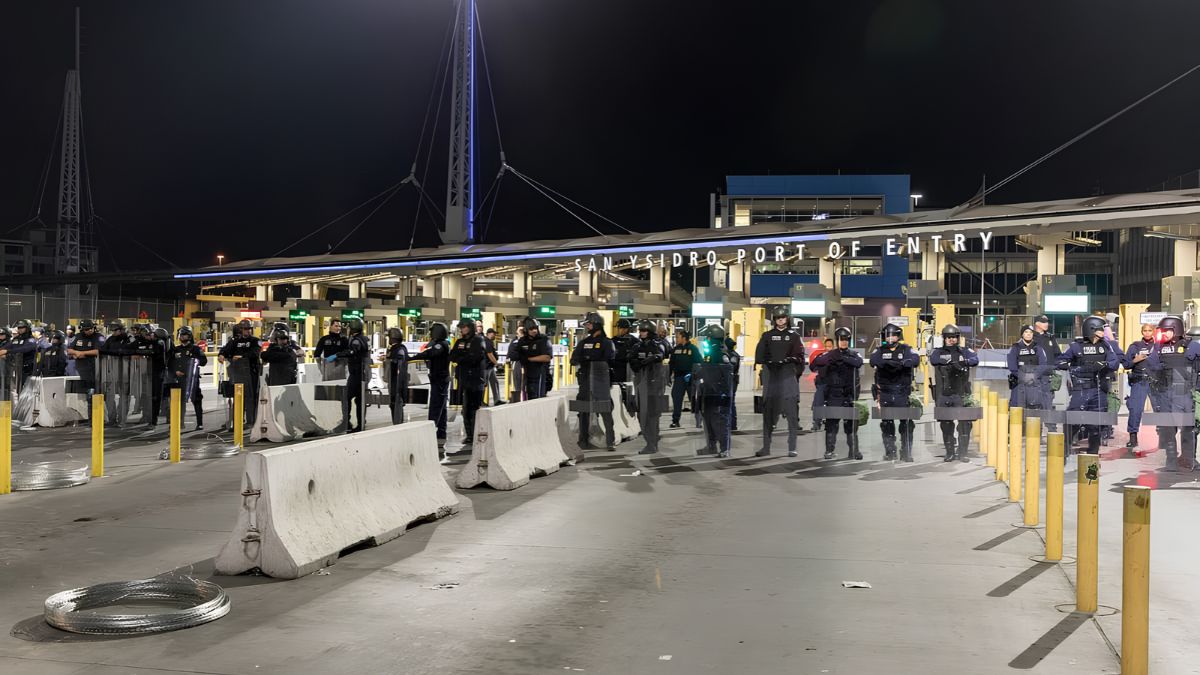
The international border is an important part of airport planning for people travelling between San Diego and Tijuana. Travellers need to understand whether their chosen route requires them to enter Mexico, return to the United States, or use a designated cross-border facility.
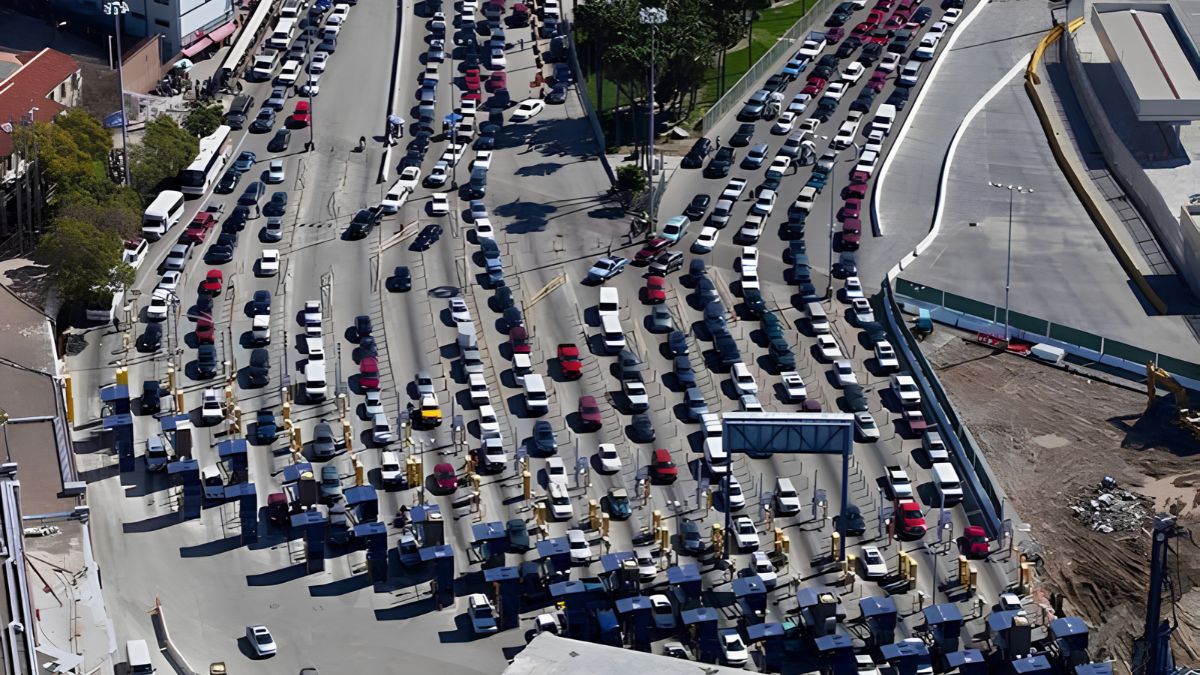
Border waiting times can change considerably according to the time of day, traffic volume, staffing, and other operational factors. A journey that is manageable during one period may take substantially longer during another.
Travellers should check current border conditions before departure and avoid planning an international flight around an optimistic crossing estimate. When a flight is involved, a delay at the border can be more consequential than a similar delay on an ordinary local trip.
Documentation is equally important. Entry requirements depend on nationality, immigration status, destination, and the type of travel document held. Travellers should verify which documents are required for entry into Mexico and re-entry into the United States, where applicable.
Official information from U.S. Customs and Border Protection can help travellers understand U.S. entry procedures and relevant travel requirements. Mexican entry requirements should also be checked through the appropriate official Mexican government resources.
Travellers should not assume that a driver’s licence, residence card, or other domestic identification is sufficient for an international journey. Requirements can differ based on individual circumstances, so confirming them before leaving is essential.
Cross Border
One option for eligible passengers travelling between Tijuana and San Diego International Airport is the Cross Border Xpress, commonly known as CBX. This facility connects the Tijuana International Airport terminal with a dedicated pedestrian bridge leading to the United States side of the border.
CBX is not a separate airport. It is a cross-border terminal connection designed for eligible passengers using Tijuana International Airport. Travellers generally need a valid flight itinerary and the required travel documents, and they must comply with the facility’s current eligibility and ticketing rules.
For some passengers, CBX can provide a more direct way to connect with Tijuana airport without using a conventional land border crossing into central Tijuana. However, it is not automatically the best option for every traveller.
The additional ticket cost, ground transportation to the San Diego-side terminal, operating hours, and flight arrangements should be considered before choosing this route. Travellers should also confirm whether their particular itinerary qualifies for CBX access.
Official information, eligibility details, ticketing guidance, and operating updates are available through the Cross Border Xpress website.
It is important to distinguish between using CBX to reach Tijuana International Airport and travelling directly to San Diego International Airport. They are different arrangements and should not be treated as interchangeable.
Timing
Timing can determine whether an airport connection is convenient or stressful. Travellers should plan backward from the airline’s recommended airport arrival time rather than estimating when they need to leave home based only on the distance.
A useful calculation includes the expected ground transportation time, potential traffic delays, border processing where relevant, airport check-in, baggage drop, and security screening.
For example, someone departing from Tijuana International Airport after travelling from San Ysidro should account for the journey to the airport and any border procedures required by the chosen route. A traveller departing from San Diego International Airport should allow enough time for the trip north, airport access, and the airline’s check-in requirements.
These calculations should use current information. Traffic conditions, border wait times, public transportation schedules, and airport procedures can change, so a travel plan made several weeks in advance should be reviewed again shortly before departure.
Early departures deserve particular attention because fewer transportation services may be operating. Late arrivals can also create difficulties if a traveller needs to collect luggage, cross the border, or connect to another service.
For international flights, travellers should follow the airline’s specific check-in and arrival guidance. A general rule of thumb should not replace instructions for a particular flight.
Costs
The lowest advertised airfare does not always produce the lowest overall travel cost. A meaningful comparison should include all transportation and border-related expenses associated with the journey.
Travellers can compare the main options using a simple checklist.
| Expense | San Diego International Airport | Tijuana International Airport |
|---|---|---|
| Ground transportation | Travel north from San Ysidro | Travel to the airport in Tijuana |
| Parking | Compare airport and off-site rates | Check available airport parking |
| Border expenses | Depends on route and circumstances | Depends on route and circumstances |
| Additional facility fees | Check applicable transport charges | CBX charges may apply if using the facility |
| Flight cost | Compare fares and baggage fees | Compare fares and baggage fees |
| Overnight accommodation | Consider if the schedule requires it | Consider if the schedule requires it |
Actual costs depend on the itinerary, transport method, travel dates, and individual circumstances. The table is intended as a planning guide, not a statement of current prices.
For families or groups, shared ground transportation may reduce the per-person cost. Solo travellers may find public transportation more economical, provided that the schedule and luggage requirements are manageable.
Parking costs should also be considered when leaving a vehicle at the airport for several days. Travellers should compare official airport parking with reputable alternatives and account for transfer times between parking locations and terminals.
Preparation
A reliable airport connection begins with confirming the details before departure. Travellers should check their flight status, terminal information, transportation arrangements, and required travel documents.
It is also sensible to keep airline confirmation details and important documents accessible. A charged mobile phone, offline copies of essential information, and a backup transportation plan can be useful if connectivity or service availability changes.
Travellers carrying medication, specialised equipment, or several bags should confirm any airline restrictions and assess whether their planned transportation can accommodate them. Those travelling with children or people who need mobility assistance may require additional time or specific arrangements.
If a flight is particularly important, consider the consequences of missing it. A small saving on transportation may not justify a route with multiple transfers or uncertain border timing. Choosing a more predictable option can be reasonable when the cost of a delay is high.
Planning
For people travelling from San Ysidro, selecting the right airport connection requires balancing convenience, total cost, border procedures, and the destination of the flight. San Diego International Airport may suit travellers flying from the United States, while Tijuana International Airport may be more practical for many destinations within Mexico. CBX can provide another option for eligible passengers using Tijuana airport.
The most appropriate choice depends on the complete itinerary rather than distance or airfare alone. Checking official transportation schedules, confirming travel documentation, comparing total costs, and allowing a realistic time buffer can help reduce avoidable problems.
With careful preparation, travellers can make informed decisions about how to get from San Ysidro to their chosen airport and begin their journey with a clearer understanding of the time, cost, and requirements involved.
FAQs
Which airports can San Ysidro travellers use?
The main options are San Diego International Airport and Tijuana International Airport.
What is the Cross Border Xpress?
CBX is a pedestrian bridge connecting eligible Tijuana airport passengers with the United States.
Can travellers use public transportation to reach San Diego airport?
Yes. Travellers can combine regional transit services, but should check current routes and schedules.
Should I allow extra time for border crossings?
Yes. Border waits vary, so include a buffer when planning airport connections.
How can I reduce airport transfer costs?
Compare fares, transit options, parking, baggage fees, and any border facility charges.