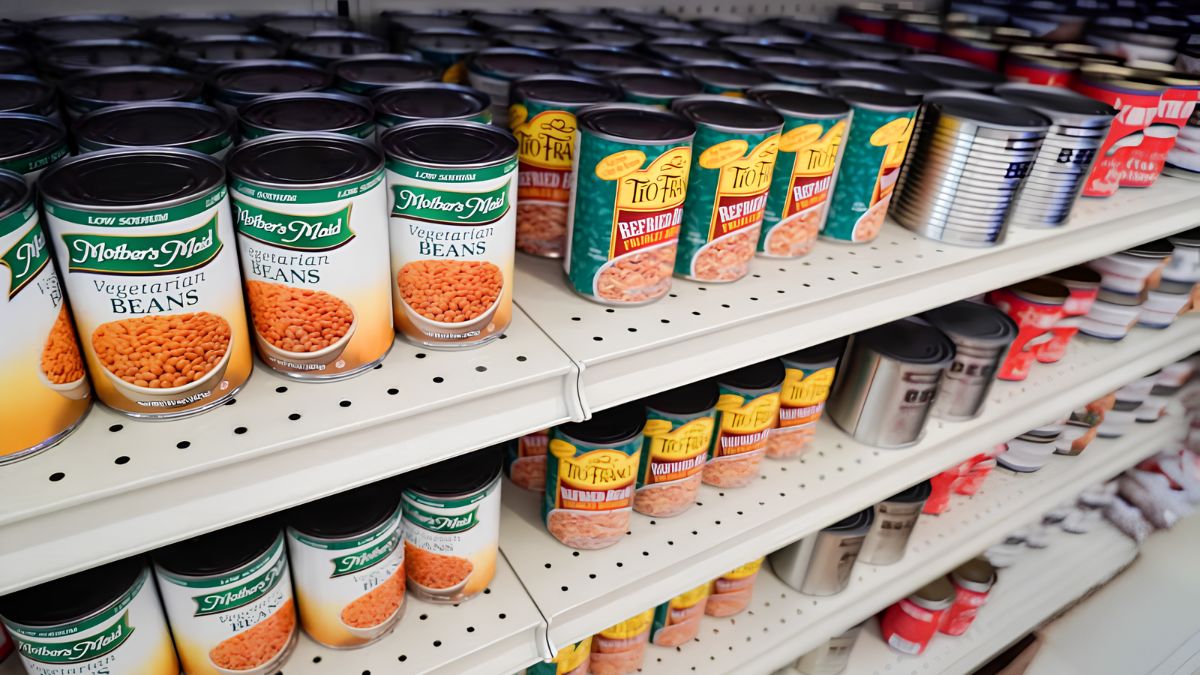
Packaged foods with Spanish-language labels are common in many stores serving San Ysidro, California, where shoppers may encounter products manufactured in Mexico, the United States, and other countries. These products can offer familiar ingredients, regional flavours, and different preparation styles. However, shoppers should understand how to read the information on the package before deciding what to buy.
A Spanish-language label can provide useful details about ingredients, allergens, serving sizes, storage instructions, and expiration dates. Yet the wording, date formats, and nutritional information may differ from what shoppers usually see on products sold elsewhere. Some packages may also include bilingual information, imported-product stickers, or additional details supplied by a US distributor.
For shoppers in San Ysidro, the goal is not to avoid products with foreign-language labels. It is to make informed purchasing decisions by checking the information available, knowing important Spanish terms, and recognising when additional clarification is needed.
Labels
Food labels help shoppers know what a product contains, how it should be stored, and whether it suits their dietary needs. When reading a Spanish-language package, begin by identifying the product name, ingredient list, nutrition information, allergen statements, and instructions for storage or preparation.
Common Spanish terms include ingredientes for ingredients, información nutricional for nutrition information, porción for serving, contiene for contains, and manténgase refrigerado for keep refrigerated.
Other useful terms include fecha de caducidad or fecha de vencimiento, which can refer to an expiration date, and consumir preferentemente antes de, which generally indicates a best-before date. The exact wording and meaning can vary by product and country.
Shoppers should also check whether the package has been relabelled for sale in the United States. Imported products may carry an additional sticker that translates important information or provides details about the US importer or distributor.
A translated sticker can be useful, but it should be readable and should not obscure essential product information. If important details appear incomplete, damaged, or inconsistent, shoppers can ask the retailer for clarification before purchasing the item.
Ingredients
The ingredient list is particularly important for shoppers managing allergies, dietary restrictions, or specific food preferences.
Spanish-language ingredient lists often use terms that are easy to recognise, such as agua for water, azúcar for sugar, sal for salt, and aceite vegetal for vegetable oil. Other ingredients may have technical or regional names that are less familiar.
For example, harina de maíz means corn flour, while leche en polvo means powdered milk. Suero de leche generally refers to whey, a milk-derived ingredient. These distinctions can matter to shoppers avoiding dairy or particular ingredients.
Ingredients are generally listed in descending order by weight under US food labelling rules, subject to applicable requirements and exceptions. This means ingredients appearing near the beginning of the list often make up a larger share of the product.
However, a short ingredient list does not automatically mean a food is healthier, and a long list does not necessarily mean it is unsuitable. The ingredients should be evaluated in relation to the product, portion size, and individual dietary needs.
Shoppers should pay particular attention to ingredient names they do not recognise. If a term is unclear, a reliable translation or clarification from the manufacturer can help prevent misunderstandings.
Allergens
Allergen information deserves careful attention, particularly for shoppers who have food allergies or purchase products for children and other family members.
In the United States, federal food labelling requirements identify major food allergens in covered packaged foods. These include milk, eggs, fish, crustacean shellfish, tree nuts, peanuts, wheat, soybeans, and sesame.
Spanish-language labels may identify these ingredients using terms such as leche for milk, huevo for egg, trigo for wheat, cacahuate or maní for peanut, and soya for soy. Tree nuts may be described as frutos secos or by the specific nut name, depending on the product and region.
A shopper should not rely on a single translated word when evaluating a serious allergy. Ingredient names, manufacturing statements, and precautionary warnings should all be reviewed carefully.
For example, a product may contain milk-derived ingredients even when its main ingredient is a plant-based food. Similarly, a packaged snack may include sesame or nuts in a seasoning mixture rather than as a main ingredient.
If the package does not provide enough information to establish whether a product is safe, do not guess. Contact the manufacturer or choose a product with clear, suitable allergen information.
The US Food and Drug Administration (FDA) provides official guidance on food labelling and nutrition information.
Nutrition
Nutrition information helps shoppers compare products and understand how a serving contributes to their overall diet.
On US-regulated packaged foods, the Nutrition Facts label generally provides information such as serving size, calories, total fat, sodium, carbohydrates, sugars, protein, and selected vitamins and minerals. Imported products may display a different nutrition panel or additional information based on the country where they were produced.
Spanish terms commonly found on nutrition labels include:
- Calorías – calories.
- Grasa total – total fat.
- Grasa saturada – saturated fat.
- Carbohidratos totales – total carbohydrates.
- Azúcares añadidos – added sugars.
- Sodio – sodium.
- Proteína – protein.
- Fibra dietética – dietary fibre.
Serving size is one of the most important details to check. A package may contain multiple servings even if it looks like a single snack or meal. Eating the entire package can therefore provide substantially more calories, sodium, or sugar than the amount shown for one serving.
Shoppers should also distinguish between total sugars and added sugars when that information is provided. Total sugars include naturally occurring sugars as well as added sugars, while added sugars refer to sugars incorporated during processing or preparation.
Comparing similar products using the same serving size can make shopping decisions more straightforward. For example, shoppers comparing two packaged soups can check sodium per serving rather than relying on the front-of-package claims alone.
The FDA’s Nutrition Facts Label guide explains how to interpret nutrition information on covered US food products.
Dates
Date markings can be confusing when shoppers purchase packaged foods originating in different countries. Spanish-language packages may use several expressions to communicate freshness, quality, or the period during which a product is expected to remain suitable.
Fecha de caducidad and fecha de vencimiento can indicate an expiration date, while consumir preferentemente antes de generally communicates a best-before date. However, the precise meaning depends on the product and the applicable country’s rules.
Shoppers should not assume that every date printed on a package has the same purpose. Some dates relate to product quality, while others may be associated with safety requirements or specific categories of food.
Date formats can also vary. A date written as day-month-year may be misread by someone accustomed to month-day-year formatting. Check the surrounding wording and, if necessary, ask the retailer or manufacturer to confirm the intended date.
Inspect the package for additional concerns, including broken seals, swollen cans, damaged packaging, leaks, or signs that a refrigerated product has been stored improperly. A date marking alone cannot establish that food has been handled safely.
For products requiring refrigeration or freezing, follow the stated storage instructions. If a package has been left at an unsafe temperature or shows signs of spoilage, do not rely on its printed date as proof that it remains suitable to eat.
Storage
Storage instructions are especially important for dairy products, meat, seafood, prepared meals, and other foods that may require temperature control.
Spanish-language packages may use phrases such as manténgase refrigerado for keep refrigerated, manténgase congelado for keep frozen, and una vez abierto, refrigérese for refrigerate after opening.
These instructions help shoppers understand how to handle food after purchasing it. A product that is safe when properly refrigerated may become unsafe if left in a warm vehicle or stored at room temperature for too long.
When shopping in San Ysidro, consider the distance between the store and home. If the journey is long, refrigerated and frozen products should be purchased near the end of the shopping trip and transported appropriately.
At home, follow the package’s instructions and use suitable refrigeration or freezing. Do not assume that a product can remain unrefrigerated simply because it was displayed in a store aisle. Some shelf-stable foods and refrigerated foods look similar but have different storage requirements.
If a product’s storage instructions are missing, unclear, or covered by another label, ask the retailer for more information before buying it.
Imports
Products imported from Mexico or another country may have packaging designed for the market where they were originally manufactured. When these products are sold in the United States, applicable US food labelling requirements may also apply.
For many FDA-regulated packaged foods, required label information must be provided in English, although additional languages may also be used. Certain products are subject to different requirements or exceptions, and meat, poultry, and some egg products may fall under the jurisdiction of the US Department of Agriculture rather than the FDA.
This distinction is important because shoppers should not assume that every imported product follows exactly the same labelling rules.
Look for information identifying the product, its manufacturer or responsible distributor, and any necessary storage or preparation instructions. If the package contains an additional US-market label, check that the information is legible and appears consistent with the product.
An imported product is not automatically unsafe because its original packaging is in Spanish. Equally, attractive packaging or a familiar brand name does not guarantee that a product meets an individual’s dietary needs.
Consumers who notice missing information, suspected contamination, or potentially misleading labelling can seek guidance from the appropriate food safety authority.
The US Department of Agriculture’s Food Safety and Inspection Service provides official food safety guidance for meat, poultry, and certain egg products.
Shopping
A few practical habits can make shopping with Spanish-language labels easier without adding significant time to the trip.
First, compare the information on the package rather than relying entirely on advertising claims. Terms such as natural, tradicional, or sin conservadores may describe aspects of a product, but shoppers should still review the ingredients and nutrition information.
Second, use a reliable translation tool when an ingredient or instruction is unfamiliar. For shoppers with serious allergies, however, automated translation should not replace confirmation from the manufacturer or another reliable source.
Third, compare unit prices when evaluating different package sizes. A larger package may cost less per unit, but only if the household can use the product before its quality declines or its storage period becomes a concern.
Finally, consider the purpose of the purchase. Someone buying a snack may prioritise serving size and allergens, while a shopper purchasing ingredients for a family meal may need to focus on preparation instructions, storage requirements, and the amount needed.
Retail staff can also help locate translated information or contact details for the manufacturer. If essential product details remain uncertain, choosing a clearly labelled alternative is a reasonable option.
Decisions
Reading Spanish-language food labels is a practical skill that can help shoppers make informed decisions about ingredients, nutrition, freshness, and storage. In San Ysidro, where consumers may encounter products from different markets, understanding common Spanish terms can make grocery shopping more accessible and efficient.
The most useful approach is to check the ingredient list, review allergen statements, compare nutrition information, interpret date markings carefully, and follow storage instructions. Shoppers should also recognise that different products may fall under different US regulatory requirements.
A foreign-language label does not automatically indicate a problem, and a translated label should not be treated as a guarantee of suitability. When important information is missing or unclear, checking with the retailer, manufacturer, or appropriate government authority is the safest course. These straightforward habits can help consumers choose packaged foods that better match their needs and preferences.
FAQs
What does ingredientes mean on a food label?
Ingredientes means ingredients and identifies the components used in the product.
What does manténgase refrigerado mean?
It means keep refrigerated. Follow the product’s storage instructions.
How can I identify allergens on Spanish labels?
Check ingredient names and allergen statements, and contact the manufacturer if uncertain.
Are Spanish-language food labels permitted in the US?
Additional languages are generally permitted, but applicable US labelling requirements still apply.
What should I check before buying imported packaged food?
Review ingredients, allergens, nutrition facts, dates, packaging condition, and storage instructions.