Choosing between frozen, refrigerated and shelf-stable foods can make a noticeable difference to your grocery budget, meal planning and food safety. In San Ysidro, where shoppers may compare products at supermarkets, neighborhood stores and cross-border shopping destinations, knowing these categories can help you make more informed decisions. The lowest-priced product is not always the best value, and a longer expiration date does not automatically mean a food is safer or more nutritious.
Each storage category has its own advantages. Frozen foods can offer convenience and a longer storage life, refrigerated products often provide freshness and ready-to-eat options, and shelf-stable foods can be useful for stocking a pantry. The key is knowing what to look for on the package, how to transport groceries safely and how quickly you plan to use what you buy.
Basics
Food storage categories describe the conditions needed to maintain a product’s quality and safety. They also influence how long food can be stored, how it should be transported and whether it needs special handling after purchase.
Frozen foods must remain frozen to preserve their intended condition. Common examples include vegetables, fruit, meat, seafood, prepared meals and some bakery products. Freezing slows the growth of microorganisms, although it does not necessarily destroy harmful bacteria. Once food thaws, safe handling becomes important.
Refrigerated foods require cold storage, usually in a refrigerator. Milk, yogurt, cheese, fresh meat, certain prepared salads and many ready-to-eat products fall into this category. These foods may have a shorter storage life than frozen alternatives, so shoppers should pay attention to package dates and storage instructions.
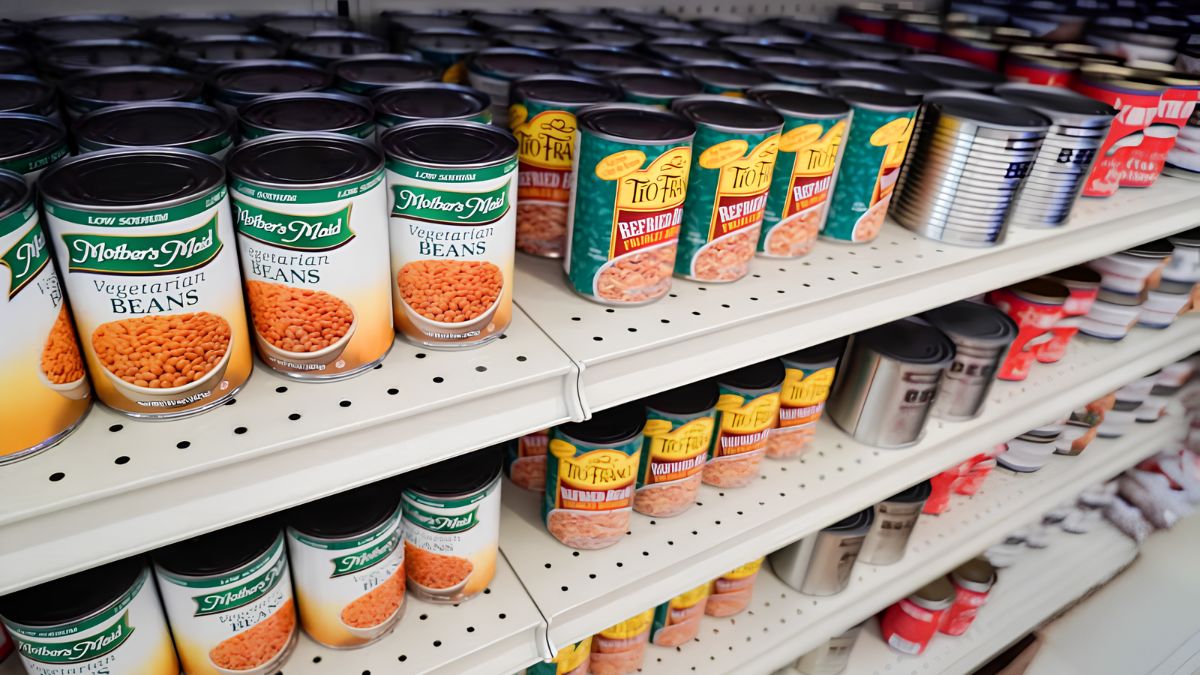
Shelf-stable foods can generally be stored unopened at room temperature when the package remains intact and the product is kept under the conditions stated on the label. Examples include canned beans, dry pasta, rice, crackers, some shelf-stable milk products and certain packaged sauces. After opening, many of these foods require refrigeration.
Knowing these differences helps you avoid treating every packaged product the same way.
Comparison
The best category depends on how you intend to use the food, the space available at home and the time between shopping and eating.
| Factor | Frozen foods | Refrigerated foods | Shelf-stable foods |
|---|---|---|---|
| Storage | Freezer | Refrigerator | Pantry or cupboard, if label permits |
| Typical examples | Frozen vegetables, meat, fruit | Milk, yogurt, fresh meat | Rice, pasta, canned beans |
| Convenience | Useful for planned meals | Often ready for quick use | Easy to keep on hand |
| Storage life | Often longer when continuously frozen | Usually more limited | Often longer unopened |
| Main concern | Thawing and refreezing | Maintaining cold temperatures | Damaged packaging or improper storage |
| After opening | Follow package directions | Keep refrigerated as directed | Refrigerate if the label requires it |
| Best use | Batch cooking and reducing some food waste | Fresh meals and short-term use | Pantry staples and emergency supplies |
These are general comparisons rather than guarantees. Storage periods vary considerably by food type, processing method, packaging and temperature. Always follow the manufacturer’s instructions.
Labels
Reading labels is one of the most useful habits when comparing products in San Ysidro. Packaging may feature Spanish, English or both, and the wording can help you identify storage requirements before placing an item in your cart.
Look for terms such as manténgase congelado (keep frozen), manténgase refrigerado (keep refrigerated), refrigerar después de abrir (refrigerate after opening) and conservar en un lugar fresco y seco (store in a cool, dry place).
Do not rely on a product’s location in the store alone. Some beverages, dairy alternatives and packaged meals can be sold at room temperature because of their processing and packaging, while similar products may require refrigeration. The label is the better guide.
Check the date information, too. In the United States, phrases such as “Best if Used By” generally indicate quality rather than a universal safety deadline. However, wording and requirements can differ by product, and infant formula has specific rules. For perishable foods, a date should never replace proper temperature control or a check for signs of spoilage.
Also inspect the ingredient list, allergen statement, serving size and nutrition information. If you are comparing two versions of the same product, make sure you compare equivalent serving sizes. A package that looks cheaper may contain fewer servings or have a different amount of food.
Pricing
Comparing unit prices is a practical way to determine whether frozen, refrigerated or shelf-stable food offers the best value. A larger package may cost more at checkout but less per ounce, gram or pound. That saving matters only if you can store and use the food before its quality declines.
Consider a hypothetical shopping comparison:
| Product | Package size | Price | Approximate price per pound |
|---|---|---|---|
| Frozen vegetables | 16 oz | $2.00 | $2.00 |
| Refrigerated fresh vegetables | 12 oz | $2.40 | $3.20 |
| Canned vegetables | 15 oz | $1.20 | $1.28 |
These figures are examples, not current prices at San Ysidro stores. They also do not account for draining liquid, edible yield or differences in ingredients. A canned product may include added sodium, while frozen vegetables may contain only vegetables or may come with sauces and seasonings. Check the ingredient list before deciding which option offers the best overall value.
Think about waste as well. Fresh produce can become unusable if you buy more than your household can eat. Frozen vegetables may allow you to use only the portion needed for a meal, while canned products can be convenient when a recipe calls for a specific amount. Once opened, however, canned food may need to be transferred to suitable storage and refrigerated according to food safety guidance.
Nutrition
Frozen food is not automatically less nutritious than fresh food, and shelf-stable food is not automatically less healthy. The nutritional value depends on the food itself, how it was processed and what was added.
Frozen fruits and vegetables are often processed soon after harvest. Plain varieties can provide useful amounts of fiber, vitamins and minerals. When shopping, compare products with sauces, butter, salt or added sugar against simpler alternatives.
Refrigerated foods offer a wide range of nutritional choices, from plain yogurt and milk to prepared meals and snacks. Check the nutrition label for saturated fat, sodium, added sugars and protein, depending on your dietary priorities. Fresh appearance alone does not tell you everything about nutritional quality.
Shelf-stable options can also fit into a balanced diet. Beans, lentils, oats, nuts, whole-grain pasta and canned fish can provide protein, fiber or other essential nutrients. For canned vegetables, comparing sodium levels and choosing no-salt-added or lower-sodium varieties may be helpful. Draining and rinsing some canned foods can reduce sodium, although the amount varies.
The most useful approach is to compare similar products rather than judging them solely by storage category. A plain frozen vegetable may be a better everyday option than a refrigerated side dish with a rich sauce, while a canned bean product can be a convenient source of protein.
Safety
Food safety is particularly important when shopping involves several stops, a long checkout line or travel between stores. Refrigerated and frozen products should be among the last items you select so they spend less time outside temperature-controlled storage.
For perishable groceries, the U.S. Food and Drug Administration advises keeping the refrigerator at or below 40°F (4°C) and the freezer at 0°F (-18°C). Use insulated bags or a cooler with adequate ice packs if you cannot get home promptly. During hot weather, avoid leaving groceries in a parked vehicle, where temperatures can rise quickly.
Keep raw meat, poultry and seafood separated from foods that will be eaten without cooking. Place packages in separate bags or containers to prevent leaking juices from contaminating other groceries. At home, refrigerate or freeze perishable items promptly rather than leaving them on the counter while you unpack everything else.
If frozen food has partially thawed, assess its condition carefully. Food that still contains ice crystals or has remained at 40°F (4°C) or below can generally be refrozen, although quality may decline. If a perishable product has been above safe refrigeration temperatures for too long, it may need to be discarded. Smell and appearance alone cannot reliably establish safety.
For shelf-stable foods, check for damaged cans, broken seals, leaking packages, unusual swelling or signs of contamination. Store products in a cool, dry place away from direct sunlight. Follow the label’s instructions after opening, because some products that are safe at room temperature while sealed become perishable once opened.
Transport
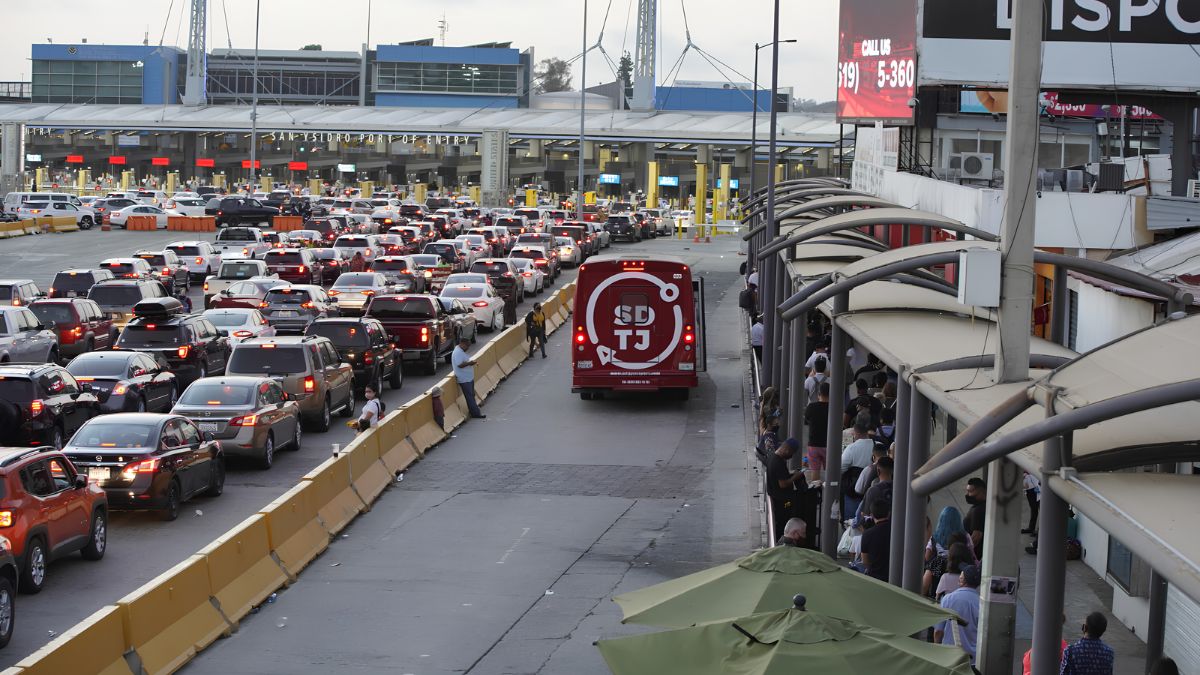
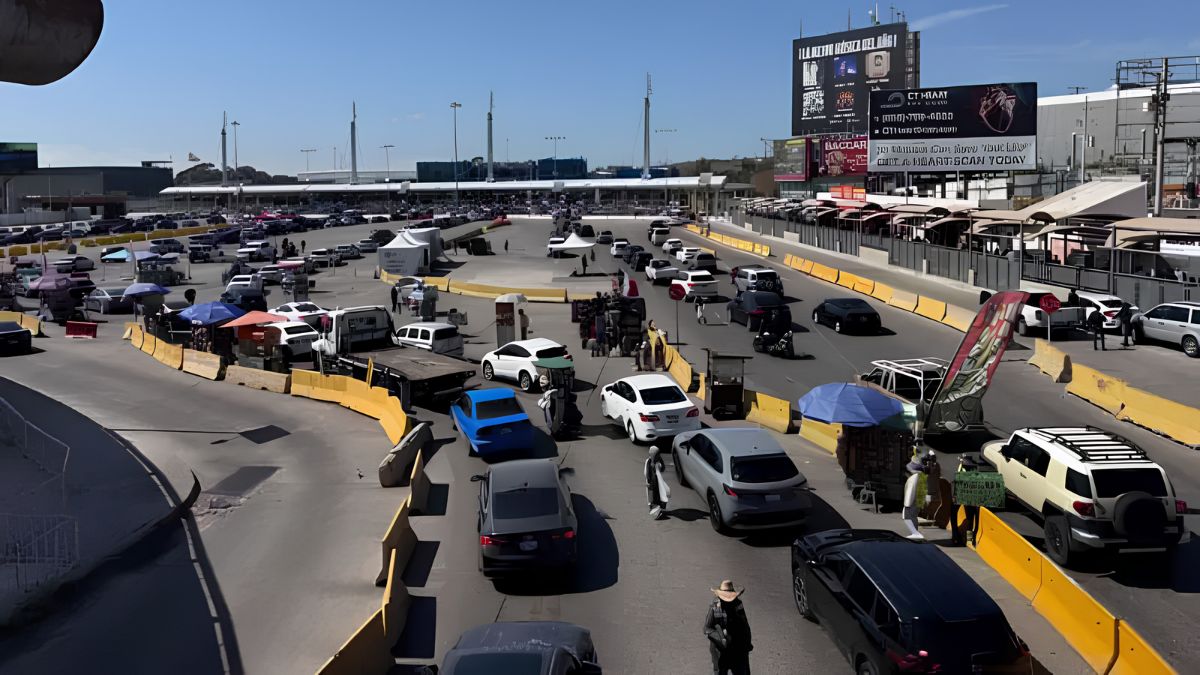
For shoppers in San Ysidro, planning the route home can be just as important as choosing the right product. If your shopping trip includes several stores or a cross-border journey, think about how long each food will remain outside a refrigerator or freezer.
Start with shelf-stable products such as dry pasta, rice, canned goods and sealed pantry items. Purchase refrigerated and frozen items near the end of the trip. If you are buying a substantial amount of frozen food, use a cooler designed to maintain low temperatures rather than relying on an ordinary shopping bag.
If your journey includes crossing an international border, check the current rules that apply to the foods you intend to carry. Requirements may differ for meat, dairy, fresh produce, plants and other agricultural products. A product available for sale in one country is not necessarily permitted to enter another country under every circumstance. Review official guidance before traveling rather than assuming all packaged foods can cross freely.
Also consider the destination. A frozen meal is useful only if you have access to a freezer soon after arriving. Refrigerated foods require a reliable cold chain, while shelf-stable products are often easier to transport when unopened and stored according to their labels.
Planning
A balanced shopping list often includes all three categories. You do not need to choose one storage type for every meal. Instead, match products to your schedule and the facilities available at home.
A practical weekly plan might include shelf-stable oats, rice, pasta and canned beans for reliable pantry meals; frozen vegetables and fruit for flexible portions; and refrigerated milk, yogurt, eggs or fresh ingredients for meals planned within the next several days.
Before shopping, check what you already have. Buying another large package of a product you rarely use is not a saving, even if its unit price is low. Consider the number of people in your household, available freezer space and how often you cook. If you live in a smaller home or share a refrigerator, compact packages may be more useful than bulk purchases.
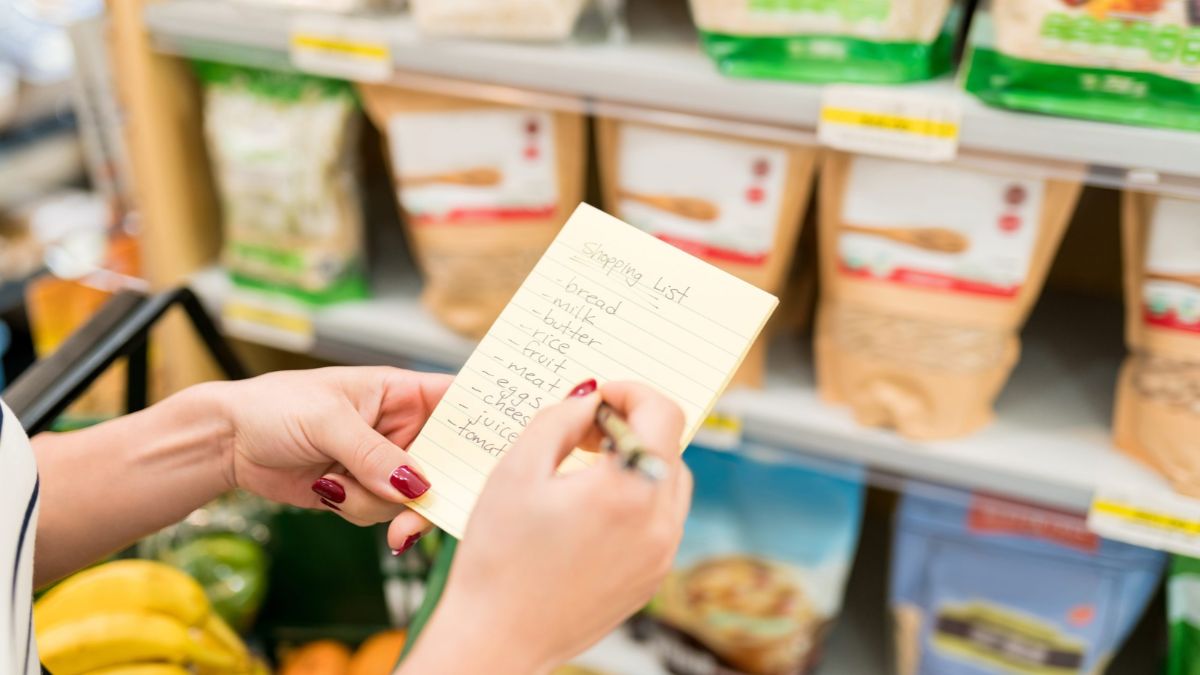
Finally, make a short list of meals you expect to prepare. If you plan to cook soup, for example, canned beans, shelf-stable broth and frozen vegetables may be practical choices. For a fresh salad you intend to eat soon, refrigerated ingredients may make more sense. The goal is to choose food that suits your needs while limiting unnecessary spending and waste.
Choosing between frozen, refrigerated and shelf-stable foods becomes easier when you compare storage requirements, unit prices, nutrition information and the time needed to get groceries home. In San Ysidro, checking package instructions and planning for transport can help you shop confidently, whether you are stocking a pantry, preparing meals for the week or purchasing food for a longer journey. The best choice is the one that fits your budget, remains safe under the conditions you can provide and is likely to be eaten rather than wasted.
Official Resources
- U.S. Food and Drug Administration: Food Safety
- U.S. Department of Agriculture: Food Safety and Inspection Service
- U.S. Customs and Border Protection: Know Before You Go
FAQs
Are frozen foods as nutritious as fresh foods?
Many frozen fruits and vegetables retain valuable nutrients.
Do shelf-stable foods need refrigeration?
Many need refrigeration after opening. Always check the label.
How can I compare grocery prices fairly?
Compare unit prices and check package size and ingredients.
How should I transport frozen groceries?
Use an insulated cooler with ice packs and limit travel time.
Can packaged foods cross the border?
Rules vary by food type. Check current official import requirements.