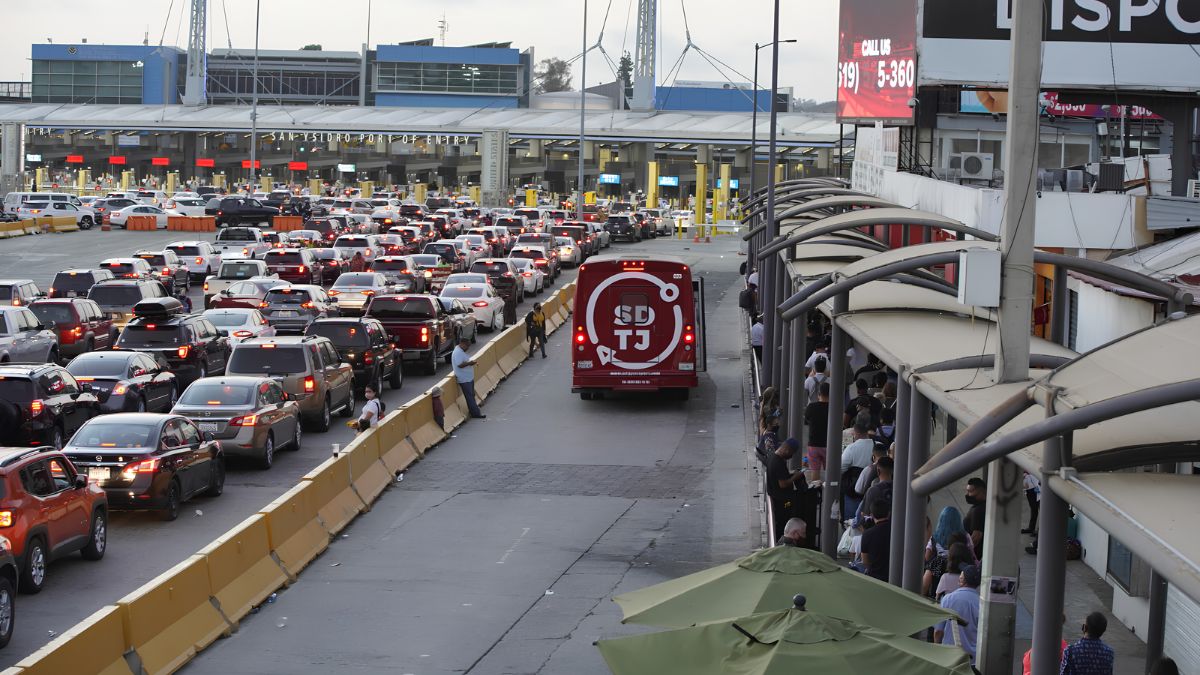
Renting a car for a trip involving San Ysidro and Tijuana can offer international visitors flexibility when travelling between Southern California and northern Mexico. A rental vehicle can make it easier to visit several destinations, carry luggage, reach accommodation outside central areas, and manage a schedule that does not fit public transportation.
However, driving between the United States and Mexico involves more than collecting a vehicle and following a navigation app. Rental agreements, insurance coverage, border-crossing permissions, driving licences, immigration documents, and vehicle return conditions can all affect the journey.
San Ysidro is a major border community south of San Diego, while Tijuana lies immediately across the international boundary in Mexico. Although the two areas are geographically close, they have different road regulations, insurance requirements, and border procedures. A rental vehicle permitted for use in California may not automatically be authorised for travel in Mexico.
International visitors can reduce uncertainty by confirming these details before booking. Knowing the rental company’s policies, checking official travel requirements, and choosing the right transportation arrangement can help travellers avoid unexpected costs and complications.
Documents
Before reserving a rental car, international visitors should confirm which identification and driving documents the rental company requires.
A valid driving licence issued by the visitor’s home country is generally an important starting point. However, acceptance policies can differ between rental companies, and some may require an International Driving Permit (IDP) in addition to the original licence. An IDP is a translation of driving credentials, not a replacement for the original licence.
Visitors should check the rules that apply to their nationality, licence, intended destination, and rental provider. Travellers whose licences use a different alphabet may face additional documentation requirements, depending on the company and local regulations.
A passport or other accepted identification may also be required when collecting the vehicle. Rental companies commonly ask for a payment card in the driver’s name, and some impose age-related restrictions or additional charges for younger drivers.
Before travelling, confirm the following:
- The original driving licence is valid for the intended rental period.
- The rental company accepts the licence issued by the visitor’s home country.
- An International Driving Permit is obtained if required.
- The driver’s name matches the booking and payment documentation.
- Any additional drivers meet the company’s requirements.
- Passport, visa, and entry documentation are valid for the planned itinerary.
Requirements can differ depending on whether the visitor is entering the United States, entering Mexico, or returning to the country where the trip began. Checking documentation requirements before departure is more reliable than assuming the same rules apply to every traveller.
Permission
One of the most important questions is whether the rental company permits its vehicles to cross the United States-Mexico border.
A standard rental agreement may allow driving within the United States but restrict travel into Mexico. Some companies offer specific arrangements for cross-border travel, while others prohibit it for particular vehicle classes, rental locations, or itineraries.
Visitors should never assume that permission to rent a car in San Diego automatically includes permission to drive it into Tijuana. The same principle applies to vehicles collected in Mexico that a traveller intends to drive into the United States.
Before booking, ask the rental provider to confirm the following in writing:
- Whether the specific vehicle can be driven into Mexico.
- Whether advance notice or additional documentation is required.
- Whether Mexican insurance must be purchased through the company.
- Whether roadside assistance applies across the border.
- Whether the vehicle can be returned to its original rental location.
- Whether any restrictions apply to the intended route or destination.
Keep a copy of the agreement and any written confirmation with the rental documents. If a problem arises during the trip, these records can help clarify the conditions agreed upon at the time of booking.
Visitors should also distinguish between a rental company’s permission and government entry requirements. Even when a company authorises cross-border travel, the driver must still comply with applicable immigration, customs, vehicle, and insurance rules.
Insurance
Insurance deserves particular attention when a rental car will be driven in Mexico. Coverage provided through a credit card, a travel insurance policy, or a standard US rental agreement should not be assumed to satisfy Mexican requirements.
Mexico has its own insurance rules, and visitors driving a foreign-registered vehicle should verify the applicable requirements before crossing the border. Mexican liability insurance may be required, and additional coverage may be appropriate depending on the vehicle, destination, and travel circumstances.
A policy that covers damage to the rental vehicle is not necessarily the same as third-party liability insurance. Similarly, coverage for theft, medical expenses, roadside assistance, and damage to another vehicle may be governed by separate terms.
Before accepting any insurance arrangement, ask the provider:
- Does the policy explicitly cover driving in Mexico?
- Is third-party liability coverage included?
- Are collision damage and theft covered?
- Does coverage apply to the specific rental vehicle and all authorised drivers?
- Are there exclusions for particular roads, destinations, or types of use?
- What deductible or excess applies if a claim is made?
- Is roadside assistance available on both sides of the border?
Visitors should obtain policy documentation and review its exclusions rather than relying solely on verbal assurances.
Official information from the U.S. Department of State’s Mexico travel guidance can help visitors review safety considerations and travel information before their trip. Travellers should also consult the relevant Mexican authorities and their insurer for requirements specific to their circumstances.
Border
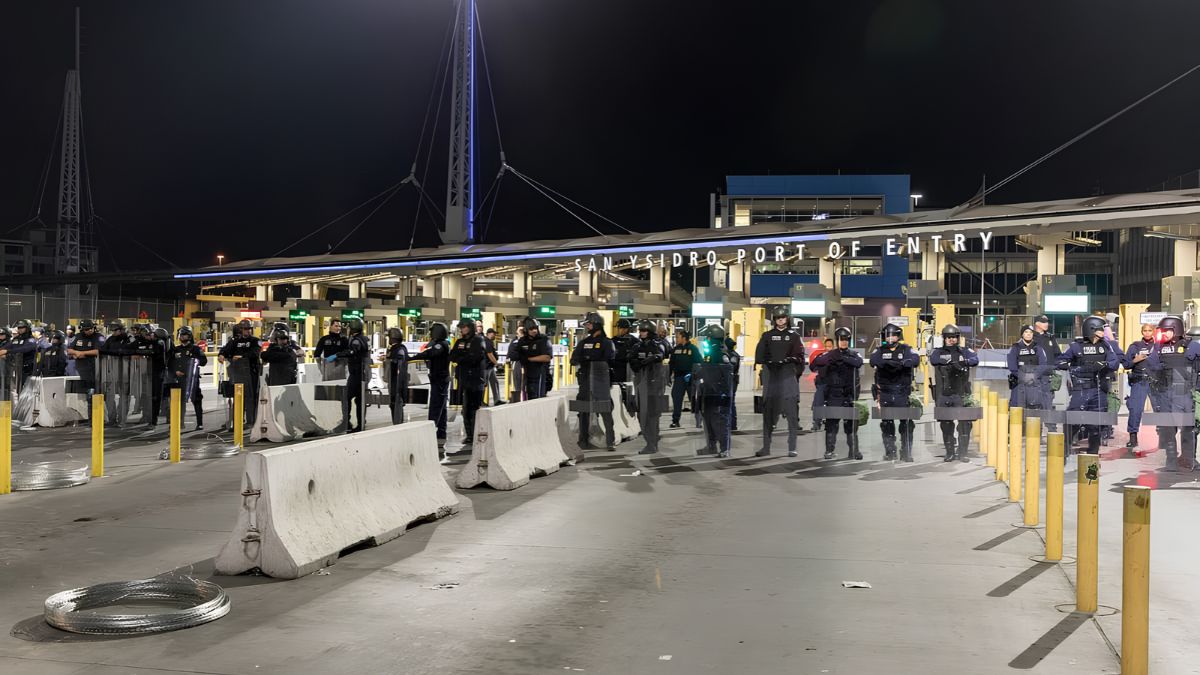
Crossing between San Ysidro and Tijuana involves formal entry and exit procedures. The appropriate process depends on the traveller’s nationality, immigration status, destination, and planned length of stay.
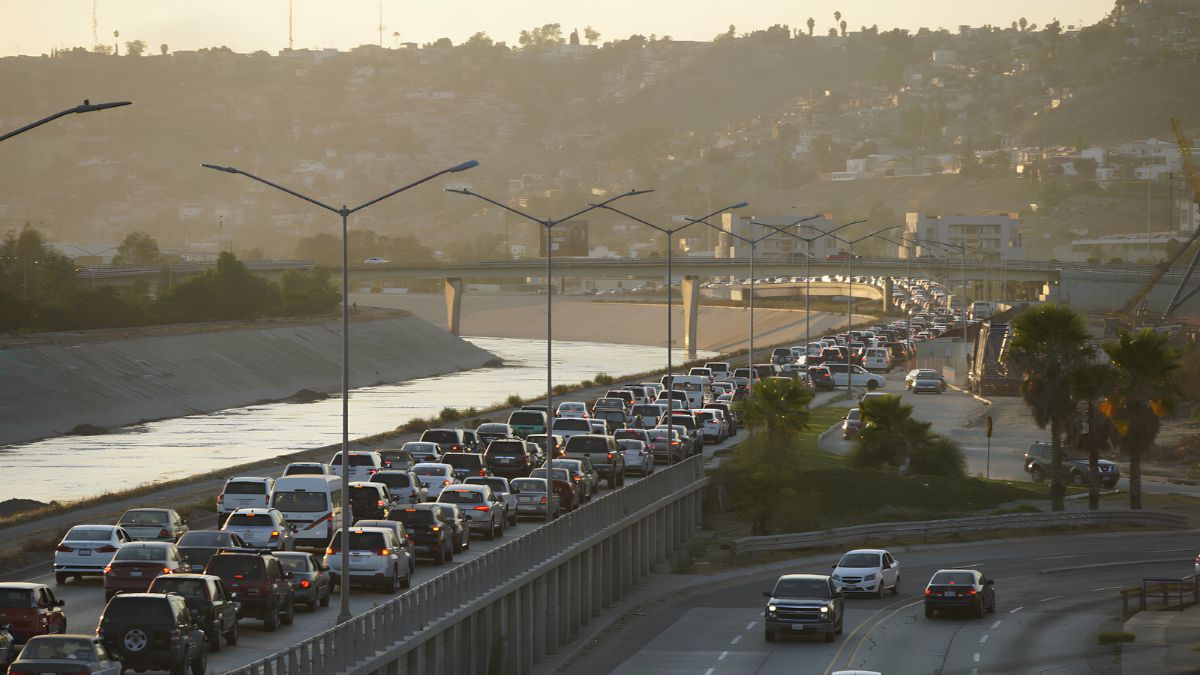
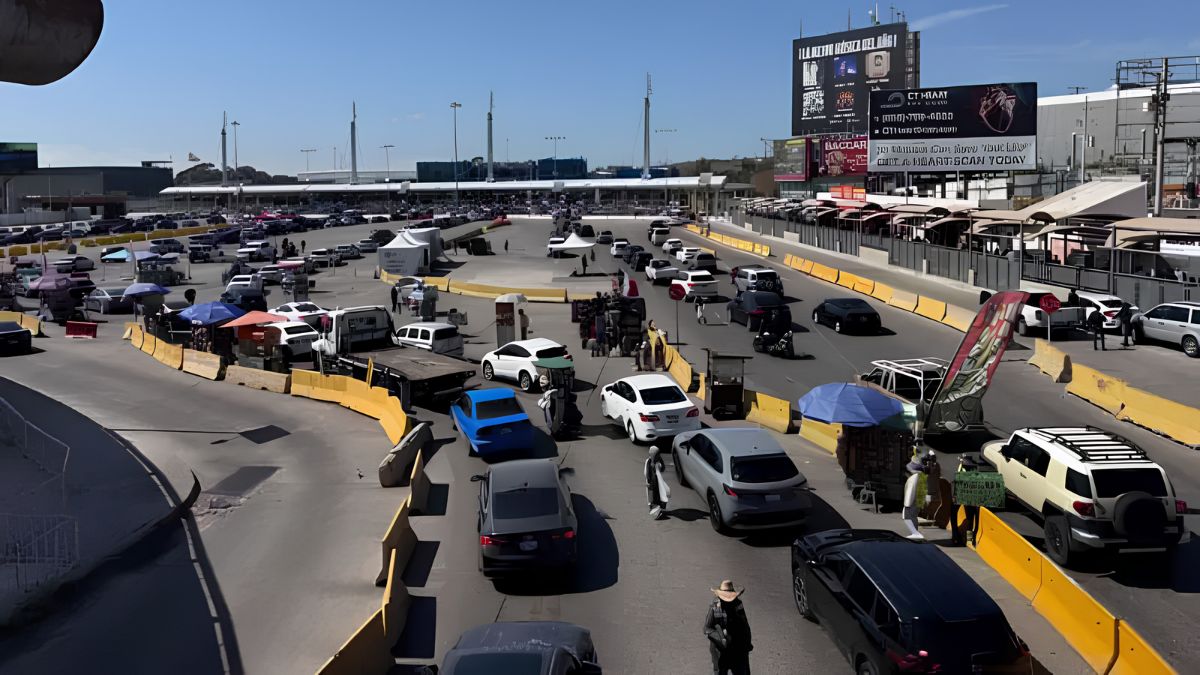
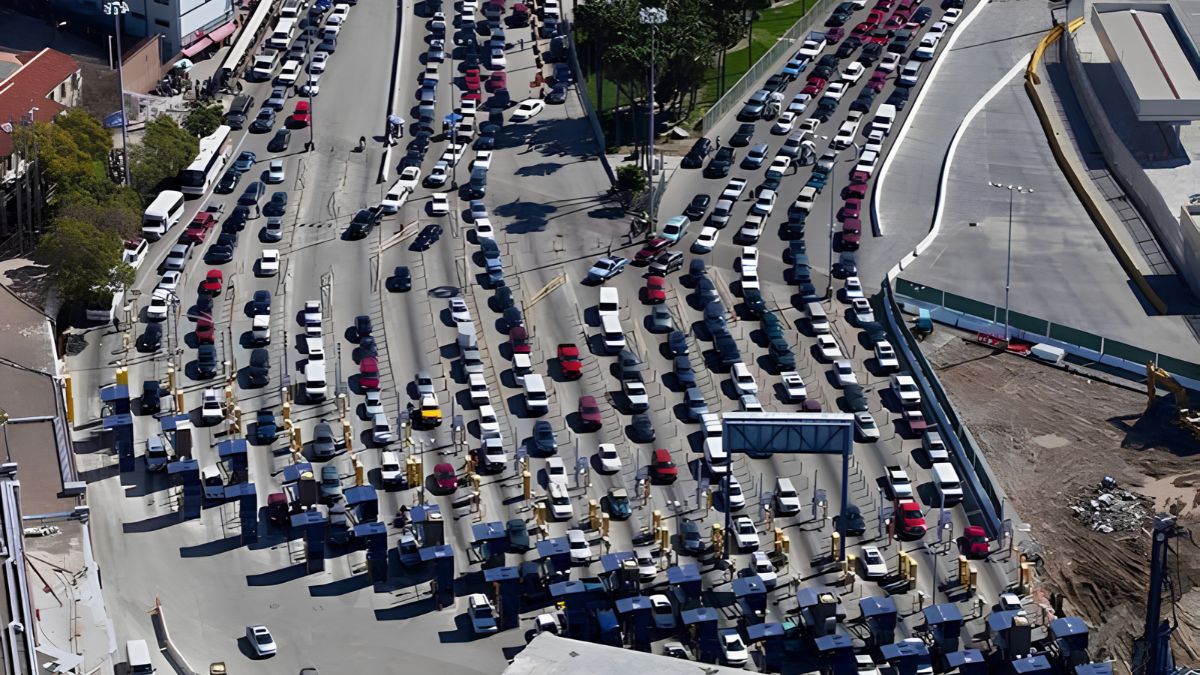
Visitors should establish which border crossing they intend to use and review the current procedures before driving. They should also allow sufficient time for traffic, inspections, and possible delays.
Travellers entering Mexico may need to present a valid passport or other accepted travel documentation, depending on their circumstances. Some visitors may need a visa or additional immigration documentation. Entry rules should be confirmed through official Mexican government sources before departure.
Returning to the United States involves separate requirements. A visitor who entered Mexico legally must still meet the applicable US admission requirements when returning. Possessing a rental agreement does not establish eligibility to enter either country.
Vehicle-related documents may also be requested during border or law enforcement checks. Drivers should keep the rental agreement, insurance documents, registration information provided by the rental company, and relevant travel documents accessible.
The U.S. Customs and Border Protection website provides official information about entering the United States, border procedures, and travel documentation. Travellers should review the relevant guidance for their individual circumstances.
Border waiting times vary with traffic levels, inspection activity, and time of day. Before leaving, check current conditions and avoid scheduling an international flight or another time-sensitive appointment too close to the expected crossing.
Costs
The advertised daily rental rate is only one part of the total cost of a cross-border driving trip. Additional charges may arise from insurance, border permissions, fuel, parking, toll roads, additional drivers, and return arrangements.
International visitors should compare the full cost of driving rather than choosing a vehicle solely because its initial price appears low.
| Expense | What to check |
|---|---|
| Rental rate | Daily price, taxes, and booking fees |
| Cross-border permission | Whether additional charges or documents apply |
| Insurance | Mexican liability coverage and optional protections |
| Deposit | Amount, payment method, and refund conditions |
| Fuel | Refuelling policy and local fuel prices |
| Parking | Hotel, attraction, and overnight parking fees |
| Additional drivers | Eligibility rules and applicable charges |
| Return conditions | Fuel level, vehicle condition, and return location |
The actual amount depends on the rental provider, vehicle category, trip duration, and insurance arrangements.
Deposits deserve particular attention. Some rental companies place a temporary hold on a payment card, reducing the available credit until the hold is released. Visitors should confirm the accepted card types, deposit amount, and conditions for release before arriving at the counter.
Foreign currency conversion and card transaction fees can also affect the final cost. Travellers should review their bank’s policies and check whether the rental agreement displays prices in US dollars or Mexican pesos.
For a short trip limited to central San Diego and Tijuana, public transportation, taxis, or ride-hailing services may be worth comparing against the cost of a rental car. For a longer itinerary with several stops, renting may offer greater flexibility.
Vehicle
Before driving away, inspect the vehicle and record its condition. This step can help prevent disagreements about existing damage when the car is returned.
Walk around the vehicle and check for scratches, dents, cracked glass, damaged lights, and tyre problems. Photograph any visible damage, including the relevant area of the vehicle, and ensure that existing damage is recorded on the rental inspection report.
Check that the fuel level matches the agreement and confirm whether the vehicle uses petrol or diesel. Test the headlights, indicators, brake lights, windscreen wipers, and other basic controls. Make sure the spare tyre or approved tyre repair equipment is present if supplied with the vehicle.
Visitors should also familiarise themselves with the vehicle’s dimensions and safety features before entering unfamiliar traffic conditions. A larger vehicle may be difficult to park in busy urban areas, while a compact car may be more convenient for city travel and narrow parking spaces.
Confirm which emergency contact number to use if the vehicle breaks down or is involved in an accident. The rental provider should explain how to report incidents, obtain roadside assistance, and arrange repairs.
Do not assume that the rental company’s standard assistance service covers every location in Mexico. Cross-border restrictions may affect towing, replacement vehicles, or recovery arrangements.
Driving
Driving conditions can differ between California and Tijuana. Visitors should review local road rules, traffic signs, speed limits, parking regulations, and mobile phone restrictions before beginning the journey.
Drivers should follow posted limits and adjust their speed to road conditions. Navigation applications can be useful, but they may not reflect every temporary closure, traffic control measure, or local restriction. Official road information and signs should take priority.
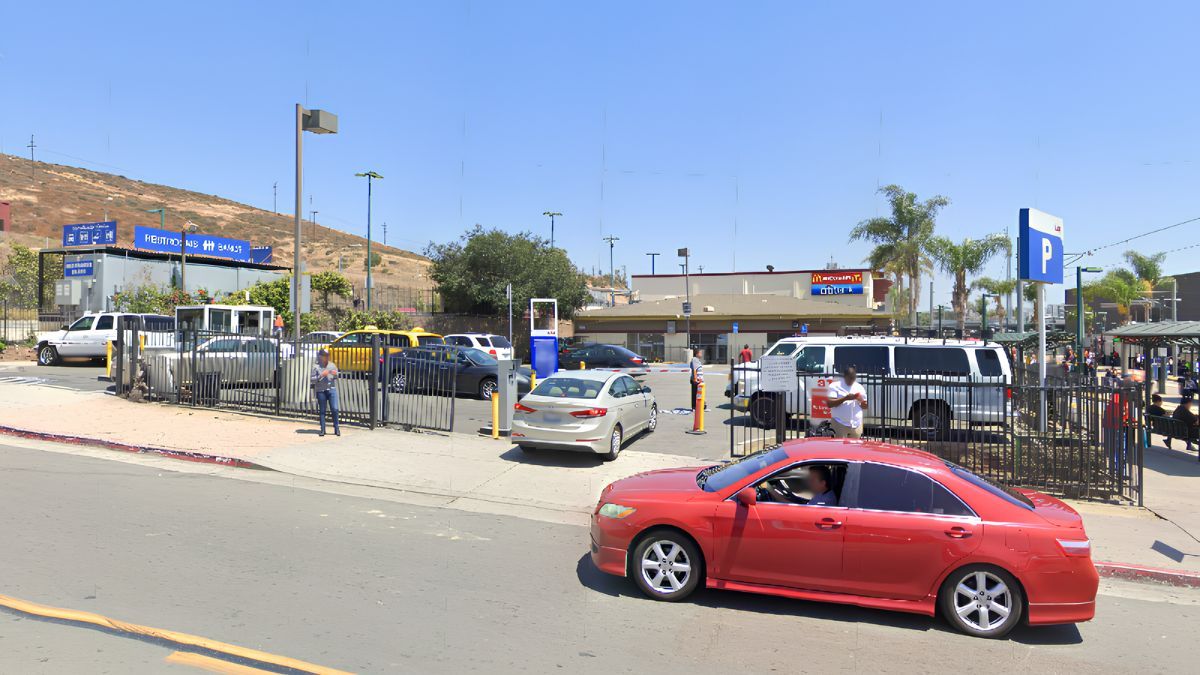
Parking also requires attention. Use permitted parking areas, read signs carefully, and check whether payment or local authorisation is required. Avoid leaving luggage, passports, electronics, or other valuables visible inside the vehicle.
Visitors unfamiliar with the area may prefer to plan their route before setting off and identify suitable places to stop. Using a phone while driving can be dangerous and may violate local laws, so navigation should be configured before the vehicle is moving or managed by a passenger.
Travellers should also consider whether they are comfortable driving in unfamiliar traffic conditions. If not, arranging a professional driver or using established transportation services may be a more appropriate option.
Safety
Safety planning should include both personal security and preparation for vehicle-related incidents. Travellers should review current official travel advisories for the destinations they intend to visit, rather than relying on general impressions about the border region.
Keep important documents secure and carry only what is reasonably necessary during individual outings. A digital copy of the rental agreement and insurance information can provide a useful backup, although it should not replace original documents when originals are required.
If an accident occurs, move to a safe location if possible, contact emergency services when necessary, and follow the rental company’s reporting procedures. Do not assume that a minor collision can be resolved without notifying the rental provider or insurer.
In an emergency, visitors should know which local emergency number to use and how to contact their rental company’s assistance service. Travellers should also clarify what to do if the vehicle is stolen, damaged, or becomes undriveable.
For current destination-specific information, consult the official government travel guidance before departure and review any updates during the trip.
Alternatives
A rental car is not always the most practical way to travel between San Ysidro and Tijuana. The right choice depends on the length of the visit, the number of passengers, the amount of luggage, and the destinations involved.
For travellers visiting central areas, taxis, ride-hailing services, and public transportation may eliminate the need to arrange cross-border vehicle permission and insurance. Some visitors may also find it simpler to use separate transportation on each side of the border rather than drive one rental vehicle across it.
Another option is to rent a car only for the part of the trip that requires one. A visitor might use public transportation for the border crossing and collect a rental vehicle in the destination city. This approach can reduce parking costs and simplify the rental agreement, although it may require additional transfers and careful coordination.
Compare the time and cost of each arrangement before booking. A rental car may be suitable for a multi-stop itinerary, while alternative transportation may be more convenient for a short visit focused on central locations.
Preparation
Before confirming a cross-border rental, review the complete itinerary and make sure the vehicle, insurance, documentation, and border arrangements match the planned journey.
Start by checking the driver’s licence requirements and rental provider’s cross-border policy. Next, confirm Mexican insurance coverage, entry documentation, payment requirements, and vehicle return conditions. Finally, review current border information and allow enough time for potential delays.
Keep the rental agreement and insurance documents available, record the vehicle’s condition, and save the rental company’s emergency contact details. If any part of the arrangement remains unclear, obtain clarification from the provider before collecting the vehicle.
For international visitors travelling between San Ysidro and Tijuana, careful preparation can reduce avoidable expenses and help prevent problems at the border. A rental car can provide useful flexibility, but it is most effective when the traveller understands the restrictions and responsibilities that come with driving across an international boundary.
FAQs
Can I drive a US rental car into Tijuana?
Only if the rental company permits cross-border travel and the required conditions are met.
Do I need Mexican car insurance?
Verify applicable Mexican insurance requirements and ensure your policy provides valid coverage.
Is an International Driving Permit necessary?
Requirements vary, so check your rental company’s policy and applicable driving rules.
What documents should I carry?
Carry the required travel documents, driving licence, rental agreement, and insurance information.
Can I return the car in another country?
Cross-border one-way returns depend on the rental provider and its specific policies.