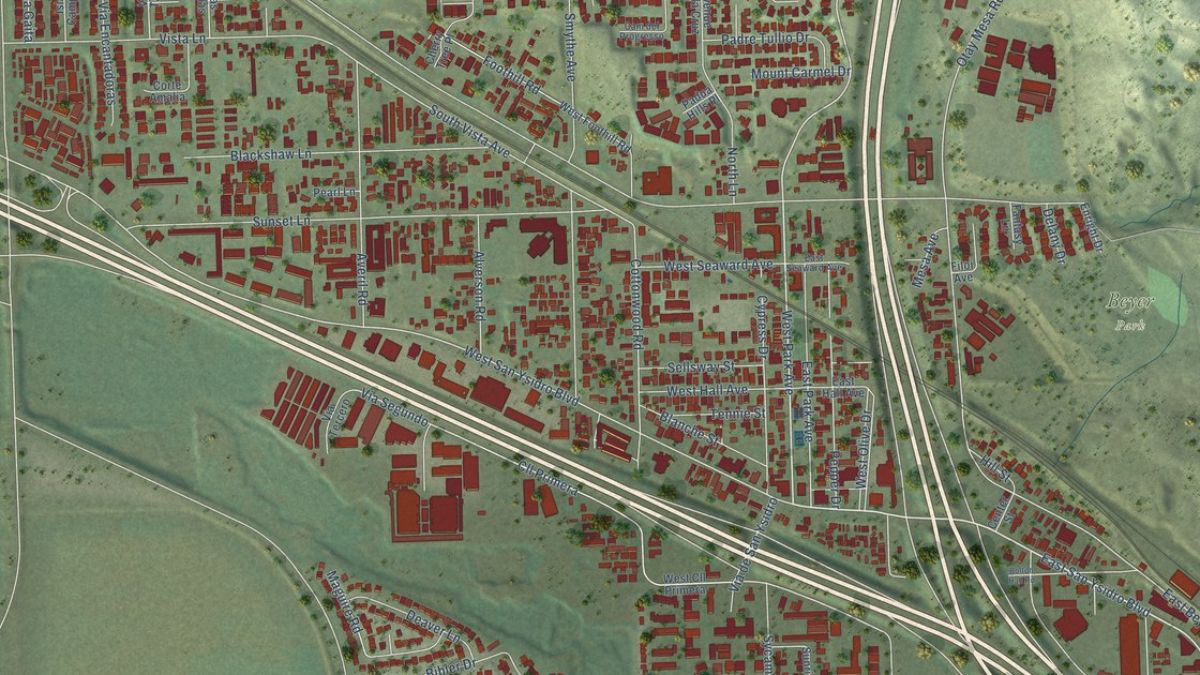
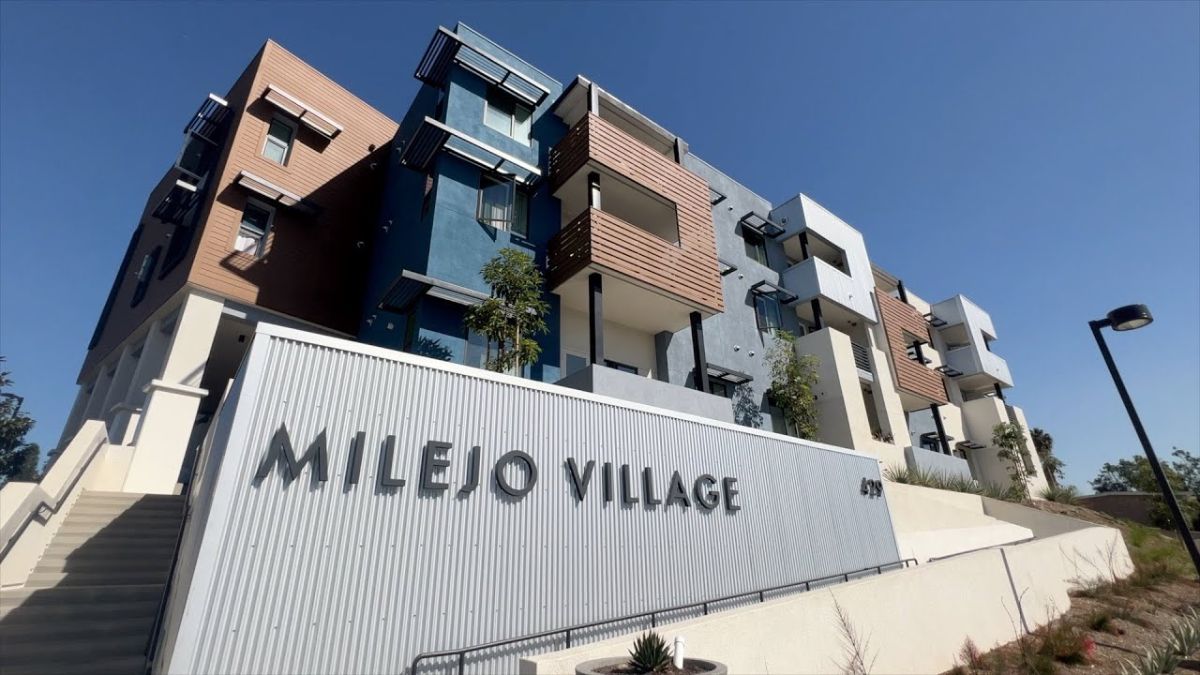
San Ysidro, a community in southern San Diego near the U.S.-Mexico border, offers a range of housing types, from older detached houses on established residential streets to apartments, condominiums and newer multifamily developments. Each option comes with different considerations involving space, maintenance, privacy, affordability and access to local amenities.
For prospective buyers, renters and residents considering a move, comparing these housing types involves more than looking at asking prices or the number of bedrooms. The age of a building, its construction quality, monthly expenses, parking arrangements and surrounding land use can all influence whether a property suits a household’s needs.
Knowing these differences can help people make more informed housing decisions while appreciating how San Ysidro’s residential landscape has evolved.
Overview
San Ysidro’s housing options reflect different periods of development and changing household needs. Older detached homes may offer private yards and more separation from neighbours, while newer multifamily buildings can make more efficient use of limited urban land.
The main housing categories include:
- Older detached homes: Standalone houses, often with private outdoor space.
- Newer detached homes: Individual houses built to more recent standards, where available.
- Apartments: Rental units within buildings managed by an owner or property company.
- Condominiums: Individually owned units that may share common facilities and maintenance responsibilities.
- Multifamily developments: Buildings or groups of buildings containing several residential units, sometimes with shared parking and amenities.
These categories are not uniform. Two homes of the same type can differ considerably in condition, layout, price and location. Comparing actual properties is therefore more useful than relying on broad assumptions about an entire neighbourhood.
Olderhomes
Older detached homes can appeal to residents who value individual entrances, private outdoor areas and a traditional residential layout. Depending on the property, they may offer larger yards, separate garages or more indoor space than some apartment units.
However, age can bring maintenance challenges. Older plumbing, electrical systems, roofing, windows and heating or cooling equipment may need repairs or replacement. Previous renovations can also affect a property’s condition, especially when work was not completed to appropriate standards.
Before buying an older house, review its inspection findings, permit history where available and records of major improvements. Ask about roof age, plumbing materials, electrical upgrades, drainage, pest activity and the condition of the foundation.
For renters, the condition of the building and the responsiveness of the landlord are especially important. A property that appears attractive during a viewing may still have problems with ventilation, leaks, noise or inadequate insulation.
Older homes should not automatically be considered inferior. A well-maintained house may offer better long-term value than a newer property with poor construction or high recurring costs. The key is to evaluate the specific building rather than its age alone.
Detachedhomes
Detached homes provide separation from neighbouring households, which can be valuable for families, people who work from home or residents who prefer more privacy. Outdoor space may also provide room for gardening, recreation or family activities.
The trade-off is responsibility. Owners are generally responsible for maintaining the home’s exterior, roof, yard, driveway and major building systems. These expenses can be irregular, making it important to budget for repairs rather than considering only the mortgage payment.
Detached properties may also have higher purchase prices than smaller units, although the actual difference depends on location, condition, size and market conditions.
When comparing houses, examine the usable indoor area rather than relying only on the advertised square footage. A house with more rooms may still have an awkward layout, limited storage or spaces that require costly renovation.
Parking deserves attention as well. Some properties have private garages or driveways, while others rely more heavily on street parking. Check the practical arrangements during the hours when household members are most likely to be home.
Multifamily
Newer multifamily developments can provide housing for several households on a smaller area of land. They may include apartments, condominiums or other attached residential units, with shared walls, common corridors, parking facilities or outdoor spaces.
For residents, one potential advantage is reduced responsibility for exterior maintenance. In rental buildings, the property owner or manager typically handles major building systems and shared areas, subject to the lease and applicable law. Condominium owners may share costs through homeowners association fees.
Newer developments may also include modern layouts, energy-efficient equipment, accessible design features or shared amenities. However, these features vary by project and should be verified rather than assumed.
Shared living environments can introduce different concerns. Noise between units, limited guest parking, elevator access, common-area rules and building management quality can influence daily comfort.
Buyers considering a condominium should review association documents, monthly fees, reserve funding, insurance arrangements, pending assessments and any relevant restrictions. Renters should check lease terms, utility charges, parking provisions and maintenance procedures.
Costs
Housing costs extend beyond the advertised sale price or monthly rent. A meaningful comparison should include recurring expenses, likely repairs and costs that can change over time.
| Expense | Detached home | Multifamily property |
|---|---|---|
| Purchase or rent | Depends on size, location and condition | Depends on unit size, building and location |
| Exterior maintenance | Usually the owner’s responsibility | Often shared or managed by the owner or association |
| Utilities | Depends on equipment and household use | Depends on unit systems and billing arrangements |
| Parking | May include a private driveway or garage | May be assigned, shared or separately charged |
| Shared fees | Often limited unless part of an association | May include homeowners association fees or amenity charges |
| Repairs | Owners budget for individual property systems | Responsibility varies by ownership and lease arrangements |
| Insurance | Depends on property type and coverage | Owners and renters generally need different coverage |
Renters should ask which utilities are included and whether additional fees apply to parking, storage, pets or shared amenities.
Buyers should estimate property taxes, insurance, maintenance, financing expenses and any association fees. A lower purchase price does not necessarily mean lower total ownership costs if the building needs major repairs.
For an objective comparison, calculate the expected monthly cost for each property and separately identify one-time expenses, such as closing costs, moving fees or immediate renovations.
Location
Location can be as important as the building itself. Two homes with similar layouts may provide very different daily experiences depending on their proximity to schools, shops, public transportation, employment, parks and major roads.
San Ysidro’s position near the international border makes travel patterns an important consideration for some households. Residents who regularly cross the border should consider the practical route to their crossing point and check official travel information when planning journeys.
Traffic, road noise and access to public transportation may also affect a property’s suitability. Visit potential homes at different times of day to understand parking demand, street activity and travel conditions.
The surrounding land use deserves attention, too. A property close to commercial activity may offer convenient access to services but experience more noise or vehicle movement. A home on a quieter residential street may provide a different balance of convenience and privacy.
Prospective buyers can consult the City of San Diego’s Development Services Department for planning and development information. Nearby proposed projects may influence traffic, access or the character of an area, although the effect of any specific project should be evaluated using its actual plans and approvals.
Condition
Building condition is one of the most important differences between individual properties. A newer building is not automatically better, and an older home is not necessarily more expensive to maintain.
For older detached houses, pay attention to major systems, past repairs, drainage, possible pest damage and the quality of previous alterations. For newer multifamily buildings, look at ventilation, sound insulation, water pressure, common-area maintenance and the management of shared facilities.
In either setting, ask for documentation where available. Buyers can arrange an independent property inspection and review relevant permits. Renters can document existing damage before moving in and report maintenance problems in writing.
Energy performance can also influence ongoing costs. Insulation, windows, heating and cooling equipment, shading and appliance efficiency may affect utility bills. Compare actual utility information where available instead of assuming that every new development has lower energy costs.
Lifestyle
The right housing type depends on how people use their homes.
Families may prioritize bedrooms, storage, outdoor space and proximity to schools. Single residents may prefer a smaller apartment that reduces cleaning and maintenance. Older adults or people with mobility needs may value step-free access, elevators and nearby services.
Remote workers may need a quiet workspace and reliable internet, while households with several vehicles may place a high priority on parking. Residents who enjoy gardening or outdoor activities may prefer a detached house, whereas people who want fewer maintenance responsibilities may favour a managed multifamily property.
Privacy and community interaction are also worth considering. Detached homes may provide greater physical separation, while multifamily developments can place neighbours closer together and offer shared spaces. Neither arrangement guarantees a particular level of community connection; building design and resident behaviour matter.
Make a list of essential features and desirable extras before viewing properties. This helps prevent attractive finishes or amenities from distracting from more important needs.
Decisions
A practical comparison begins with three questions: What can the household comfortably afford? Which features are essential for daily life? How much maintenance and responsibility is the household prepared to take on?
Create a shortlist of properties and compare them using the same criteria. Record the total expected monthly cost, interior space, outdoor access, parking, building condition, transport options and likely repair needs.
For renters, read the lease carefully and clarify who handles repairs, how maintenance requests are submitted and what fees may apply. California’s Department of Consumer Affairs offers general information about landlord-tenant issues.
For buyers, review financing, inspections, insurance, property tax estimates and any homeowners association documents before committing. The Consumer Financial Protection Bureau provides resources for understanding the home-buying process and associated costs.
Avoid making a decision based on a single feature or a broad claim about older or newer housing. The strongest choice is the property that balances condition, location, total cost and household needs.
San Ysidro offers different housing options for residents with varying budgets, space requirements and lifestyle preferences. Older detached homes may provide privacy and outdoor space but require careful maintenance checks, while newer multifamily developments may offer modern layouts and shared services alongside association fees or shared-living considerations.
Apartments and condominiums can suit residents seeking different levels of responsibility and ownership. By comparing total costs, building condition, location, parking and everyday convenience, households can choose housing that fits their needs rather than relying on age or property type alone.
FAQs
Are older detached homes always cheaper?
No. Price depends on location, size, condition and market demand.
What are the benefits of multifamily housing?
It may offer modern layouts and shared maintenance or amenities.
What should buyers inspect in older homes?
Check major systems, roofing, plumbing, drainage and previous repairs.
Do condominiums have additional fees?
Many have association fees for shared expenses and facilities.
How should renters compare housing options?
Compare total monthly costs, condition, location and lease terms.