Shopping in San Ysidro can be a great opportunity to bring home fresh tortillas, flavorful salsa, Mexican cheeses, dried chiles, beans and other kitchen staples. But once you get home, how you store these ingredients can make a real difference to their freshness, flavor and safety. Some foods keep well in a pantry, while others need refrigeration as soon as possible.
The key is to know what each ingredient needs. Fresh tortillas can dry out, salsa can spoil if left at room temperature for too long, and cheeses may lose their texture if stored incorrectly. With a few practical habits, you can protect your purchases, reduce food waste and enjoy your favorite Mexican foods for longer.
Tortillas
Fresh tortillas are a staple in many Mexican kitchens, but their storage needs depend on whether they are made from corn or flour, whether they contain preservatives, and whether they are sold fresh, packaged or refrigerated.
Corn tortillas can dry out quickly when exposed to air. Once opened, keep them in their original packaging if it seals properly, or place them in an airtight food-safe bag or container. Follow the package instructions for refrigeration and use-by dates. Freshly made tortillas without preservatives may need refrigeration to stay safe for longer.
Flour tortillas are often softer and may contain ingredients that help them retain moisture. Commercially packaged varieties can sometimes be stored in the pantry while unopened, but only if the label permits it. Refrigerate them after opening when instructed.
For longer storage, freeze tortillas in small portions. Separate stacks with pieces of baking parchment if you want to remove only a few at a time. Seal them well to prevent freezer burn, then thaw in the refrigerator or reheat according to the package directions.
Salsa
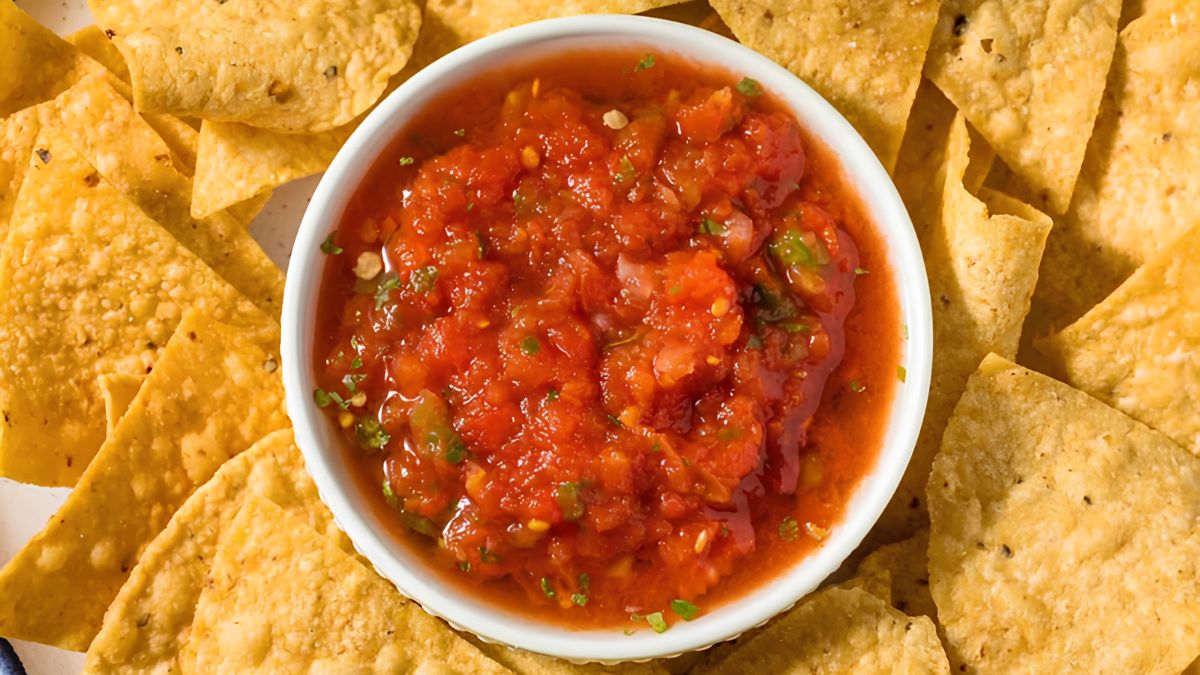
Salsa storage depends on how it was prepared and packaged. Fresh salsa from a deli counter, market refrigerator or restaurant typically requires refrigeration. Keep it at 40°F (4°C) or below and use it within the period recommended by the seller or product label.
Never assume that salsa is shelf-stable simply because it is sold in a jar. Commercially canned or bottled salsa may be safe to store unopened at room temperature if the packaging specifically says so. Once opened, refrigerate it and follow the label’s instructions.
Homemade salsa should also be refrigerated promptly. Avoid leaving it on the counter during a long meal or gathering. As a general food-safety rule, perishable foods should not remain at room temperature for more than two hours, or more than one hour when temperatures exceed 90°F (32°C).
Use a clean spoon each time you serve salsa. Dipping chips directly into the container can introduce crumbs, oils and bacteria that shorten its usable life. If salsa develops mold, an unusual odor, unexpected bubbling or other signs of spoilage, discard it rather than tasting it to check.
Cheese
Mexican cheeses such as queso fresco, cotija, panela and Oaxaca cheese vary in moisture and texture. Fresh, high-moisture cheeses generally require more careful refrigeration than hard, aged cheeses.
Store cheese in the refrigerator according to its label, ideally at 40°F (4°C) or below. Keep it in its original packaging until opened, then transfer it to a clean, food-safe container or wrap it as directed. Fresh cheeses should not be left at room temperature for extended periods.
Queso fresco and similar fresh cheeses are especially perishable. Check the use-by date and avoid buying packages that are leaking, swollen or damaged. If you’re bringing cheese home after shopping in San Ysidro, use an insulated cooler with ice packs when the journey may take a while.
Chiles
Dried Mexican chiles, including guajillo, ancho, pasilla and árbol, are convenient pantry ingredients because they last longer than fresh produce when stored properly.
Keep dried chiles in an airtight container in a cool, dry and dark cupboard. Moisture is the main enemy: it can encourage mold and affect flavor. Avoid storing them next to a stove, dishwasher or other source of heat and steam.
Fresh chiles, such as jalapeños, serranos and poblanos, need different care. Store them in the refrigerator in a breathable produce bag or suitable container. Avoid washing them until you’re ready to use them, as extra moisture can encourage spoilage.
Check dried chiles occasionally for dampness, mold or insect activity. Discard any that show signs of contamination.
Beans
Beans may be purchased dried, canned or freshly prepared, and each type needs a different storage approach.
- Dried beans: Keep them in airtight containers in a cool, dry pantry. Store away from moisture and direct sunlight.
- Canned beans: Store unopened cans in a cool, dry cupboard. After opening, transfer leftovers to a covered container and refrigerate them rather than leaving them in the opened can.
- Cooked beans: Refrigerate promptly in shallow, covered containers. For best quality, use refrigerated leftovers within three to four days, or freeze them for longer storage.
If you buy freshly prepared beans from a deli or restaurant, ask whether they need refrigeration and how soon they should be eaten. Transport them in a cooler if you cannot get them into the refrigerator promptly.
Produce
Tomatillos, avocados, cilantro, limes, onions and tomatoes are common ingredients in Mexican cooking, but they do not all have identical storage requirements.
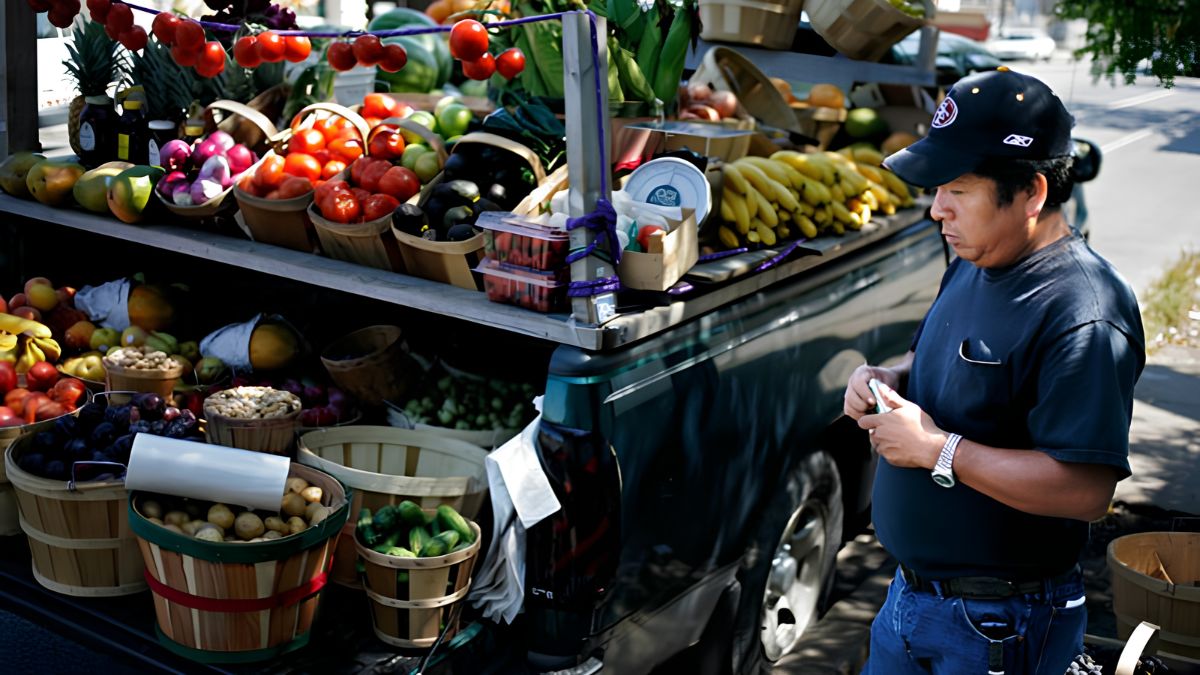
Keep whole, uncut avocados at room temperature until ripe. Once ripe, refrigerate them to slow further softening. Store cilantro in the refrigerator, keeping it from becoming excessively wet. Tomatoes can be left at room temperature until ripe, then refrigerated if needed to extend their life.
Whole onions should generally be stored in a cool, dry, well-ventilated place away from potatoes. Refrigerate cut onions in a sealed container. Keep cut produce refrigerated, and wash fresh ingredients under running water before preparing them.
If you buy produce in bulk, separate damaged items from healthy ones and use the ripest ingredients first. This simple routine can help prevent one spoiled item from affecting the rest.
Transport
How you transport groceries after shopping in San Ysidro matters just as much as how you store them at home. Refrigerated foods can warm up during errands, traffic delays or a long drive.
Bring insulated cooler bags and ice packs when purchasing fresh salsa, cheese, cooked beans or other perishable products. Pack chilled foods together and avoid leaving groceries in a parked car, where temperatures can rise rapidly.
Once home, put refrigerated and frozen items away first. Store shelf-stable products afterward. If you’re crossing an international border or traveling a long distance, check applicable food import rules before purchasing items that may be restricted. Official guidance is available from U.S. Customs and Border Protection and the USDA Animal and Plant Health Inspection Service.
Freezing
Freezing can help preserve several Mexican food staples when you cannot use them quickly. Tortillas freeze well when tightly wrapped, while cooked beans can be divided into meal-sized portions and frozen in airtight containers.
Some salsa can be frozen, especially cooked varieties, but its texture may change after thawing. Fresh salsa containing tomatoes, onions or cilantro may become watery. Stir it after thawing and use it in cooked dishes if the texture is no longer ideal.
Label containers with the food name and freezing date. Leave appropriate space in containers for liquids to expand, and thaw food in the refrigerator rather than on the counter. Avoid refreezing foods that have been left at unsafe temperatures.
Organization
An organized refrigerator and pantry make it easier to use ingredients before they spoil. Place newer products behind older ones, and move items with earlier use-by dates toward the front.
Keep raw foods separate from ready-to-eat items, and use clean containers with tight-fitting lids. Do not rely on smell or appearance alone to decide whether a perishable food is safe. Follow storage directions and discard anything that has been held under unsafe conditions.
It also helps to plan meals around what you buy. Use fresh salsa early in the week, make tacos with tortillas that are nearing their best-quality date, and freeze extra beans in portions that suit your household. Buying only what you can reasonably use is one of the easiest ways to save money and reduce waste.
Keeping Mexican food staples fresh after shopping in San Ysidro comes down to choosing the right storage method for each ingredient. Store dried chiles and dried beans in cool, dry cupboards, follow package directions for tortillas, and refrigerate fresh salsa, cheeses and cooked foods promptly. Use insulated bags for chilled groceries during the journey home, and freeze suitable foods when you need more time. A little planning helps preserve flavor, protect food safety and make every shopping trip go further.
FAQs
Should fresh tortillas be refrigerated?
Follow the package directions; many fresh tortillas need refrigeration.
How should fresh salsa be stored?
Keep fresh salsa refrigerated at 40°F (4°C) or below.
Can I freeze tortillas?
Yes. Seal them well and separate portions to make thawing easier.
Where should dried Mexican chiles be kept?
Store them in an airtight container in a cool, dry, dark place.
How long can perishable food stay unrefrigerated?
Generally, no more than two hours, or one hour above 90°F (32°C).