Ordering food at a restaurant serving regional Mexican specialities can be an opportunity to explore different ingredients, cooking methods, and culinary traditions. In San Ysidro, California, diners may encounter dishes associated with Baja California and other parts of Mexico, alongside familiar favourites such as tacos, tamales, enchiladas, and regional seafood preparations.
However, a dish’s name does not always explain how it is prepared, how spicy it will be, or what ingredients it contains. Recipes can vary between regions, restaurants, and individual cooks. Asking a few practical questions before ordering can help diners understand the menu, choose suitable dishes, and avoid surprises involving allergies, portion sizes, or preparation methods.
Whether you are visiting a restaurant for the first time or looking into a regional speciality you have never tried, the following questions can help you make an informed choice.
Origins
One useful starting point is to ask where a dish comes from and what makes it distinctive. Mexican cuisine varies considerably by region, reflecting local ingredients, geography, and culinary history.
For example, Baja California is known for seafood dishes, including fish tacos, while other Mexican regions have distinct traditions involving moles, tamales, slow-cooked meats, and sauces made with chillies and spices.
You might ask, “Is this dish associated with a particular region of Mexico?” or “What makes your version different from the more familiar preparation?”
The answer can help you understand whether the restaurant follows a regional tradition, uses a family recipe, or has adapted the dish to suit its customers.
Keep in mind that regional dishes are not always prepared identically. Ingredients and techniques can differ between households and restaurants, so it is useful to ask about the specific preparation rather than assuming every version follows one standard recipe.
Ingredients
Knowing a dish’s ingredients is particularly important when ordering unfamiliar food. A menu description may list the main protein or sauce without mentioning every seasoning, garnish, or accompanying ingredient.
Ask what goes into the dish and whether the restaurant prepares its sauces, marinades, or fillings in-house. This can provide a better knowing of the flavours and textures you can expect.
For example, a mole sauce may contain chillies, spices, seeds, nuts, or other ingredients, depending on the recipe. A seafood dish might include lime, coriander, onions, creamy sauces, or additional seasonings.
If you have food allergies, communicate them clearly before ordering. Ask whether the kitchen can confirm the ingredients and whether there is a risk of cross-contact with allergens during preparation. This is especially important for ingredients such as peanuts, tree nuts, shellfish, milk, eggs, wheat, soy, sesame, and fish.
Do not rely solely on removing a visible ingredient from the finished dish. An allergen may already be present in a sauce, marinade, cooking oil, or shared preparation equipment.
Spice
Spice levels can vary significantly between restaurants and recipes. A dish described as spicy may have a mild chilli flavour in one kitchen and substantial heat in another.
Before ordering, ask, “How spicy is this dish?” You can also ask whether the heat comes from the main preparation, a chilli sauce, or a garnish served separately.
This distinction matters because some dishes can be adjusted easily, while others rely on chilli as an essential part of the sauce or marinade.
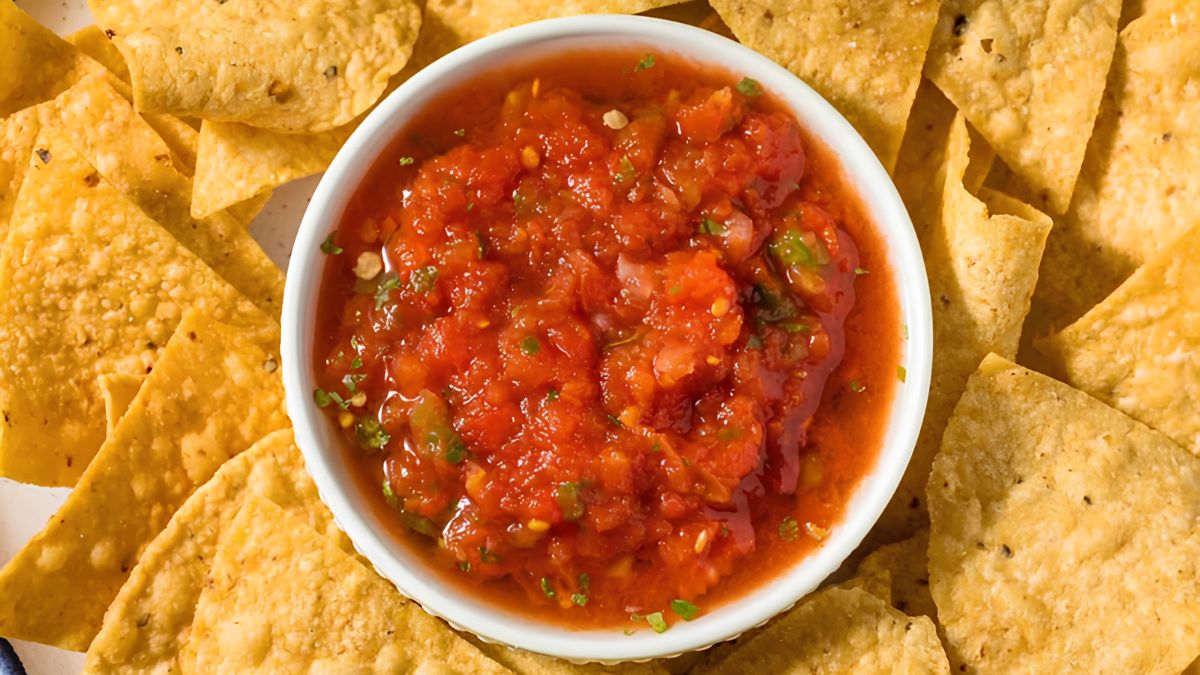
If you prefer mild food, ask whether the restaurant can reduce the chilli or serve salsa separately. If you enjoy stronger flavours, ask which dishes have a more pronounced chilli character.
Remember that chilli heat and flavour are not the same thing. A dish can be aromatic and complex without being particularly hot, while a simple salsa can have considerable heat.
Preparation
Cooking methods influence the taste, texture, and richness of regional Mexican dishes. Asking how a dish is prepared can help you choose something that matches your preferences.
Some meats are grilled over high heat, while others are braised or cooked slowly until tender. Seafood may be grilled, fried, or served with citrus-based preparations. Tortillas can also vary in ingredients, thickness, and cooking method.
Useful questions include:
- Is the meat grilled, fried, roasted, or slow-cooked?
- Are the tortillas made from corn or flour?
- Is the seafood cooked to order?
- Is the sauce prepared separately or cooked with the main ingredient?
- Can the dish be prepared without a particular ingredient?
These questions are particularly helpful when comparing dishes that sound similar on a menu but use different techniques.
If you prefer a lighter meal, you might ask whether grilled options are available. If you want a richer preparation, a slow-cooked meat dish or a speciality sauce may be worth considering.
Portions
Portion sizes can vary considerably between restaurants. A dish described as a plate, combination, or speciality may include several components, while a smaller item may be intended as a snack or as part of a larger meal.
Ask whether a dish is suitable for one person, whether it includes side dishes, and how many pieces are normally served.
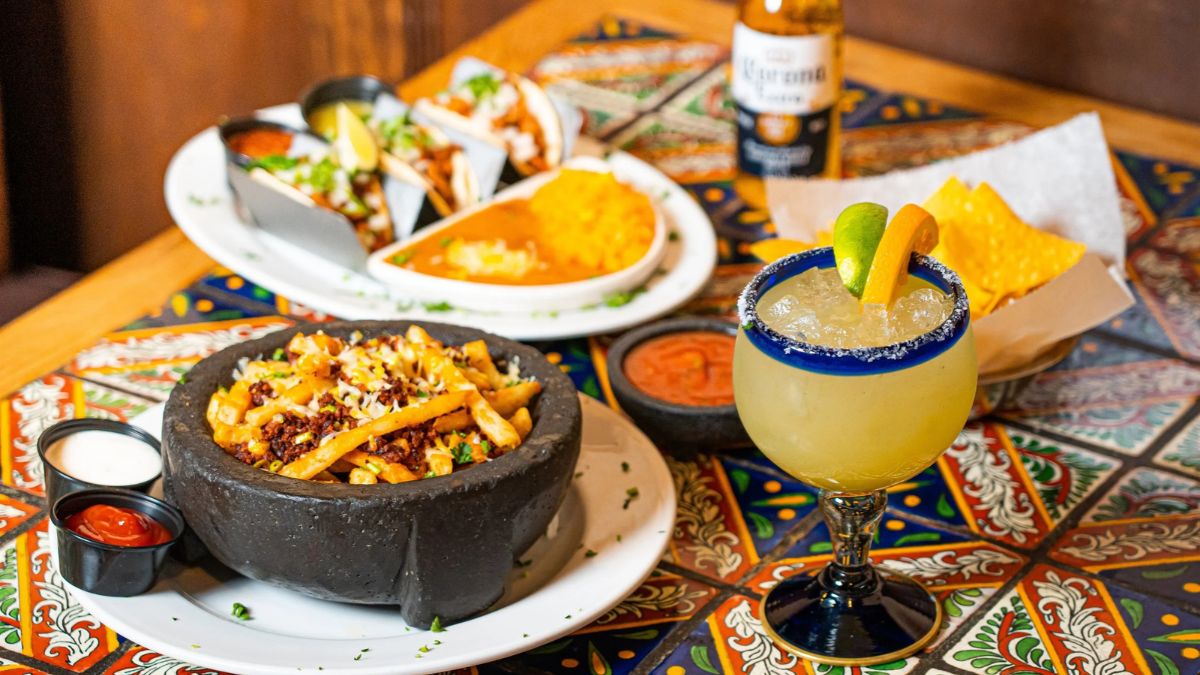
For example, an order of tacos may include a particular number of tortillas, while a combination plate might come with rice, beans, salsa, or other accompaniments. Knowing these details makes it easier to estimate how much food you will receive.
If you are dining with others, ask whether dishes are suitable for sharing. Some preparations are easier to divide than others, and the restaurant may be able to recommend a combination that provides variety without excessive leftovers.
Portion questions can also help you compare prices more accurately. A slightly more expensive dish may offer a fuller meal, while a lower-priced item may require additional sides.
Recommendations
When a restaurant offers several regional specialities, asking the staff for a recommendation can be more useful than choosing solely by price or familiarity.
Explain what you generally enjoy. You might prefer seafood, slow-cooked meats, fresh herbs, rich sauces, mild flavours, or dishes with noticeable chilli heat.
Then ask which menu item best matches those preferences. If you are unfamiliar with a regional speciality, ask what it tastes like, what accompanies it, and whether it is commonly eaten as a main dish or a snack.
You can also ask which dishes the kitchen is particularly known for. However, remember that a restaurant’s most popular item may not necessarily be the best match for your dietary needs or preferences.
A useful approach is to request one recommendation for a familiar dish and another for something less familiar. This allows you to compare a reliable choice with an opportunity to try a new flavour.
Dietary
Dietary requirements deserve attention before the order reaches the kitchen. Some diners avoid particular ingredients because of allergies, religious practices, vegetarian diets, or other personal requirements.
If you do not eat meat, ask whether a dish contains meat stock, lard, animal-derived sauces, or other ingredients that may not be obvious from its description. Beans, rice, tortillas, and vegetable dishes can be prepared in different ways, so it is worth checking rather than assuming they are suitable.
For vegan diners, ask whether dairy products, eggs, cheese, or animal-derived ingredients are used in the preparation. If you follow a gluten-free diet, check the ingredients in tortillas, sauces, seasonings, and any fried items, including possible cross-contact.
People with serious allergies should explain the specific allergen and ask whether the kitchen can safely accommodate the request. If staff cannot confirm the ingredients or preparation process, choosing another dish or restaurant may be the safer option.
Clear communication is more reliable than asking only whether a dish is vegetarian, vegan, or gluten-free without explaining the particular requirement.
Freshness
Freshness can be an important consideration when ordering seafood, salads, and dishes prepared with fresh herbs or vegetables.
You can ask which seafood options are available that day, whether the menu reflects seasonal availability, and which dishes the kitchen recommends based on its current ingredients.
For seafood, it is reasonable to ask how the item is prepared and whether it is cooked. If you are considering a raw or lightly cooked seafood dish, ask about the preparation and handling practices and consider your own health needs.
Certain people, including pregnant individuals, young children, older adults, and people with weakened immune systems, may need to avoid particular raw or undercooked foods.
A restaurant may not be able to guarantee that every ingredient was sourced locally or caught on the same day. Asking specific questions about the day’s offerings is generally more useful than assuming that a regional speciality is automatically made with locally sourced ingredients.
Pricing
Before ordering, confirm the price of any speciality that is not clearly listed on the menu. This is especially useful for seafood sold according to market availability or dishes with optional additions.
Ask whether the listed price includes sides, sauces, or customary accompaniments. If you want extra protein, additional tortillas, or a different side dish, confirm whether those changes affect the total.
For groups, clarify whether dishes are individually priced or intended for sharing. If you are ordering several items, checking the prices beforehand can help you stay within your budget.
You should also review the final bill before paying. If an item appears to have been charged differently from the menu or your understanding of the order, ask staff to explain the difference.
Clear pricing information helps prevent misunderstandings and allows you to compare dishes based on both their ingredients and overall value.
Takeaway
If you plan to take food away, ask how the restaurant packages the dish and whether it is suitable for transport. Some foods retain their texture well, while fried items may become softer and dishes containing sauces may need separate packaging.
For longer journeys, food safety becomes an additional consideration. Ask whether the food should be refrigerated promptly and follow appropriate storage guidance. Perishable food should not be left at room temperature for extended periods.
If you are crossing the U.S.-Mexico border with food, check the relevant customs and agricultural restrictions before purchasing items to take across. Rules may differ depending on the food, its ingredients, origin, and destination. Do not assume that food permitted for restaurant consumption in one country can automatically be carried into the other.
Official guidance is available through U.S. Customs and Border Protection and the U.S. Department of Agriculture’s Animal and Plant Health Inspection Service. Checking the applicable rules before travelling can help avoid problems at inspection.
Ordering regional Mexican specialities in San Ysidro can be more straightforward when you understand what a dish contains, how it is prepared, and what to expect from its portion size and price. Questions about regional origins, spice levels, allergens, dietary requirements, and daily recommendations can help you choose food that suits your preferences.
The most useful questions are those that address your individual needs. If you have allergies, prioritise ingredient and preparation details. If you want to explore regional cuisine, ask about the dish’s origins and distinctive flavours. If you are planning to take food across the border, check the applicable restrictions before purchasing it.
A brief conversation with restaurant staff can provide information that a menu alone may not explain. With a little preparation, diners can make more informed choices and better appreciate the variety of Mexican regional cooking available in San Ysidro.
FAQs
What should I ask before ordering regional Mexican food?
Ask about ingredients, preparation methods, spice levels, portions, and regional origins.
How can I check for food allergens?
Tell staff about your allergy and ask about ingredients and cross-contact risks.
Are all Mexican regional dishes spicy?
No. Spice levels vary by recipe, ingredients, and restaurant preparation.
Should I ask about portion sizes?
Yes. Confirm serving sizes and included sides to choose an appropriate meal.
Can I take restaurant food across the border?
Check current customs and agricultural restrictions before carrying food across the border.