A bakery can be more than a place to buy bread, pastries or a sweet treat. In a community such as San Ysidro, neighborhood bakeries can also reflect family traditions, regional food culture and the everyday relationships that develop between customers and local business owners.
San Ysidro’s location next to the Mexico-U.S. border has helped shape its cultural and commercial identity. Spanish is widely used in the community, Mexican traditions are visible in local businesses, and food plays an important role in connecting residents with familiar tastes and customs.
Bakeries are a natural part of that story. Behind the display cases are people who may have learned recipes from parents or grandparents, adapted traditional products to local customers, or built businesses around the needs of a neighborhood that includes residents, workers and visitors.
For someone exploring San Ysidro, visiting a bakery can therefore be a simple way to learn more about the community. The experience starts with what is on the shelf, but it often goes further.
Traditions
Many Mexican and Mexican-American baking traditions are built around familiar ingredients, techniques and recipes passed between generations.
Pan dulce, or sweet bread, is one example. The broad category includes many different pastries, shapes and flavors, with individual bakeries developing their own selections.
Traditional breads can serve different purposes. Some are everyday breakfast foods, while others are associated with holidays, family gatherings or particular times of the year.
A bakery does not need to preserve a recipe exactly as it was made decades ago. Owners often adjust recipes according to available ingredients, customer preferences and production methods.
That balance between tradition and adaptation is part of what makes independent bakeries interesting. The products may look familiar while still reflecting the people and place where they are made.
People
The people working behind the counter are central to a neighborhood bakery’s identity.
In a small business, customers may interact directly with the owner, baker or members of the owner’s family. Regular customers can become familiar faces, and conversations can become part of the daily routine.
That relationship is difficult to reproduce in a large chain.
For some bakery owners, the business represents years of work and a connection to family history. Others may have entered the industry because they saw an opportunity to serve a particular neighborhood.
Their stories can be different, but the business often becomes closely connected to the community around it.
Visitors who are curious about a bakery’s history can simply ask. A respectful question about where a recipe comes from or how a particular pastry is made can lead to a conversation that adds context to the food.
Pastries
The display case is often the first thing customers notice.
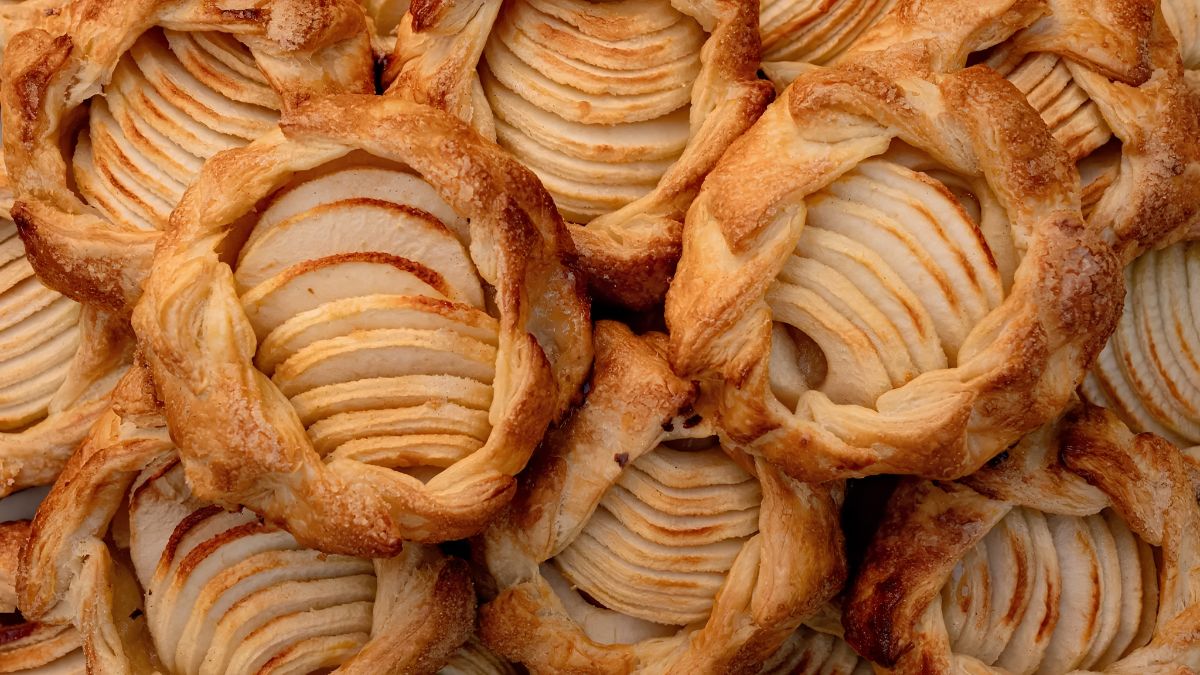
Traditional Mexican bakeries may offer a broad range of sweet breads and pastries, including conchas, cuernos, empanadas and other regional or bakery-specific products.
Names and recipes can vary. A pastry sold under one name at one bakery may have a different shape, filling or preparation method somewhere else.
That variation is worth remembering when exploring local bakeries. There is rarely one definitive version of every traditional product.
For first-time visitors, choosing a small selection can be a useful approach. Try something familiar alongside a pastry you have never had before. If you are unsure what to choose, ask the person behind the counter for a recommendation.
Ingredients
Ingredients provide another connection between baking traditions and local businesses.
Flour, sugar, eggs, butter, shortening, cinnamon, chocolate, fruit and other ingredients can be combined in different ways to create a large variety of products.
Some recipes depend on specific ingredients or preparation techniques that give the finished product its texture and flavor.
The difference can be subtle. Two pastries may contain similar ingredients but taste quite different because of the dough, baking time or filling.
For customers, asking about ingredients can also be important when dealing with allergies or dietary restrictions. Not every bakery can accommodate every dietary need, so it is better to ask before purchasing.
Families
Family involvement is common in many independent food businesses, although each bakery has its own story.
A family bakery may involve several generations in different roles. One person may handle baking while another manages the counter, purchasing, bookkeeping or customer service.
This can make the business feel less like a conventional retail operation and more like a shared family project.
It can also create continuity. Recipes and techniques can be taught informally from one generation to the next, preserving knowledge that might otherwise disappear.
At the same time, family businesses have to adapt to changing economic conditions. Rising ingredient costs, rent, labor expenses and changing customer habits can influence what a bakery produces and how it operates.
Tradition, therefore, does not mean standing still.
Community
San Ysidro is a community with a strong relationship to the international border, and local businesses operate within that environment.
Bakeries can serve residents as well as people traveling through the area. Some customers may visit for a morning pastry, while others may be purchasing larger quantities for family gatherings or celebrations.
This range of customers can shape a bakery’s products and schedule.
Community connections can also extend beyond sales. Local food businesses may participate in neighborhood events, support nearby organizations or work with other small businesses.
Not every bakery will have the same role, but collectively these businesses contribute to the everyday commercial life of the neighborhood.
The City of San Diego’s official San Ysidro community profile provides useful background on the area’s population, development and community setting.
Holidays
Food traditions often become more visible during holidays.
Mexican and Mexican-American families may prepare or purchase particular breads and sweets for celebrations, religious occasions and family gatherings.
The products available at a bakery can therefore change with the calendar. A pastry that is uncommon during much of the year may become more prominent around a particular holiday.
For visitors, seasonal displays can provide an opportunity to learn about the cultural context behind a product rather than simply viewing it as another dessert.
If you see an unfamiliar seasonal item, ask what occasion it is associated with. The answer may reveal something about the tradition as well as the food.
Customers
Regular customers help shape a bakery’s atmosphere.
A person who visits every morning may have a favorite pastry and a preferred time to stop by. Another customer may arrive once a week to buy bread for the household.
Over time, these repeated interactions can create familiarity between staff and customers.
For a first-time visitor, it is easy to focus only on what to buy. But watching how regular customers interact with the staff can provide a small glimpse into the bakery’s role in the neighborhood.
That does not mean every bakery has the same community atmosphere. Some are primarily quick-service businesses, while others encourage customers to stay and talk.
Both models can serve an important purpose.
Language
Language is another part of the experience.
Spanish and English are both common in San Ysidro, and visitors may encounter either language or a mixture of the two in local bakeries.
You do not need to speak Spanish to visit a bakery. However, knowing a few basic words can be useful when asking about products, quantities or ingredients.
The more important point is to communicate clearly. If you have an allergy or specific dietary concern, make sure the staff understands exactly what you need to know before making a purchase.
For visitors interested in the community’s culture, the bilingual environment can also be part of the experience.
Business
Running a bakery involves much more than preparing pastries.
Owners must manage ingredient costs, equipment, staffing, food safety, rent, utilities, inventory and daily sales. Products need to be prepared in quantities that meet customer demand without creating excessive waste.
That balance can be difficult.
A bakery may begin preparing products before the doors open, while customers are still at home or commuting to work. By the time the first customers arrive, much of the day’s work may already be complete.
This behind-the-scenes effort is easy to overlook when buying a pastry for a few dollars.
Independent bakeries operate on relatively small margins compared with large food manufacturers, making efficient daily operations particularly important.
History
San Ysidro’s history is closely connected to its position at the southern edge of San Diego.
The community’s proximity to Tijuana has influenced migration, commerce, transportation and cultural exchange. Food businesses naturally reflect those connections.
The San Diego History Center and official city resources offer starting points for people interested in researching the broader history of San Diego and its communities.
Understanding this background can make a bakery visit more meaningful. A traditional pastry is not simply a product on a shelf. It can represent a culinary practice that traveled across regions and generations before becoming part of a local business.
Experience
A visit to a San Ysidro bakery does not need to become a formal cultural tour.
Choose a bakery, look through the selection, ask about something unfamiliar and try a product you have not tasted before.
If the bakery has seating, you can take time to enjoy it. If it is primarily a takeout business, consider taking your purchase elsewhere to enjoy while exploring the neighborhood.
The important part is to approach the experience with curiosity.
Food can provide information about a community in a way that statistics and maps cannot. You can see what people buy, what products return seasonally and how customers interact with local businesses.
Support
Buying from an independent bakery also supports a local business.
The impact of an individual purchase should not be overstated, but regular customers provide the revenue that allows small businesses to continue operating.
Customers can support bakeries in practical ways. They can return regularly, recommend a business to friends, leave accurate reviews and purchase directly when possible.
At the same time, customers should judge businesses on their own needs. Supporting local businesses does not require ignoring price, quality or dietary considerations.
The most useful relationship is one where the business provides a product or service that customers value and customers choose to return.
Visiting
First-time visitors can make a bakery trip easier with a few simple steps.
Check opening hours before going, particularly if you are visiting early in the morning or on a holiday. Ask about unfamiliar products rather than guessing. If you have allergies, confirm ingredients before eating anything.
Bring a suitable payment method and consider whether you want a small selection or enough food for a group.
If you are visiting San Ysidro as part of a larger trip, remember that traffic and border conditions can affect your schedule.
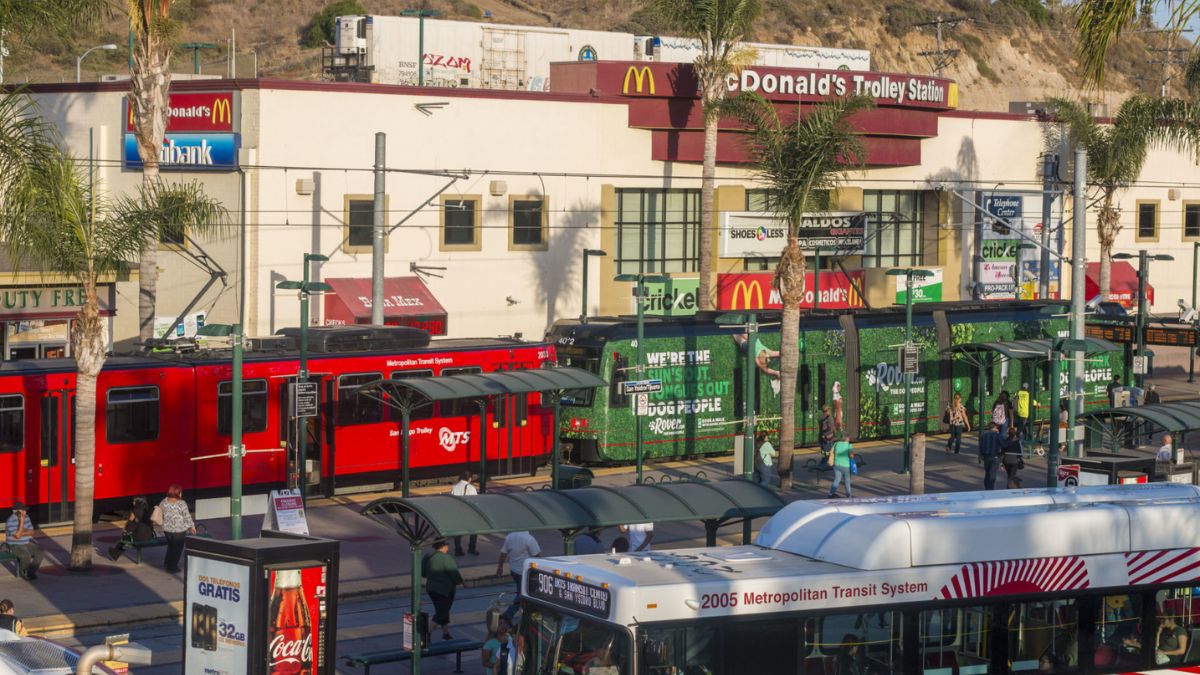
The San Diego Metropolitan Transit System provides public transportation information through its official website, which can be useful for visitors traveling to and around the area without a car.
Perspective
San Ysidro’s bakeries offer a useful example of how local food businesses can preserve traditions while adapting to contemporary customers.
Behind a display of pastries are bakers, owners, employees and regular customers who collectively give a neighborhood business its character. Recipes may come from previous generations, but the business itself must continue responding to changing prices, tastes and circumstances.
For visitors, the best way to understand that connection is to look beyond the pastry itself. Ask where it comes from, learn what a seasonal product represents and pay attention to the people who keep the bakery operating.
A bakery visit can be a small part of a day in San Ysidro, but it can also provide a direct connection to the community’s food traditions. The recipes, people and daily routines behind the counter help explain why independent bakeries remain a meaningful part of local life.
FAQs
What can I find at San Ysidro bakeries?
Many offer sweet breads, pastries and traditional baked goods.
What is pan dulce?
Pan dulce is a broad category of traditional Mexican sweet breads.
Can I ask about bakery ingredients?
Yes, ask staff about ingredients, especially for allergies.
Are San Ysidro bakeries family-run?
Some are family businesses, while others have different ownership.
Why are bakeries important locally?
They connect food traditions with everyday community life.