San Ysidro has a range of community spaces where residents can find recreational activities, educational opportunities, cultural programs, and neighborhood services. These places can be useful whether you are looking for something for children, a fitness activity, a public meeting, or simply a place to spend time close to home.
The key is knowing where to look. Community programs can change by season, age group, funding, and availability, so checking the official schedule before visiting is often the best approach. From neighborhood recreation facilities to libraries and public spaces, San Ysidro offers several starting points for finding local activities.
Recreation
San Ysidro Recreation Center is one of the most practical places to begin when looking for community activities. City recreation centers generally serve different age groups and may offer sports, classes, youth activities, special events, and other programs depending on the current schedule.
For families, recreation centers can be especially useful because activities are often organized around school-age children and young people. Adults can also find opportunities to participate in fitness, recreation, or community events.
The City of San Diego’s San Ysidro community profile is a useful official starting point for understanding the neighborhood and its public resources.
Because programming changes, residents should check the City’s current recreation information rather than relying on an old flyer or social media post.
Libraries
A public library can be much more than a place to borrow books. It can also function as a community meeting point, learning center, and source of free activities.
The San Ysidro Branch Library provides access to books, digital resources, computers, and community-oriented programming. Depending on the schedule, residents may find activities related to reading, children, technology, education, or local interests.
Libraries can be particularly valuable for people looking for low-cost activities. Many public programs are free, although some may require registration.
Before making a trip, check the San Diego Public Library website for current hours, events, services, and program information.
Parks
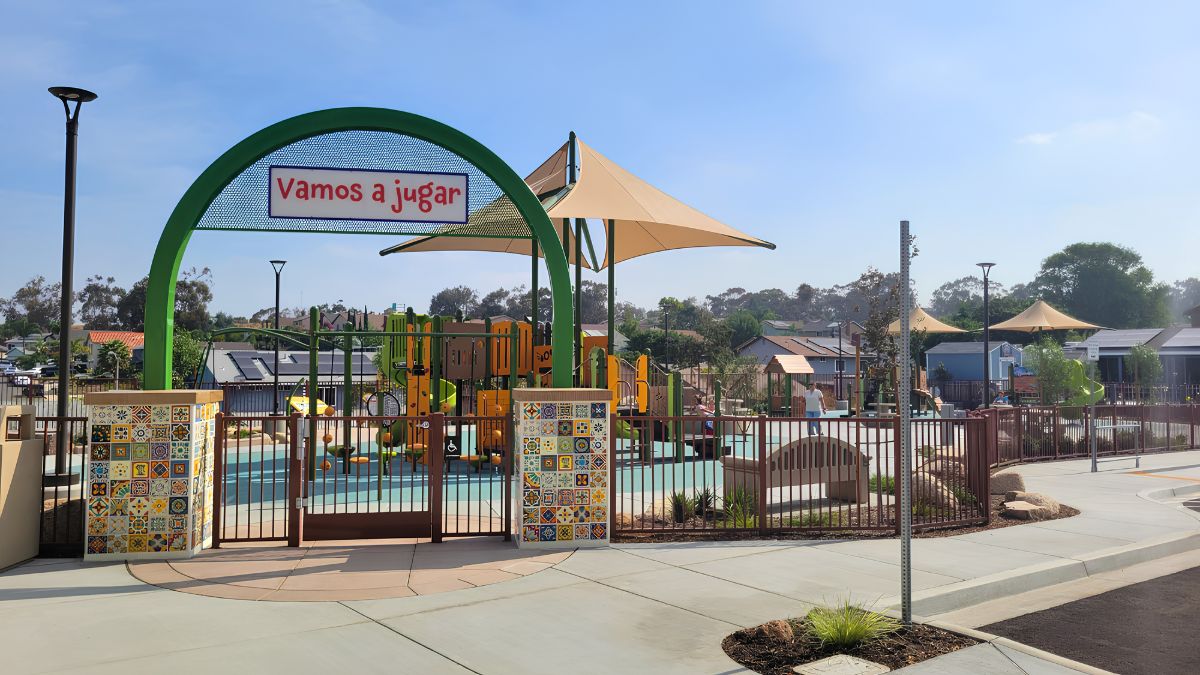
Parks provide another straightforward way to find community activities without necessarily joining a formal program. They give residents places for walking, playing, exercising, meeting friends, or spending time outdoors.
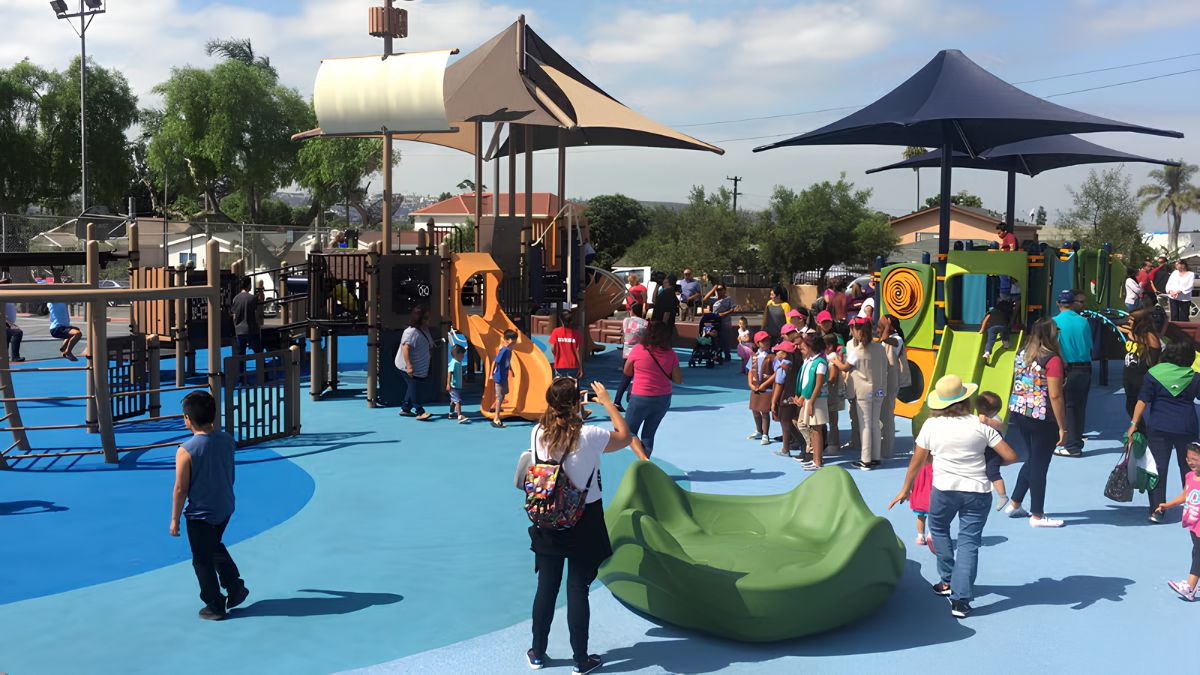
In San Ysidro, neighborhood parks can serve different purposes. Some are designed around playgrounds and family recreation, while others provide sports facilities, open areas, or spaces for informal gatherings.
Parks are also important because not every community activity needs to be organized as a class. A basketball court, playground, walking area, or open field can become a regular part of someone’s routine.
The city’s parks and recreation information can help residents identify facilities, amenities, and current rules before planning an activity.
Families
Families often need programs that fit around school and work schedules. Community facilities can help by providing activities for different age groups in familiar neighborhood settings.
Parents looking for programs should pay attention to age requirements, registration deadlines, fees, and whether an activity requires an adult to remain on site. These details can differ considerably from one program to another.
Youth sports, arts activities, recreational classes, seasonal events, and supervised programs may all be available at different times of the year. However, availability should always be confirmed through the organization running the program.
For families new to the area, starting with the City’s recreation listings can be easier than searching through unrelated websites.
Youth
Young people can benefit from community spaces in several ways. Recreation facilities and libraries can provide structured activities while parks offer opportunities for informal recreation.
For teenagers, the most useful programs may not always be the ones designed specifically as youth classes. Public libraries, sports facilities, community events, volunteer opportunities, and educational programs can all provide ways to become more involved locally.
Parents and guardians should check program descriptions carefully. Some activities are divided by age, while others are intended for families or mixed-age groups.
A good community program does not necessarily have to be expensive or elaborate. A regular activity that gives young people a safe place to learn, exercise, or socialize can be valuable.
Culture
San Ysidro’s location and history give cultural activities an important place in community life. Residents may encounter events connected with local history, arts, neighborhood traditions, and the area’s relationship with the U.S.-Mexico border.
Cultural programs can appear in several forms. A library event, public exhibition, neighborhood gathering, historical program, or local arts activity can all provide a different perspective on the community.
The San Diego History Center is another useful official resource for people interested in San Diego’s broader history and heritage.
Looking beyond major festivals can also be worthwhile. Smaller programs often provide more direct opportunities to learn about the people, places, and stories that have shaped the neighborhood.
Seniors
Older residents may have different priorities when choosing community programs. Fitness, social activities, educational sessions, arts programs, and opportunities to meet other residents can all play a role.
When searching for senior-oriented activities, it is important to check whether a program is specifically designed for older adults or simply open to all ages. Transportation, accessibility, timing, and registration requirements can also influence whether a program is practical.
Community spaces can help reduce isolation by giving residents regular opportunities to interact with others. Even a simple weekly class or gathering can become an important part of a person’s routine.
Sports
Sports are among the most visible forms of community recreation. Parks and recreation facilities can provide spaces for basketball, soccer, walking, fitness, and other activities.
Some sports activities are informal, while others require registration or organized teams. Parents looking for youth sports should check whether equipment is supplied, what age groups are accepted, and whether there are participation costs.
Adults may also find recreational options that are less competitive. Walking groups, fitness activities, and casual sports can make community facilities useful for people who simply want to stay active.
Events
Special events can bring different parts of the community together. These may include seasonal celebrations, neighborhood activities, cultural programs, workshops, or public gatherings.
However, event schedules can change because of weather, facility availability, holidays, or other circumstances. Residents should therefore verify the date and location through an official source before attending.
It is also worth checking whether an event requires registration. Free does not always mean walk-in, and some popular programs may have limited capacity.
Access
Finding a program is only part of the process. Residents also need to consider whether they can conveniently reach the location.
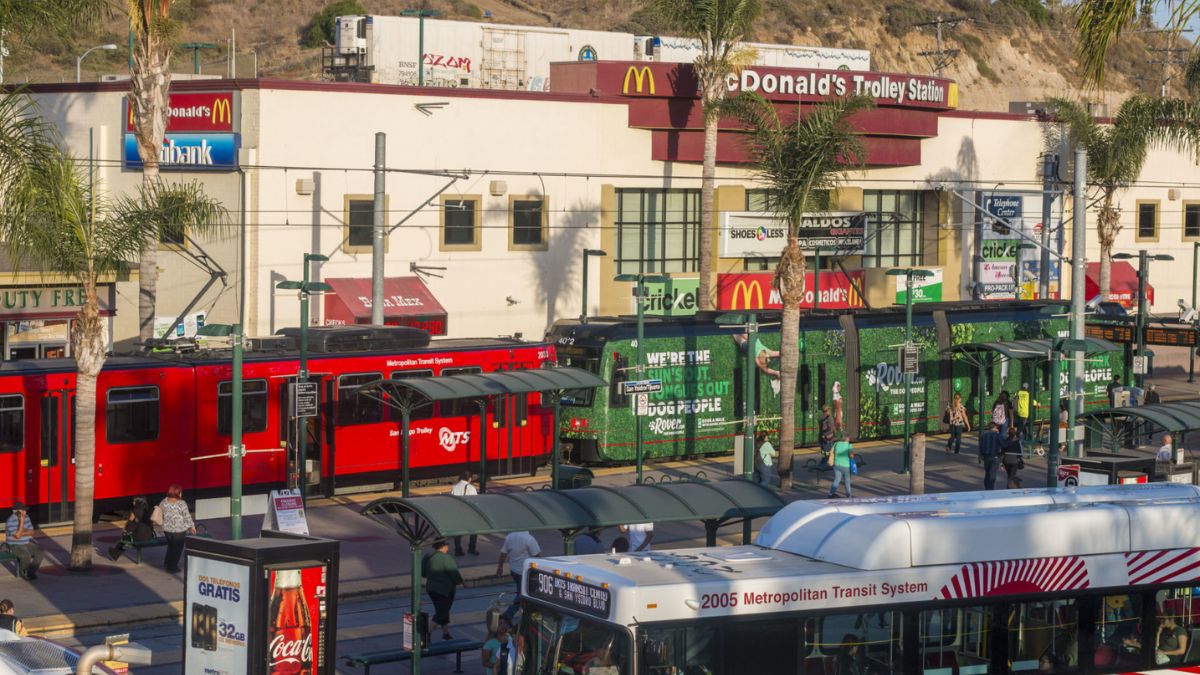
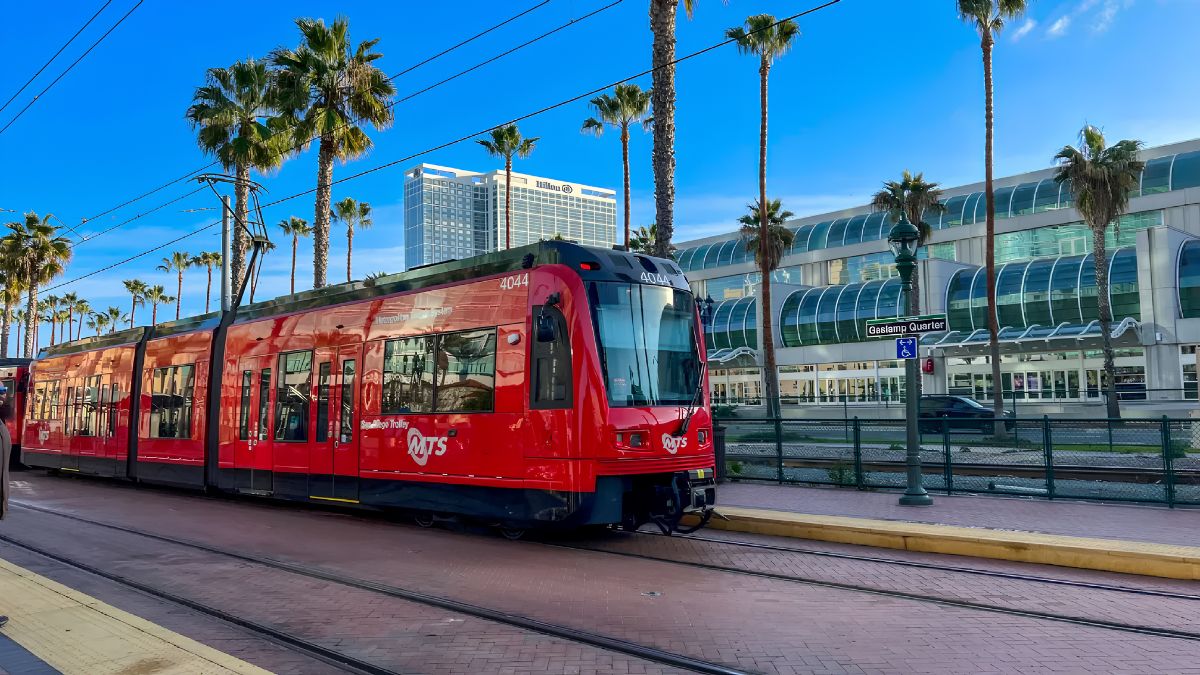
Public transportation can be useful for people who do not drive. The San Diego Metropolitan Transit System provides official information about routes, schedules, fares, and service changes throughout the San Diego region.
When planning a community activity, check the full trip rather than just the destination. A program that looks nearby may still require a transfer or a longer walk, while another activity may be easier to reach by transit.
Accessibility should also be considered. People with mobility needs can contact the relevant facility ahead of time to ask about entrances, restrooms, parking, and other accommodations.
Programs
One of the easiest mistakes is assuming that a community program will be available indefinitely. Recreation schedules often operate in seasons, while library events and special programs may have individual dates.
A simple search process can help:
- Identify the type of activity you want.
- Check the relevant city or public facility website.
- Confirm the age group and eligibility requirements.
- Review the date, time, location, and cost.
- Check whether registration is required.
- Confirm the schedule shortly before attending.
This approach can save time and prevent disappointment, particularly when looking for programs during holidays or school breaks.
Neighbors
Community spaces work best when residents use them regularly. A person who visits a park for exercise may eventually learn about a local event from another resident. Someone attending a library program may discover another class that fits their interests.
That informal exchange is part of what makes neighborhood facilities useful. The official schedule provides the structure, while residents provide the connections.
For people new to San Ysidro, attending one recurring activity can be an easy way to become familiar with the neighborhood without making a major commitment.
Resources
Residents do not need to search dozens of websites to get started. City, library, parks, and transit agencies provide reliable information about many public services.
The City of San Diego is generally the first place to check for municipal recreation facilities and neighborhood information. The public library provides a separate source for educational and cultural programming, while MTS can help with transportation planning.
When using third-party event websites or social media pages, compare the information with an official source. A listing can remain online even after an event has been changed or canceled.
Planning
The best community activity is usually one that fits naturally into everyday life. A nearby park may be more useful than a program across town. A free library event may be more practical than a paid class that requires a complicated commute.
It also helps to start small. Choose one activity, confirm the details, and see how it fits into your schedule. If it works, explore other programs offered at the same facility.
San Ysidro’s community spaces provide several ways to stay active, learn, meet neighbors, and take part in local life. Recreation centers, libraries, parks, cultural resources, and public transportation each serve a different purpose, but together they create a useful network for residents. Checking official schedules and planning around accessibility, transportation, cost, and age requirements can make it much easier to find programs that genuinely fit your needs.
FAQs
Where can I find San Ysidro activities?
Check City recreation, library, and park listings.
Are community programs free?
Some are free, while others may charge a fee.
Can children join local programs?
Yes, many programs are designed for different age groups.
Where can I check event schedules?
Use official City, library, and facility websites.
Can I reach activities by transit?
MTS provides routes and schedules for local travel.